Introduction
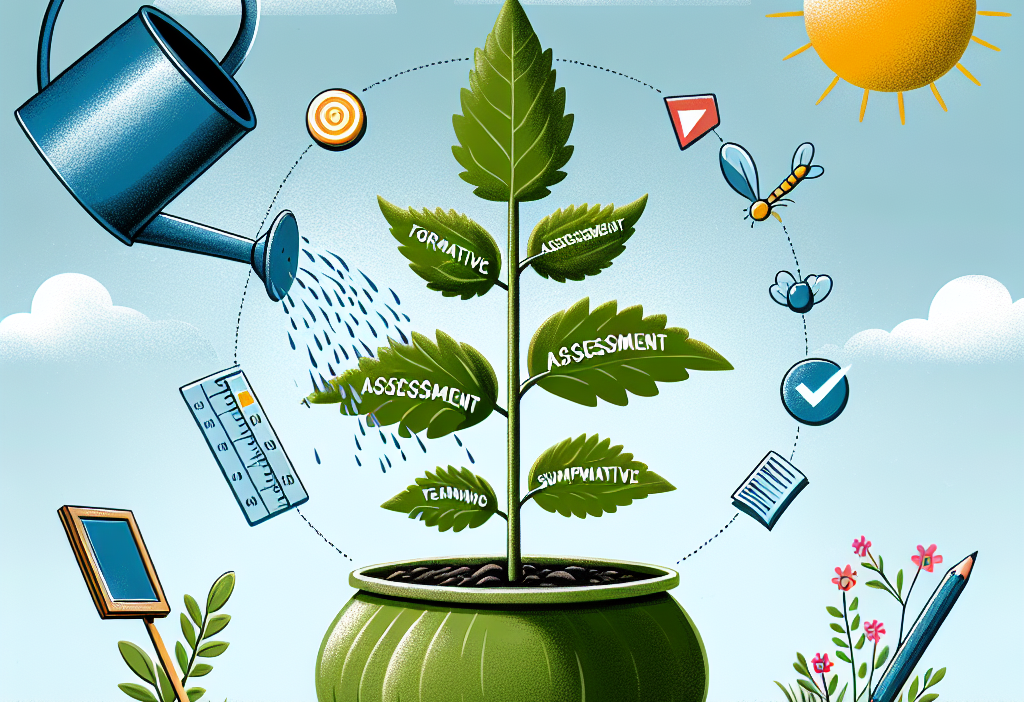
In the ever-evolving landscape of education, the role of assessment has emerged as a pivotal force in shaping learning experiences. The Power of Assessment: Techniques to Transform Learning with Formative and Summative Approaches is not just a catchy phrase; it encapsulates the essence of how effective assessment can revolutionize the way we teach and learn.
Imagine a classroom where every student feels empowered, engaged, and motivated to learn. This vision is achievable through the strategic implementation of both formative and summative assessments. In this article, we will delve deep into the significance of these assessment types, explore various techniques, and provide actionable insights to transform learning environments.
Why Assessment Matters
Assessment is more than just a tool for measuring knowledge; it is a powerful mechanism for fostering growth, guiding instruction, and enhancing student engagement. By understanding the nuances of formative and summative assessments, educators can create a more dynamic and responsive learning environment.
Understanding Formative and Summative Assessments
What is Formative Assessment?
Formative assessment refers to a range of informal and formal assessments conducted during the learning process. Its primary goal is to monitor student learning and provide ongoing feedback that can be used by instructors to improve their teaching and by students to enhance their learning.
Key Characteristics of Formative Assessment
- Ongoing Process: Conducted throughout the learning experience.
- Feedback-Oriented: Focuses on providing constructive feedback.
- Student-Centered: Encourages self-assessment and reflection.
- Adaptable: Allows for instructional adjustments based on student needs.
What is Summative Assessment?
In contrast, summative assessment is conducted at the end of an instructional unit to evaluate student learning against a standard or benchmark. It is often used for assigning grades and measuring the effectiveness of educational programs.
Key Characteristics of Summative Assessment
- Cumulative: Assesses knowledge at the end of a learning period.
- Standardized: Often follows a set format or criteria.
- Outcome-Focused: Measures what students have learned.
- Less Frequent: Typically occurs at the conclusion of a unit or course.
The Synergy of Formative and Summative Assessments
While formative and summative assessments serve different purposes, they are not mutually exclusive. In fact, their integration can create a more holistic approach to education.
How They Complement Each Other
- Informed Instruction: Formative assessments provide real-time data that can inform instructional strategies, while summative assessments evaluate the effectiveness of those strategies.
- Student Engagement: Formative assessments encourage active participation, making students more invested in their learning, which can lead to better performance in summative assessments.
- Continuous Improvement: The feedback loop created by formative assessments can lead to improved outcomes in summative assessments, fostering a culture of continuous improvement.
Techniques for Effective Formative Assessment
1. Exit Tickets
What They Are: Quick assessments at the end of a lesson where students answer a question or summarize what they learned.
Benefits: Provides immediate feedback to the teacher and encourages students to reflect on their learning.
2. Peer Assessment
What It Is: Students evaluate each other’s work based on set criteria.
Benefits: Encourages collaboration, critical thinking, and self-reflection.
3. Think-Pair-Share
What It Is: A collaborative learning strategy where students think about a question, discuss it with a partner, and then share with the larger group.
Benefits: Promotes engagement and allows students to articulate their understanding.
4. Digital Tools
What They Are: Platforms like Kahoot, Google Forms, or Quizlet that facilitate interactive assessments.
Benefits: Engages tech-savvy students and provides instant feedback.
5. Observations
What They Are: Teachers observe students during activities to assess understanding and engagement.
Benefits: Offers qualitative insights into student learning.
Techniques for Effective Summative Assessment
1. Traditional Tests and Quizzes
What They Are: Standardized assessments that measure knowledge retention.
Benefits: Provides a clear metric for evaluating student performance.
2. Projects and Presentations
What They Are: Assignments that require students to demonstrate their understanding through creative means.
Benefits: Encourages deeper learning and application of knowledge.
3. Portfolios
What They Are: Collections of student work that showcase learning over time.
Benefits: Allows for comprehensive assessment of student progress and skills.
4. Performance-Based Assessments
What They Are: Assessments that require students to perform tasks or demonstrate skills in real-world scenarios.
Benefits: Provides a practical measure of student understanding.
5. Standardized Tests
What They Are: Assessments administered and scored in a consistent manner across various populations.
Benefits: Offers comparative data across different educational settings.
Best Practices for Implementing Assessments
Aligning Assessments with Learning Objectives
To maximize the effectiveness of both formative and summative assessments, it is crucial to align them with clearly defined learning objectives. This ensures that assessments are relevant and meaningful.
Providing Timely Feedback
Feedback is most effective when it is timely. Educators should strive to provide feedback as soon as possible after assessments to reinforce learning and guide improvement.
Encouraging Self-Assessment
Empowering students to assess their own work fosters a sense of ownership over their learning. Techniques like reflective journals or self-checklists can facilitate this process.
Utilizing Data to Inform Instruction
Data collected from assessments should be analyzed and used to inform instructional practices. This data-driven approach can lead to more targeted and effective teaching strategies.
The Role of Technology in Assessment
Leveraging Digital Tools
In today’s digital age, technology plays a crucial role in enhancing assessment practices. Tools like learning management systems (LMS), online quizzes, and interactive platforms can streamline the assessment process and provide valuable insights.
Benefits of Technology in Assessment
- Efficiency: Automates grading and feedback processes.
- Engagement: Interactive tools can increase student motivation.
- Accessibility: Provides diverse assessment formats to cater to different learning styles.
Conclusion
The power of assessment cannot be overstated. By effectively utilizing both formative and summative approaches, educators can transform learning experiences, foster student engagement, and drive academic success.
As you embark on your journey to enhance your assessment practices, remember that the ultimate goal is to create a supportive and dynamic learning environment. Embrace the techniques discussed in this article, and watch as your students thrive.
Motivational Insight
"Assessment is not just about measuring knowledge; it’s about unlocking potential." Let this be your guiding principle as you harness the power of assessment to transform learning.
FAQs
1. What is the main difference between formative and summative assessment?
Answer: Formative assessment is ongoing and focuses on providing feedback during the learning process, while summative assessment evaluates student learning at the end of an instructional unit.
2. How can I effectively implement formative assessments in my classroom?
Answer: Use techniques like exit tickets, peer assessments, and digital tools to gather real-time feedback and adjust your teaching accordingly.
3. Are standardized tests considered summative assessments?
Answer: Yes, standardized tests are a type of summative assessment that measures student learning against a consistent set of criteria.
4. How can technology enhance assessment practices?
Answer: Technology can streamline grading, provide interactive assessment formats, and offer immediate feedback, making the assessment process more efficient and engaging.
5. Why is feedback important in the assessment process?
Answer: Feedback helps students understand their strengths and areas for improvement, guiding their learning and fostering a growth mindset.
By understanding and implementing The Power of Assessment: Techniques to Transform Learning with Formative and Summative Approaches, educators can create a more effective and engaging learning environment. Embrace these strategies, and watch your students flourish!