Introduction
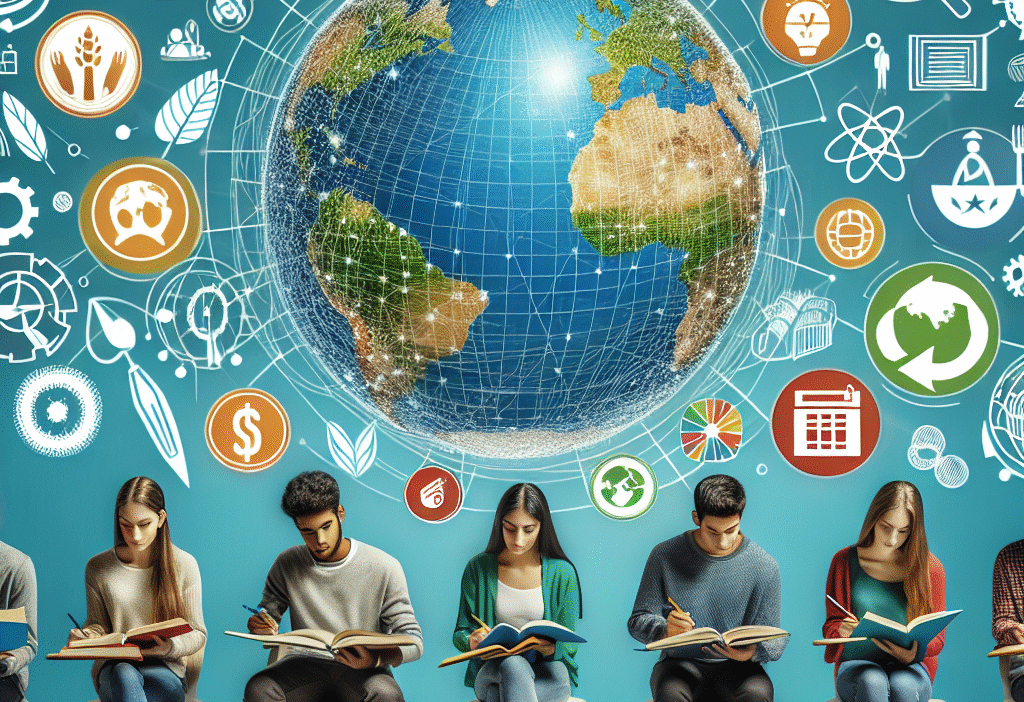
Imagine a world where every child, regardless of their background, has access to quality education. 🌍 This vision is not just a dream—it is a fundamental objective of the Sustainable Development Goals (SDGs) put forth by the United Nations. With a total of 17 interconnected goals, they are crucial in tackling global challenges, and Goal 4 specifically focuses on ensuring inclusive and equitable education for all.
In this comprehensive article, we will explore the Sustainable Development Goals: Paving the Way for Equitable Education Worldwide. We will delve into the importance of equitable education, identify the barriers to achieving it, and evaluate successful initiatives that embody these principles. As we navigate through this journey, you’ll gain insightful knowledge and actionable strategies to contribute to this essential cause.
Understanding the Sustainable Development Goals
What Are the Sustainable Development Goals?
The Sustainable Development Goals (SDGs) are a universal call to action initiated in 2015 by all United Nations Member States. They aim to address global issues such as poverty, inequality, climate change, environmental degradation, and peace and justice. The 17 SDGs set a clear framework for a sustainable future, with education being a key pillar in achieving other developmental objectives.
The Importance of Goal 4: Quality Education
Goal 4 of the SDGs is centered around ensuring inclusive, equitable, and quality education for all and promoting lifelong learning opportunities. Why is this goal so vital? Education serves as a catalyst for various socio-economic improvements:
- Economic Growth: Higher education levels correlate with increased economic productivity.
- Health Benefits: Educated populations tend to have better health outcomes.
- Gender Equality: Education empowers women and girls, leading to broader societal benefits.
- Social Cohesion: Education fosters understanding and tolerance among diverse groups.
By tackling these areas, Goal 4 can lead to transformative societal change.
Barriers to Equitable Education
Despite the noble vision behind the Sustainable Development Goals, numerous barriers hinder the path to equitable education worldwide. Recognizing these challenges is essential to addressing them effectively.
Economic Barriers 💰
Many families in low-income regions struggle to afford basic education costs—tuition, supplies, and transportation. Consequently, millions of children remain out of school.
Geographic Barriers 🗺️
In rural and remote areas, educational infrastructure is often lacking. Limited access to schools means children must travel great distances, often dissuading families from sending them.
Cultural Barriers
Cultural norms and traditions may prevent certain groups, particularly girls and ethnic minorities, from accessing educational opportunities.
Political Barriers
Conflicts and political instability can disrupt education systems, leading to prolonged school closures and destruction of educational facilities.
The Path to Achieving Equitable Education
Steps to Foster Inclusivity in Education
Achieving Sustainable Development Goals: Paving the Way for Equitable Education Worldwide requires strategic interventions. Here are several actionable steps:
Policy Reforms
- Implement educational policies aimed at providing free accessible schooling for all.
- Foster partnerships between governments and NGOs to drive educational initiatives.
Community Engagement 🏘️
- Involve local communities in decision-making processes regarding educational needs.
- Cultivate support for girls’ education through awareness campaigns targeting cultural biases.
- Technology Utilization 💻
- Integrate technology in classrooms to enhance learning experiences and access.
- Use mobile education platforms to reach remote learners.
Success Stories and Initiatives
Global Education Initiatives
Numerous programs worldwide exemplify efforts to meet the SDGs. These initiatives show how educational equity can be achieved.
1. The Global Partnership for Education (GPE)
The GPE is an alliance of international organizations, donor countries, and civil society groups aimed at ensuring that every child receives quality education. Through funding and strategic partnerships, GPE supports countries in developing robust education systems.
2. Local Innovations: The Educate Girls Program in India
The Educate Girls program focuses on improving enrollments and learning outcomes for girls in rural India. Their community-centric approach has led to significant increases in enrollment rates and educational performance.
The Role of Technology in Education
E-Learning Platforms and Their Influence
The rise of e-learning platforms has revolutionized the education landscape. From Zoom classes to platforms like Khan Academy, digital learning offers unprecedented access to quality education.
- Flexibility: Students can learn at their own pace, making education more accommodating.
- Global Reach: Students from all corners of the world can access high-quality educational resources.
Examples of Innovative EdTech
- Khan Academy: Provides free educational resources across various subjects, effectively democratizing access to high-quality learning materials.
- Google Classroom: Facilitates better communication among educators and students, providing an organized digital learning experience.
The Importance of Gender Equality in Education
Why Gender Matters?
Equitable education includes promoting gender equality. Educated women are more likely to be economically empowered, which benefits families and communities.
Empowering Girls Through Education
- Increased Income: Women with education tend to earn significantly higher incomes.
- Lower Child Mortality Rates: Educated mothers are more informed about health practices, leading to lower mortality in children.
Programs Making A Difference
- Girl Up: An initiative aimed at empowering young girls through educational programs, advocacy, and support networks.
- Room to Read: Focuses on literacy and gender equality in education by providing resources for girls to stay in school.
Collaboration and Partnerships
The Importance of Multilateral Efforts
Achieving Sustainable Development Goals: Paving the Way for Equitable Education Worldwide requires collaboration between governments, NGOs, and the private sector.
- Shared Resources: Pooling expertise and resources can lead to more effective education programs.
- Knowledge Sharing: Countries can learn from each other’s experiences, adapting successful strategies to local contexts.
Notable Partnerships
- UNESCO: Leads various global education initiatives, advocating for education as a human right.
- World Bank: Invests heavily in educational programs that promise significant social and economic returns.
Monitoring and Evaluation
The Role of Data in Achieving Goals
Data is critical to understanding educational performance and the impacts of various initiatives.
- Indicators: Establishing specific metrics to measure progress toward achieving Goal 4.
- Transparency: Regularly publishing data can foster accountability among stakeholders.
Examples of Effective Monitoring Tools
- UNESCO Institute for Statistics: Provides valuable data on global education statistics, helping to guide policy decisions.
- Annual Global Education Monitoring Report: Evaluates progress toward the education targets of the Sustainable Development Goals.
Conclusion
As we’ve explored, the Sustainable Development Goals: Paving the Way for Equitable Education Worldwide is not just an aspiration; it’s an achievable reality. By addressing barriers such as socio-economic status, engaging communities, leveraging technology, and promoting gender equality, we can make strides toward inclusive education.
The future of education is in our hands. 🌟 Each of us can contribute in some way—whether through advocacy, volunteering, or supporting education-focused initiatives. Education is the key to unlocking a better world for everyone. Let’s take action today!
FAQs
1. What are the Sustainable Development Goals?
The Sustainable Development Goals (SDGs) are a set of 17 universal goals established by the UN to tackle pressing global issues, including education, poverty, and climate change.
2. Why is equitable education important?
Equitable education ensures that all individuals, regardless of background, have the opportunity to gain knowledge and skills, leading to socio-economic improvements and a more inclusive society.
3. How can I support equitable education initiatives?
You can support equitable education by donating to educational nonprofits, volunteering your time, advocating for educational policy change, and spreading awareness about educational disparities.
4. What role does technology play in education?
Technology enhances access to educational resources, creates flexible learning opportunities, and fosters innovative teaching methods that benefit learners globally.
5. What progress has been made toward achieving Goal 4?
While significant strides have been made, many challenges remain, including disparities based on geography, income, and gender. Continuous efforts are needed to meet the targets outlined in Goal 4.
In crafting this comprehensive guide on the Sustainable Development Goals: Paving the Way for Equitable Education Worldwide, we’ve cultivated a deeper understanding of the interconnectedness of education and global development. By working together, we can create an equitable future for all. 📚✨