Introduction
In the landscape of global education, the Indian Institutes of Technology (IITs) stand as beacons of excellence. With their rich legacy and cutting-edge research, they are pivotal in revolutionizing education in India. This article will delve into how IITs are transforming the technology sector, not just locally but globally, shaping future leaders and innovators of tomorrow. 🌍
We will explore the innovative educational methodologies employed by IITs, their significant contributions to research and development, industry partnerships, and the impact of their graduates on India’s technological landscape. Whether you’re a student, educator, or professional, this comprehensive examination will provide valuable insights into the dynamic role of IITs in shaping technology education in India.
The Legacy of IITs: A Historical Perspective
The Birth of IITs
Founded in 1951, the IITs were established to provide world-class education in engineering and technology. The vision was clear: to propel India into a new era of industrialization and technology advancements. With their rigorous admission processes, the IITs have maintained a reputation for excellence, attracting the brightest minds from across the nation.
Milestones in IIT History
Over the decades, IITs have expanded, with 23 institutes now operating across India. Some notable milestones include:
- 1972: Establishment of the IIT Council for standardization and policy development.
- 2008: Introduction of the IIT Act, enhancing the autonomy of IITs.
- 2016: Launch of various online courses and digital initiatives.
Through these milestones, IITs have continuously evolved, adapting to the changing demands of technology and education.
Unique Educational Methodologies
Hands-On Learning Experiences
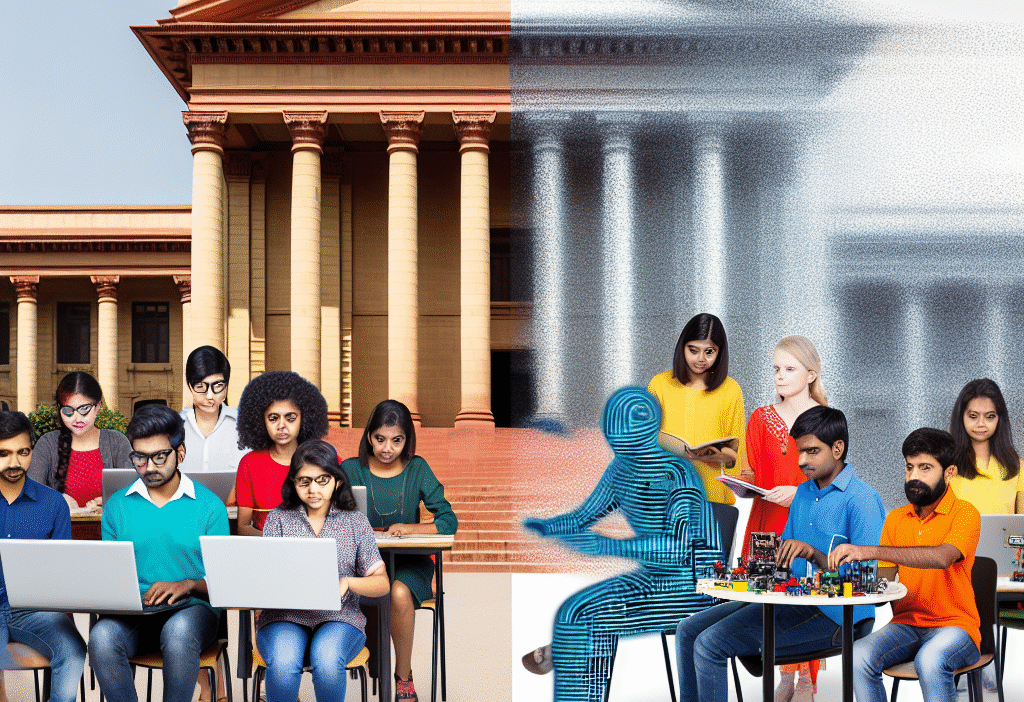
IITs prioritize a practical approach to education. Students are encouraged to participate in cutting-edge research from the moment they step onto campus. This experiential learning includes:
- Lab Work: Students engage in hands-on experiments in state-of-the-art laboratories, fortifying theoretical knowledge.
- Industry Internships: Collaborations with leading tech firms allow students to gain real-world experience, enhancing their employability.
Interdisciplinary Approach
The curriculum at IITs emphasizes a holistic understanding of technology. By merging fields such as computer science, electronics, and mechanical engineering, students are equipped to tackle multifaceted technological challenges.
Research and Innovation Ecosystem
The emphasis on R&D at IITs fosters a culture of innovation. Through various centers of excellence, students and faculty engage in pioneering research projects that contribute to significant technological advancements.
Data Table: Key Areas of Research at IITs
| Research Area | Notable Projects |
|---|---|
| Artificial Intelligence | AI-driven healthcare diagnostics |
| Renewable Energy Systems | Solar energy harvesting systems |
| Robotics | Autonomous robots for industrial applications |
Industry Partnerships: Bridging Academia and Industry
IITs understand the importance of collaboration with industries to stay at the forefront of technology. These partnerships foster knowledge transfer, leading to innovations that address real-world problems.
Partnerships Leading to Blockchain Innovations
A prime example is the collaboration between IIT Bombay and leading technology firms in developing applications of blockchain technology. This partnership not only enhances learning opportunities but also contributes significantly to India’s growing tech ecosystem.
Start-up Incubation Centers
IITs have also established incubation centers to support entrepreneurial ventures initiated by students and alumni. With mentorship programs and funding opportunities, these centers are instrumental in launching successful start-ups.
Impact of IIT Graduates on the Tech Industry
Notable Alumni Transforming the Tech World
Graduates from IITs have made remarkable contributions across various sectors. Some notable alumni include:
- Sundar Pichai: CEO of Google, who has played a crucial role in advancing technology.
- Arvind Krishna: CEO of IBM, leading transformative changes in cloud computing and AI.
These leaders exemplify the potential of IIT education to shape future innovators who are changing the world.
Statistics Highlighting the Success of IIT Graduates
The employability rate of IIT graduates stands at an impressive 95%, underscoring the relevance of their education in today’s job market. Furthermore, many IIT alumni have founded successful companies, contributing substantially to India’s economy.
IITs and Global Technology Trends
Aligning with Global Standards
IITs strive to align their curricula with international standards. This ensures that students are not only well-prepared for the Indian job market but also for global challenges. By collaborating with renowned institutions worldwide, IITs incorporate best practices in teaching and research.
Embracing Digital Transformation
In response to the COVID-19 pandemic, IITs quickly adapted to online education. Leveraging technology, they have developed interactive e-learning platforms that enhance accessibility and learning engagement.
Challenges and Opportunities Ahead
Navigating the Evolving Technology Landscape
While IITs have made significant strides, they face several challenges. These include:
- Rapid Technological Changes: Keeping pace with the ever-evolving tech landscape requires constant curriculum updates.
- Accessibility: Ensuring education is accessible to all, regardless of socio-economic background.
Future Opportunities for Innovation
The future holds vast opportunities for IITs. By focusing on sustainable technology, data science, and artificial intelligence, IITs can lead the charge in shaping an innovative future for India and the world.
Conclusion
IITs have established themselves as a cornerstone of technological advancement in India. By revolutionizing education through innovative methodologies, industry collaborations, and a strong emphasis on research, they are shaping the future of technology.
As we look ahead, the continued evolution of IITs will play a pivotal role in addressing global challenges. Whether you are a prospective student or a professional in the tech industry, the insights gained from IITs are invaluable. Let’s embrace the future with optimism and a commitment to innovation! 🚀
FAQs
1. What are IITs?
IITs, or Indian Institutes of Technology, are autonomous public technical universities in India. They are known for their rigorous engineering and technology programs.
2. How are IITs different from other engineering colleges?
IITs have a highly selective admission process and focus on research-led teaching, providing students with unique hands-on learning experiences.
3. What roles do IITs play in the startup ecosystem?
IITs foster innovation through incubation centers that support student-led startups with mentorship and funding.
4. What is the employability rate of IIT graduates?
The employability rate for IIT graduates is approximately 95%, reflecting the high demand for their skill sets in the tech industry.
5. How can one apply to an IIT?
Admissions to IITs are primarily through the Joint Entrance Examination (JEE), a highly competitive exam for engineering aspirants in India.
By thoughtfully crafting this comprehensive piece, we have aimed to provide a detailed examination of how IITs are revolutionizing education and shaping the future of technology in India. Through the incorporation of student experiences, historical context, and future aspirations, this article aims to inform and inspire future technologists.