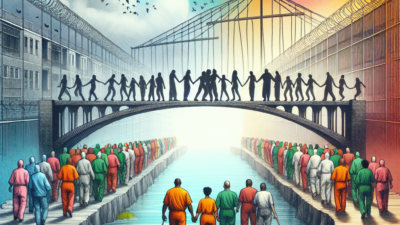
Rallying for Change: How Social Movements Shape the Landscape of Justice
Introduction
In an ever-evolving world, social movements act as the backbone of societal transformation. They embody the collective will for change, often standing against injustices that have persisted for decades. ✊ Rallying for Change: How Social Movements Shape the Landscape of Justice is not just a topic; it’s an imperative journey for understanding how grassroots actions can lead to monumental shifts in societal norms and policies.
From the Civil Rights Movement in the United States to the ongoing climate change battles globally, social movements have consistently played crucial roles in advocating for justice and equality. This article will explore the nuances of social movements, dissect their methodologies, and highlight success stories that illuminate their power in shaping justice landscapes. Prepare yourself for an insightful exploration that not only informs but also ignites your passion for advocacy and change.
The Foundations of Social Movements
What Are Social Movements?
Social movements are organized efforts by a group of people to promote or resist change in society. These movements leverage collective action to bring attention to specific issues, mobilize support, and enact institutional changes. Key characteristics include:
- Collective Action: People coming together for a common goal.
- Social Change: Aiming for reforms in policies, laws, or social norms.
- Sustained Efforts: Movements often span extended periods; they maintain momentum despite challenges.
Historical Context
To understand the depth of social movements, examining historical contexts is essential. For instance, the suffragette movement initiated in the late 19th century laid the groundwork for women’s rights, demonstrating how organized voices could ultimately alter the fabric of society.
| Movement | Year of Formation | Key Focus |
|---|---|---|
| Abolitionist Movement | 1830s | Ending slavery |
| Civil Rights Movement | 1950s-1960s | Racial equality |
| LGBTQ+ Rights Movement | 1960s-present | Gender and sexual equality |
| Climate Justice Movement | 2000s-present | Environmental protection |
How Social Movements Influence Justice
Mechanisms of Influence
Social movements wield their influence through various mechanisms, including:
- Awareness Raising: Elevating public consciousness around specific issues.
- Policy Advocacy: Lobbying governments to enact changes in legislation.
- Cultural Shift: Changing societal attitudes and norms through education and engagement.
Case Study: The Black Lives Matter Movement
Black Lives Matter (BLM) emerged as a crucial response to systemic racism and police brutality. Its decentralized structure allows for widespread mobilization, leading to significant discussions about race relations, police policies, and justice reform.
Steps Taken by BLM:
- Protests: Mass gatherings to draw attention.
- Digital Activism: Utilization of social media platforms to reach a broader audience.
- Policy Proposals: Advocating for legislative changes such as police reform.
The Role of Technology
In today’s digital age, technology plays a pivotal role in shaping social movements. Platforms like Twitter and Facebook have become essential tools for organizing and spreading messages quickly. The hashtag #MeToo serves as a prime example, highlighting sexual harassment and assault, significantly impacting cultural and legislative reforms.
Strategies Employed by Social Movements
Grassroots Mobilization
At the core of many successful social movements lies grassroots mobilization. This approach focuses on engaging community members and fostering local leaders to drive the cause forward.
Key Elements of Grassroots Mobilization:
- Community Engagement: Building rapport with local communities to understand their needs.
- Training: Educating volunteers on advocacy, organizing, and storytelling.
- Local Action: Encouraging localized events to foster a sense of ownership over the movement.
Coalition Building
Collaboration among various groups can amplify a movement’s voice and impact. By forming coalitions, social movements can unite disparate groups with shared goals, thereby enhancing their influence.
Benefits of Coalition Building:
- Resource Sharing: Pooling together resources such as funding, skills, and networks.
- Unified Messaging: Crafting a cohesive message that resonates across multiple demographics.
- Increased Visibility: Larger coalitions attract more media attention and public interest.
The Ladder of Engagement
Understanding how to effectively engage supporters is crucial for any social movement. The ladder of engagement illustrates the various levels of participation, from passive awareness to active advocacy.
| Engagement Level | Description |
|---|---|
| Awareness | Individuals recognize issues but do not engage. |
| Involvement | Individuals participate in low-risk activities (such as signing petitions). |
| Advocacy | Individuals actively campaign or mobilize others. |
| Leadership | Individuals take on leadership roles within the movement. |
Success Stories of Social Movements
The Civil Rights Movement in the U.S.
The Civil Rights Movement is a prime example of how relentless advocacy can reshape a nation. Key figures like Martin Luther King Jr. and Rosa Parks galvanized public opinion, leading to significant legislative changes such as the Civil Rights Act of 1964.
Factors Contributing to Success:
- Strategic Nonviolence: Utilizing peaceful protests to garner sympathy and support.
- Media Coverage: Dramatic events captured by news outlets fueled public outrage and support.
- Legal Challenges: Numerous court cases established precedents that upheld civil rights.
The LGBTQ+ Rights Movement
The fight for LGBTQ+ rights illustrates a compelling narrative of advocacy and resilience. From the Stonewall Riots in 1969 to the legalization of same-sex marriage in multiple countries, this movement showcases the power of sustained efforts.
Milestones Achieved:
- Decriminalization of Homosexuality: Various forms of legislation globally.
- Recognition of Same-Sex Marriage: Significant victories in countries around the world.
- Awareness and Acceptance: A marked change in societal views towards LGBTQ+ individuals.
Challenges Faced by Social Movements
Institutional Resistance
One of the greatest challenges social movements face is institutional resistance. Governments or organizations may actively oppose changes, viewing them as threats to the status quo. Understanding these dynamics requires strategic navigation and coalition-building.
Fragmentation and Division
Internally, social movements can struggle with fragmentation. Differing ideologies and approaches can dilute efforts, leading to conflicts that inhibit progress. It is vital for movements to maintain unity while respecting diverse perspectives within their ranks.
Burnout and Sustainability
Grassroots activism can lead to volunteer fatigue, particularly in long-term movements. Ensuring sustainability requires incorporating self-care practices and managing workloads effectively among activists.
The Future Landscape of Justice Through Social Movements
The Role of Youth in Activism
With rising global awareness, youth are increasingly pivotal in contemporary social movements. Their engagement through digital activism amplifies voices and pressures policymakers to take action. The Fridays for Future movement, initiated by young activist Greta Thunberg, is a prime example of youth-led advocacy transforming environmental conversations.
Leveraging Global Networks
Globalization allows local movements to connect with international allies, broadening their scope and impact. Issues like climate change, racial justice, and gender equity are increasingly recognized as global concerns, fostering collaborative efforts worldwide.
Conclusion
Rallying for Change: How Social Movements Shape the Landscape of Justice is not merely an academic exploration; it is an invitation to engage actively in advocacy. Social movements demonstrate that collective action can lead to tangible improvements in justice and equality. As we reflect on the past, it propels us into the future, showing that every voice counts, and every action matters.
Call to Action
Empower yourself and those around you by getting involved in social movements, supporting advocacy organizations, and becoming informed about pressing issues. Together, we can shape a more just world for future generations.
FAQs
1. What is a social movement?
A social movement is an organized effort to promote or resist change in society, often involving collective action and a shared vision among participants.
2. How can I get involved in social movements?
Start by identifying issues you’re passionate about, educating yourself, and seeking out local organizations that align with your interests. Volunteering and attending events is a great way to begin.
3. What are some successful examples of social movements?
Notable examples include the Civil Rights Movement, the LGBTQ+ Rights Movement, and more recently, the Black Lives Matter movement, all of which have significantly influenced societal change.
4. How do social movements use technology?
Social movements leverage technology for organizing, raising awareness, disseminating information, and mobilizing supporters through social media and other digital platforms.
5. What challenges do social movements face?
Challenges include institutional resistance, internal fragmentation, burnout among activists, and maintaining momentum over time.
This comprehensive exploration of social movements serves as a resource for understanding their impact on justice. To enhance your knowledge further, explore related topics on MyJRF. Together, we can harness the power of advocacy and strive toward positive change.