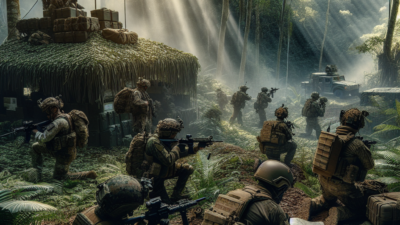
Peacekeepers in Action: How the UN Manages Global Conflicts
Introduction
In a world fraught with turmoil and conflict, the role of peacekeepers is more vital than ever. The United Nations (UN) peacekeeping forces operate as a beacon of hope, aiming to restore harmony and promote peace in regions afflicted by war and strife. From the war-torn countries in the Middle East to the fragile states in Africa, the UN peacekeeping missions strive to manage global conflicts through diplomacy, protection, and support.
This article delves deep into the strategies and actions employed by the UN peacekeepers, exploring their missions, successes, and challenges. We’ll uncover how these dedicated personnel work on the ground, how they engage with local communities, and the effectiveness of their interventions. By the end, you’ll gain a comprehensive understanding of peacekeepers in action and their indispensable role in fostering global stability.
The Evolution of UN Peacekeeping Missions
Historical Context
The UN was founded in 1945 with the primary goal of promoting peace and preventing conflict. The first peacekeeping mission was established in 1948 in the Middle East. These early operations focused on monitoring ceasefires and troop withdrawals. However, as conflicts evolved, so too did the mandates of peacekeepers.
Key Developments
- Cold War Era: During this period, peacekeeping was primarily reactive, focused on maintaining peace in highly militarized zones.
- Post-Cold War: The 1990s saw a shift towards more complex missions that required the UN to engage in humanitarian assistance and nation-building.
Mandates and Responsibilities
UN peacekeeping operations are authorized by the UN Security Council and can encompass a range of responsibilities:
- Preventing armed conflicts
- Protecting civilians
- Supporting the political process
- Disarming combatants
Roles of UN Peacekeepers:
- Monitor ceasefires and agreements
- Provide security to humanitarian operations
- Assist in the organization of elections
How Peacekeepers Operate in Conflict Zones
Deployment Strategy
When a conflict arises, the UN conducts assessments of the situation. This evaluation includes understanding the political, social, and economic landscapes to determine the kind of intervention needed.
- Assessment Missions: Initial evaluations on the ground to identify the specific needs of the region.
- Mission Planning: Based on assessments, the mission’s mandate is developed, outlining goals and responsibilities.
Engaging with Local Communities
Building trust within local communities is essential for the success of peacekeeping missions. Peacekeepers conduct outreach initiatives to foster cooperation and dialogue.
- Cultural Awareness: Training in local customs and traditions helps peacekeepers connect with the populace effectively.
- Community Projects: Initiatives such as building schools and clinics not only improve local infrastructure but also enhance established trust.

Success Stories of UN Peacekeeping Missions
A Case Study Approach: Successful Operations
1. UNMISS in South Sudan
Established in 2011, the United Nations Mission in South Sudan (UNMISS) aimed to protect civilians and support the peace process. The mission has successfully:
- Provided shelter to hundreds of thousands of displaced persons.
- Assisted in the establishment of a unified command for the South Sudanese army.
2. MINUSMA in Mali
The Multidimensional Integrated Stabilization Mission in Mali (MINUSMA) has played a critical role in:
- Protecting cultural heritage amid conflict.
- Supporting the government in rebuilding state authority.
Challenges and Limitations
Despite these successes, the path to peace is fraught with difficulties. Peacekeepers often face:
- Insufficient resources and funding.
- Hostility and lack of cooperation from local factions.
- Complex political climates.
Factors Influencing the Effectiveness of Peacekeeping Operations
1. Political Will
The success of any peacekeeping mission largely relies on the political will of the involved parties. A genuine commitment to peace is essential to create a stable environment for peacekeepers to operate.
2. Financing
Funding for peacekeeping missions often comes from member states. Consistent funding is critical for the sustainability of operations. The Security Council regularly reviews budgets to ensure adequate support.
3. Training and Preparedness
Peacekeepers undergo rigorous training to prepare them for the challenges they may face in the field. This includes:
- Conflict resolution
- Human rights awareness
- Medical and emergency preparedness
4. Local Context
Understanding the local context is essential for any peacekeeping operation. Peacekeepers are trained in cultural sensitivity and effective communication techniques to engage with local communities effectively.
The Role of Technology in Peacekeeping
Advanced Monitoring Systems
Modern peacekeeping missions increasingly leverage technology to enhance effectiveness. Drones, satellite imagery, and real-time data analysis help peacekeepers monitor situations from afar and make more informed decisions.
Data-Driven Insights
- Incident Reporting: Mobile applications allow local populations to report incidents, improving response times.
- Supply Chain Management: Advanced logistics systems ensure that peacekeepers have the necessary resources to operate effectively.
Challenges Facing UN Peacekeeping Today
Unpredictable Conflict Dynamics
The evolving nature of conflicts presents unique challenges for peacekeepers. New forms of warfare, including cyberattacks and hybrid warfare, require innovative strategic responses.
Hostility Toward Peacekeepers
In many cases, peacekeepers face hostility from armed groups. This hostility can stem from perceptions that the UN is either biased or ineffective.
Funding Shortfalls
The financial sustainability of peacekeeping missions is often threatened by budget cuts or delays in contributions from member states.
Future Directions for UN Peacekeeping
Enhanced Collaboration
Strengthening partnerships with regional organizations can bolster the effectiveness of peacekeeping missions. Collaborative frameworks allow for shared resources and a unified approach to conflict resolution.
Integrating Gender Perspectives
Incorporating gender perspectives into peacekeeping operations can significantly enhance mission outcomes. Women play a crucial role in peace and security processes. The UN Security Council Resolution 1325 emphasizes the importance of women in peacekeeping efforts.
Adopting Agile Approaches
Flexibility in approach allows peacekeepers to adapt to the dynamic landscape of global conflicts. This could involve agile mission strategies that can be reassessed and altered as the situation evolves.
Conclusion
Peacekeepers are at the frontline of global conflict resolution, embodying the principles of compassion, cooperation, and commitment to peace. The UN’s extensive experience in managing conflicts equips them with valuable insights and tools necessary for effective intervention. As global challenges intensify, enhancing the efficacy of these missions is paramount.
The success stories of peacekeepers serve as a testament to what can be achieved through collective action and perseverance. Every effort made in these turbulent regions fuels the hope for a more peaceful and stable world.
Take Action
As global citizens, we can contribute by advocating for sustained support for UN peacekeeping operations. Awareness and support can lead to increased funding and better resources, enhancing the efforts of peacekeepers around the globe.
FAQs
1. What is the main objective of UN peacekeepers?
The primary objective is to maintain peace and security in conflict zones, protect civilians, and assist in the political processes of affected countries.
2. How are peacekeepers deployed?
Peacekeepers are deployed following a resolution from the UN Security Council, based on assessments of the situation on the ground.
3. What training do UN peacekeepers receive?
Peacekeepers undergo training in conflict resolution, human rights, local cultural awareness, and emergency response.
4. How is funding structured for peacekeeping missions?
Funding for peacekeeping comes from voluntary contributions by member states, and budgets are reviewed regularly by the Security Council.
5. Can peacekeeping missions evolve over time?
Yes, peacekeeping missions can evolve in their mandates and objectives based on changing circumstances and the dynamics of the conflict.
By exploring the multifaceted role of peacekeepers, we gain a clearer appreciation of their impact on global stability. Engaging with this content not only informs readers but also empowers them to support the ongoing efforts of peacekeepers around the world.