Introduction
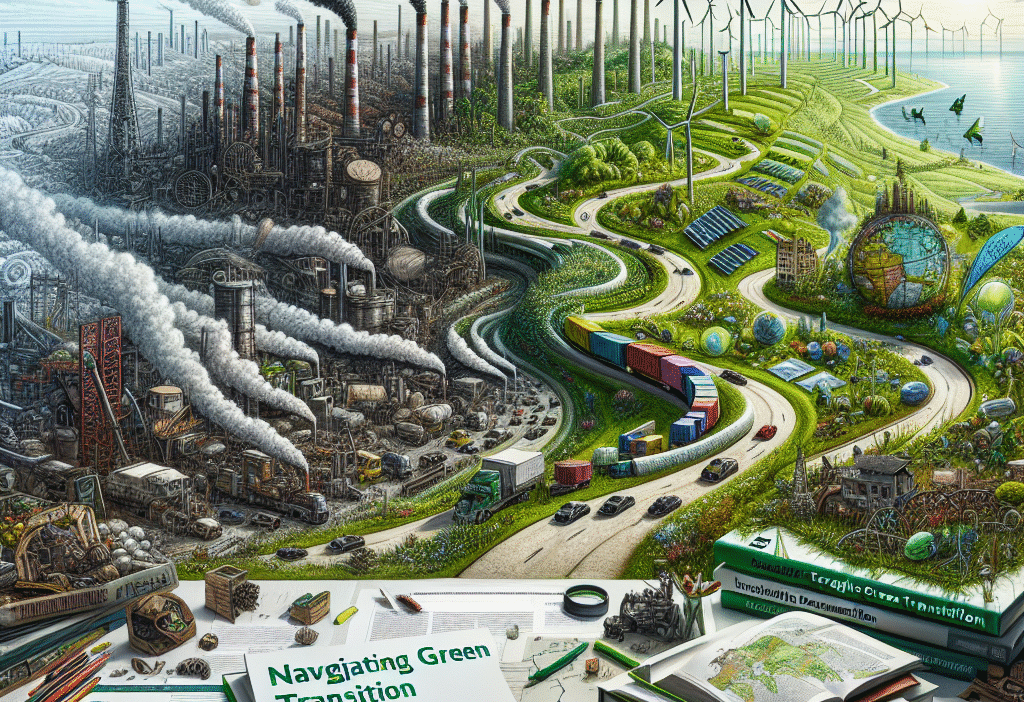
As the world grapples with the escalating impacts of climate change, the urgency for a green transition has never been more pronounced. 🌍 The phrase "Navigating the Green Transition: How Economic Policies Must Evolve to Combat Climate Change" encapsulates the critical need for innovative economic strategies that align with environmental sustainability. This article delves into the multifaceted relationship between economic policies and climate action, offering insights into how we can effectively navigate this transition.
In this comprehensive guide, we will explore the current economic landscape, the role of government policies, and actionable strategies that can facilitate a successful green transition. By the end, you will have a clearer understanding of how economic policies can evolve to combat climate change, empowering you to contribute to this vital cause.
Understanding the Green Transition
What is the Green Transition?
The green transition refers to the shift from traditional, fossil-fuel-based economies to sustainable, low-carbon alternatives. This transition is not merely an environmental necessity; it is also an economic opportunity. By investing in renewable energy, sustainable agriculture, and green technologies, countries can create jobs, stimulate economic growth, and enhance energy security.
Why is it Important?
The consequences of climate change are profound and far-reaching. From extreme weather events to rising sea levels, the impacts threaten not only ecosystems but also human livelihoods. Economic policies that prioritize sustainability can mitigate these risks while fostering resilience in communities.
The Current Economic Landscape
The Role of Economic Policies
Economic policies are the backbone of any successful transition. They dictate how resources are allocated, how industries operate, and how individuals engage with the economy. In the context of climate change, these policies must evolve to prioritize sustainability and resilience.
Key Areas for Policy Evolution
- Energy Transition: Shifting from fossil fuels to renewable energy sources.
- Sustainable Agriculture: Promoting practices that reduce emissions and enhance food security.
- Circular Economy: Encouraging recycling, reuse, and sustainable production methods.
The Economic Cost of Inaction
The costs associated with climate inaction are staggering. According to a report by the Global Commission on the Economy and Climate, failing to address climate change could result in a loss of $2.5 trillion annually by 2030. Conversely, investing in sustainable practices can yield significant economic returns.
Strategies for Navigating the Green Transition
1. Implementing Carbon Pricing
What is Carbon Pricing?
Carbon pricing is a market-based approach to reducing greenhouse gas emissions. By assigning a cost to carbon emissions, it incentivizes businesses to adopt cleaner technologies and practices.
Benefits of Carbon Pricing
- Encourages Innovation: Companies are motivated to develop cleaner technologies.
- Generates Revenue: Funds can be reinvested in renewable energy projects.
- Promotes Fairness: A well-designed carbon pricing system can address social inequities.
2. Investing in Renewable Energy
The Importance of Renewable Energy
Transitioning to renewable energy sources such as solar, wind, and hydroelectric power is crucial for reducing carbon emissions. Governments must create policies that support the development and integration of these technologies.
Actionable Steps
- Subsidies and Incentives: Provide financial support for renewable energy projects.
- Infrastructure Development: Invest in grid modernization to accommodate renewable sources.
- Public-Private Partnerships: Foster collaboration between government and private sectors.
3. Supporting Sustainable Agriculture
Why Sustainable Agriculture Matters
Agriculture is a significant contributor to greenhouse gas emissions. Transitioning to sustainable practices can reduce emissions while ensuring food security.
Key Practices
- Agroecology: Implementing farming practices that enhance biodiversity.
- Precision Agriculture: Utilizing technology to optimize resource use.
- Local Food Systems: Supporting local farmers to reduce transportation emissions.
4. Promoting a Circular Economy
Understanding the Circular Economy
A circular economy aims to minimize waste and make the most of resources. This approach contrasts with the traditional linear economy, which follows a ‘take-make-dispose’ model.
Steps to Foster a Circular Economy
- Design for Longevity: Encourage manufacturers to create durable products.
- Recycling Initiatives: Implement robust recycling programs to reduce waste.
- Consumer Education: Raise awareness about sustainable consumption.
The Role of Government and Policy Makers
Creating a Supportive Policy Framework
Governments play a pivotal role in facilitating the green transition. They must create a supportive policy environment that encourages innovation and investment in sustainable practices.
Essential Policy Elements
- Clear Regulations: Establishing clear guidelines for emissions reductions.
- Long-term Vision: Developing a comprehensive strategy for sustainability.
- Stakeholder Engagement: Involving businesses, communities, and experts in policy development.
International Cooperation
Climate change is a global challenge that requires international collaboration. Countries must work together to share knowledge, technology, and resources.
Key International Agreements
- Paris Agreement: A landmark accord aimed at limiting global warming.
- Sustainable Development Goals (SDGs): A set of goals established by the United Nations to promote sustainability.
Case Studies of Successful Transitions
1. Denmark’s Renewable Energy Revolution
Denmark has emerged as a leader in renewable energy, with wind power accounting for over 40% of its electricity consumption. The government’s commitment to sustainability has driven innovation and economic growth.
2. New Zealand’s Sustainable Agriculture Initiatives
New Zealand has implemented policies that promote sustainable farming practices, resulting in reduced emissions and enhanced food security. The government supports farmers through education and financial incentives.
Conclusion
Navigating the green transition is not just an environmental imperative; it is an economic opportunity that can lead to sustainable growth and resilience. By evolving economic policies to prioritize sustainability, we can combat climate change effectively.
As individuals, we also have a role to play. Whether through advocacy, sustainable choices, or community engagement, every action counts. Together, we can create a greener, more sustainable future.
FAQs
1. What is the green transition?
The green transition refers to the shift from fossil fuel-based economies to sustainable, low-carbon alternatives, focusing on renewable energy, sustainable agriculture, and circular economies.
2. Why are economic policies important for climate action?
Economic policies dictate resource allocation and industry operations, making them crucial for promoting sustainability and resilience in the face of climate change.
3. How can carbon pricing help combat climate change?
Carbon pricing assigns a cost to carbon emissions, incentivizing businesses to adopt cleaner technologies and practices while generating revenue for sustainable projects.
4. What role do governments play in the green transition?
Governments create supportive policy frameworks, establish regulations, and foster international cooperation to facilitate the green transition.
5. How can individuals contribute to the green transition?
Individuals can advocate for sustainable policies, make eco-friendly choices, and engage with their communities to promote sustainability.
By understanding the complexities of navigating the green transition and the evolution of economic policies, we can collectively work towards a sustainable future. 🌱