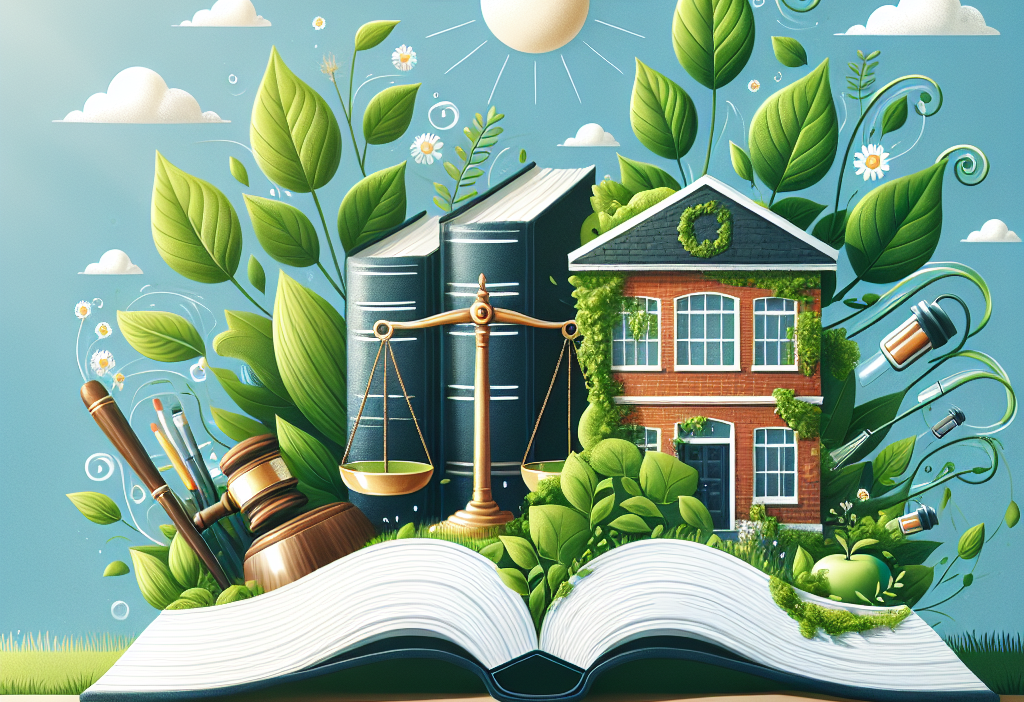
Legal Frameworks for a Greener Tomorrow: Environmental Protection and Its Educational Implications
Introduction
As the world grapples with climate change and environmental degradation, understanding the Legal Frameworks for a Greener Tomorrow: Environmental Protection and Its Educational Implications has become a vital necessity. 🌍 These frameworks not only govern how we interact with our environment but also lay the groundwork for educational initiatives that promote sustainability. From international treaties to local regulations, the legal infrastructure surrounding environmental protection is intricate yet essential for shaping a sustainable future.
In this comprehensive exploration, we will delve into the various legal frameworks that drive environmental protection, their implications for education, and how individuals and institutions can contribute to a greener tomorrow. We’ll cover:
- Key international and national environmental laws
- The role of education in promoting legal frameworks for sustainability
- Practical examples for integrating environmental law into educational curriculums
- Actionable insights for students, educators, and policymakers
Get ready to embark on a journey toward a sustainable and legally informed future!
Understanding Legal Frameworks for Environmental Protection
1. International Treaties and Agreements 🌐
International environmental law consists of treaties and agreements designed to address global environmental issues. Here are a few foundational agreements:
The Paris Agreement (2015): A landmark agreement targeting climate change, the Paris Agreement unites countries in a commitment to limit global warming to below 2 degrees Celsius. This treaty insists that nations establish legally binding targets to reduce greenhouse gas emissions.
The Convention on Biological Diversity (CBD): This agreement aims to conserve biological diversity, promote sustainable use of resources, and ensure fair sharing of benefits arising from genetic resources.
- The United Nations Framework Convention on Climate Change (UNFCCC): Central to the global climate agenda, the UNFCCC sets the framework for climate action and negotiations.
These international frameworks serve as essential guidelines for nations striving to protect their environments and promote sustainability. They illustrate the need for cohesive and collaborative efforts to address global environmental challenges.
2. National Environmental Legislation 📜
Countries have their own environmental laws that align with international treaties while addressing local issues. Understanding these laws is crucial for effective environmental governance:
The National Environmental Policy Act (NEPA) in the United States requires federal agencies to assess the environmental impacts of their proposed actions before making decisions. This legislation promotes transparency and public participation.
- The Environment Protection Act (EPA) in India aims to provide a framework for the protection of the environment from hazards. It grants the government the authority to take preventive measures against environmental degradation.
These national laws set essential guidelines for environmental protection, ensuring that citizens and businesses understand their responsibilities in preserving the environment.
3. Local and State Regulations 🏙️
Local and state regulations play a critical role in implementing national policies and addressing regional issues. These regulations can vary significantly and often include:
Urban Planning Laws: How cities manage land development can significantly affect environmental protection. Zoning laws that prioritize green spaces contribute to a sustainable urban environment.
- Pollution Control Laws: Laws that regulate air and water quality help reduce pollution produced by industrial activities and protect public health.
Through these regulations, local governments can tailor their approaches to environmental protection, making them more effective in specific contexts.
The Role of Education in Environmental Protection 📚
1. Integration of Environmental Topics into Curriculums
The process of integrating environmental education into school curricula is paramount for developing environmentally conscious citizens. Through various subjects, educators can incorporate essential topics such as:
Sustainability Practices: Teaching students about renewable resources, recycling, and conservation can cultivate a culture of sustainability from a young age.
- Legal Foundations of Environmental Policy: Introducing students to the legal frameworks behind environmental protection can foster a sense of responsibility and empowerment.
Example of a Curriculum Integration
An example of effective integration might include assigning a project where students engage with local environmental laws, analyzing their impacts and proposing improvements. This practical approach promotes active learning and critical thinking.
2. Community-Based Environmental Education
Community outreach programs can extend the reach of environmental education beyond the classroom. Engaging community members in environmental initiatives fosters a sense of collective responsibility.
Workshops and Seminars: Organizing workshops that address local environmental issues can unite community members and educate them on relevant laws and regulations.
- Environmental Advocacy Groups: Collaborating with organizations that focus on environmental advocacy can provide resources and support for community-based projects, emphasizing the importance of legal frameworks.
3. The Role of Higher Education Institutions
Colleges and universities can play a significant role in shaping future environmental leaders through:
Research Initiatives: Higher education institutions can lead research on environmental issues, proposing policy recommendations that align with legal frameworks.
- Interdisciplinary Studies: Programs that merge environmental science, law, and policy can prepare graduates to tackle complex environmental challenges effectively.
Through these educational avenues, students become informed advocates for environmental protection, informed by the laws governing these vital issues.
Practical Implications for Individuals and Institutions
Steps for Individuals
Educate Yourself: Understanding local and national environmental laws can empower individuals to make informed decisions that positively impact the environment.
Participate in Advocacy: Engaging in community organizations or campaigns that promote sustainable practices can amplify an individual’s voice in legal discourse.
- Practice Sustainability: Simple daily actions, like reducing waste and conserving energy, align personal practices with broader environmental goals.
Institutional Strategies
For Schools and Universities
Curriculum Development: Incorporate environmental education across subjects, focusing on legal frameworks governing environmental protection.
- Community Engagement Projects: Establish partnerships with local organizations to provide students with hands-on experiences in environmental advocacy.
For Businesses
Compliance with Environmental Laws: Ensure strict adherence to environmental regulations, demonstrating a commitment to sustainability.
- Sustainable Business Practices: Adopt sustainable practices, such as reducing plastic use and implementing recycling programs, to meet legal and ethical environmental responsibilities.
The Future of Environmental Legal Frameworks
Evolving Laws and Policies
The landscape of environmental law is continually evolving. As new environmental challenges arise, so too must our legal responses. Emerging issues include:
Climate Change Adaptation Strategies: Laws need to adapt to assist communities in developing resilience against climate change.
- Advancements in Technology: Legal frameworks must address how new technologies, such as ‘green’ technologies, can contribute to sustainable practices while complying with environmental laws.
Conclusion
The path to a greener tomorrow lies in understanding the legal frameworks that support environmental protection and the educational implications stemming from these laws. By forging a bond between legal knowledge and sustainable practices, we can empower individuals and institutions to respond effectively to environmental challenges.
As we reflect on the importance of educating ourselves about Legal Frameworks for a Greener Tomorrow: Environmental Protection and Its Educational Implications, let’s take actionable steps toward a sustainable future. By integrating environmental education into our curriculums and community initiatives, we can inspire new generations to uphold and advocate for both our planet and future.
FAQs
1. What are the main international frameworks for environmental protection?
Answer: Key international frameworks include the Paris Agreement, the Convention on Biological Diversity, and the United Nations Framework Convention on Climate Change (UNFCCC).
2. How can education promote environmental protection?
Answer: Education can foster awareness of environmental laws and sustainability practices, preparing informed citizens who advocate for change.
3. What role do local governments play in environmental regulation?
Answer: Local governments implement and enforce regulations tailored to their community’s specific environmental needs, often through zoning and pollution control laws.
4. How can individuals contribute to environmental protection?
Answer: Individuals can contribute by educating themselves, participating in advocacy, and adopting sustainable practices in their daily lives.
5. Why is it important to integrate environmental education in schools?
Answer: Integrating environmental education prepares students to be responsible citizens and advocates, fostering a culture of sustainability that contributes to long-term environmental protection.
This article aims to serve as a comprehensive guide to understanding the legal frameworks that facilitate environmental protection while emphasizing the critical role of education. By arming ourselves with knowledge and actionable strategies, we can collectively contribute to creating a greener tomorrow for generations to come. 🌱