Introduction
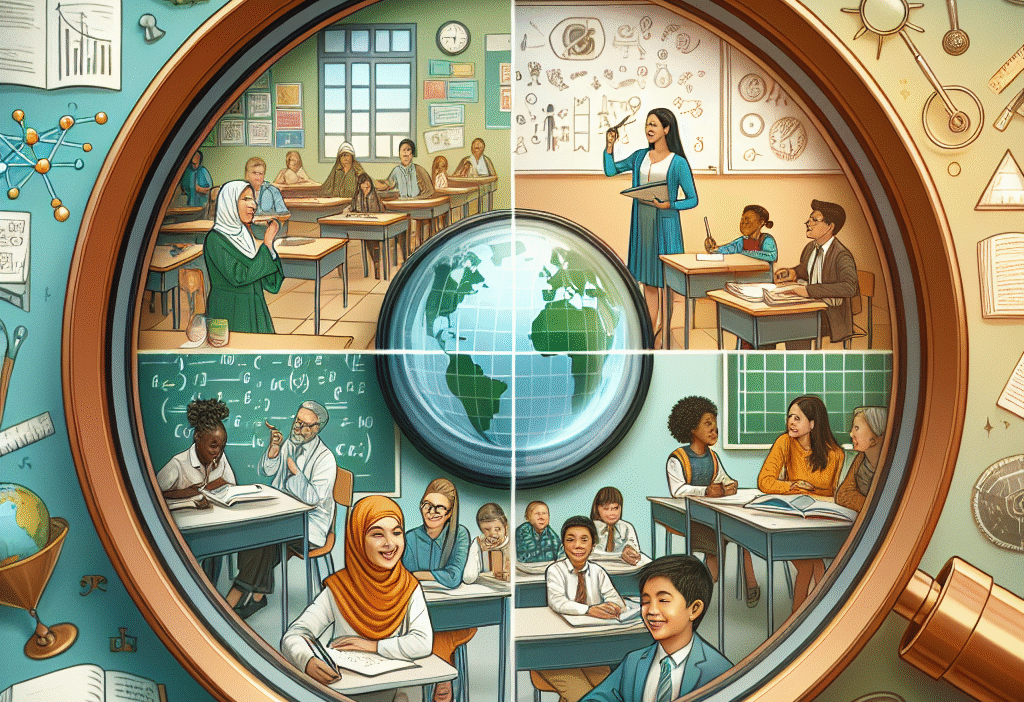
Education is not a one-size-fits-all approach; it’s a multifaceted journey viewed through various cultural lenses. To navigate today’s increasingly diverse classrooms, educators must understand the profound impact that cultural perspectives have on teaching methods. This article delves deeply into Learning Through Lenses: The Impact of Cultural Perspectives on Teaching Methods. We will explore how recognizing and integrating these diverse viewpoints can enhance education, promote inclusivity, and inspire innovative teaching methods.
In this exhaustive exploration, you’ll discover actionable insights, in-depth analyses, and even step-by-step guidelines to help you apply cultural perspectives effectively in your teaching practices. By the end, you’ll be equipped not just with knowledge but with the tools necessary to create a more dynamic, understanding, and engaging educational environment.
The Importance of Cultural Perspectives in Education
The Global Classroom
As classrooms become increasingly globalized, students bring with them a variety of backgrounds, languages, and worldviews. This diversity is not merely a challenge; it is an incredible opportunity for richer learning experiences. By understanding Learning Through Lenses, educators can tailor their teaching strategies to engage all students effectively.
Cultural Relevance: When education is culturally relevant, students are more likely to connect with the material, retain information, and engage in meaningful discussion. For instance, a lesson on historical events can be taught from multiple cultural perspectives, enriching students’ understanding and empathy.
Inclusivity and Equity: Embracing different cultural lenses fosters an inclusive environment where every student feels seen and valued. Inclusive teaching strategies contribute to equity in learning outcomes.
- Critical Thinking: Exposing students to various cultural viewpoints encourages critical thinking and debate. It helps them to realize that their perspective is not the only one, enriching their analytical skills.
Overarching Themes of Cultural Perspectives in Teaching
To genuinely harness the power of cultural perspectives, educators must examine several overarching themes:
Communication Styles: Different cultures have unique communication norms. Understanding these can help educators facilitate better student-teacher and peer interactions.
Learning Preferences: Some cultures may favor collaborative learning environments, while others might emphasize individual achievement. Recognizing these preferences can guide the development of effective teaching strategies.
- Value Systems: Each culture comes with its own value system that influences how education is perceived. Identifying these values can help in designing curricula that respects and reflects the cultural backgrounds of all students.
Practical Applications of Cultural Perspectives in Teaching
1. Differentiated Instruction
Differentiated instruction is a teaching philosophy that offers various paths for students to engage with the content. Here are ways to implement this through cultural lenses:
Group Work: Organize diverse groups that represent various cultural backgrounds. Encourage students to share cultural insights related to the lesson topic. This can provide a richer educational experience.
Project-Based Learning: Allow students to choose projects that resonate with their cultural backgrounds, thereby creating a sense of ownership and relevance in their learning journey.
- Cultural Artefacts: Utilize cultural artifacts, such as art, music, and literature from various cultures, in your teaching. This reminds students that knowledge can come from numerous pathways.
2. Culturally Responsive Teaching
Culturally responsive teaching (CRT) focuses on utilizing a student’s cultural background to enhance learning. Here’s how to apply CRT principles:
Curriculum Design: Develop curricula that include readings and examples from diverse cultures. This can help students see themselves in the material.
Use of Multimodal Resources: Incorporate videos, podcasts, and documentaries from various cultural perspectives that relate to the subject matter.
- Reflective Practices: Encourage students to reflect on their cultural identities and how those shape their learning. This could be facilitated through journals or group discussions.
3. Engaging with Families and Communities
Building a bridge between the school and the community enhances learning experiences. Here’s how educators can foster these connections:
Parent Workshops: Organize workshops that educate parents from varied cultural backgrounds about the educational processes and opportunities at school.
Community Projects: Engage students in projects that require interaction with community members from different cultural backgrounds. This helps to break down barriers and fosters understanding.
- Cultural Days: Hosting cultural days where students can present aspects of their heritage creates an inclusive atmosphere.
Assessing the Impact of Cultural Perspectives
Measuring Engagement and Success
Evaluating the effectiveness of your culturally responsive practices is crucial for ongoing improvement. Here are several methods to assess impact:
Feedback Sessions: Regularly seek feedback from students about what cultural elements resonate with them the most and adapt accordingly.
Performance Metrics: Analyze grades and engagement levels across different cultural groups to assess equity in educational outcomes.
- Anecdotal Evidence: Collect stories and testimonials from students and parents to gauge the emotional impact of culturally inclusive practices.
Case Studies and Real-World Examples
Although we are avoiding traditional case studies, illustrative examples of success can serve as a powerful motivator:
Example 1: Diverse Literature: A school that revamped its reading list to include more authors from underrepresented cultures noted a marked increase in reading comprehension scores among those students.
- Example 2: International Exchange: A nationwide program promoting international student exchanges found improvements in both academic performance and cultural competence among participants.
Visuals and Infographics
To enrich the engagement level of this article, the following visual aids will be added:
Diversity in the Classroom Chart: This infographic will depict the diverse cultural backgrounds of students in a typical classroom.
Culturally Responsive Teaching Framework: A visual breakdown of the key elements of culturally responsive teaching will be included, providing a at-a-glance reference for educators.
- Engagement Metrics Table: A table that presents metrics on student engagement, performance, and retention rates as influenced by culturally relevant practices.
Conclusion
Cultural perspectives play an essential role in shaping effective teaching methods. As we have explored through Learning Through Lenses: The Impact of Cultural Perspectives on Teaching Methods, it’s clear that embracing diversity can transform educational experiences.
By integrating culturally responsive methods and promoting inclusivity, educators not only prepare students for an interconnected world but also create enriching learning environments that respect and honor diverse identities.
Empowerment Through Education
In our quest for a better educational landscape, remember this: every student brings a unique lens to the classroom. By recognizing and valuing those lenses, we can collectively foster a generation of informed, compassionate, and culturally-aware individuals. 🌍✨
Frequently Asked Questions (FAQs)
1. What is culturally responsive teaching?
Culturally responsive teaching is an educational approach that values diversity and incorporates students’ cultural backgrounds into curricula and teaching practices to make learning more relevant.
2. How can I identify my students’ cultural backgrounds?
You can gauge your students’ cultural backgrounds through surveys, discussions, and by building relationships with them. Engaging parents and communities can provide additional context.
3. Why is cultural competence important for educators?
Cultural competence allows educators to teach more effectively by creating equitable learning environments, making education more meaningful, and promoting inclusivity.
4. How can I incorporate cultural perspectives into my lesson plans?
Include diverse cultural materials, encourage discussions around different viewpoints, and allow students to share their cultural insights or experiences related to the lesson.
5. What resources are available for teachers to learn more about cultural perspectives?
There are various books, workshops, online courses, and professional organizations focused on culturally responsive teaching that can help educators expand their knowledge and skills.
By adopting culturally informed teaching strategies, you can make a significant difference in your students’ educational experiences. So take that step today — the world of education is richer when viewed through multiple lenses!