Investing in Our Future: The Economic Case for Climate Change Education
Introduction
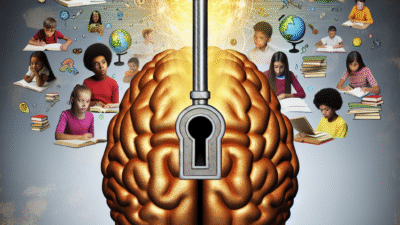
As the world grapples with the devastating effects of climate change, one thing is clear: education is not just a luxury; it’s a necessity. The urgency to invest in climate change education is paramount as we confront rising sea levels, extreme weather events, and ecological upheaval. Understanding the economic implications of this investment can offer a roadmap for how climate change education can shape a sustainable future. In this article, titled Investing in Our Future: The Economic Case for Climate Change Education, we will explore the critical reasons why integrating climate education into curriculums is not only an ethical imperative but also an economically sound decision.
We will cover:
- Why climate change education is essential for sustainable economic growth.
- The role of different sectors in promoting this education.
- Challenges and opportunities in implementing climate change education.
- Actionable strategies for individuals, educators, and policymakers.
- Engaging questions to deepen your understanding of the topic.
Let’s embark on this journey to understand how investing in climate change education is an investment in our collective future. 🌏
The Economic Importance of Climate Change Education
Understanding the Economic Landscape
Climate change poses a complex array of challenges to the economy. Natural disasters linked to climate change can cripple local economies, damaging infrastructure and displacing communities. In fact, according to a report by the National Oceanic and Atmospheric Administration (NOAA), the United States has faced over $410 billion in weather and climate-related disasters from 2011 to 2020 alone.
Climate Change and Economic Resilience
Investing in climate change education fosters economic resilience by equipping current and future generations with the tools to adapt. For instance, studies show that societies with higher levels of education are better able to mitigate and adapt to climate impacts, showcasing a clear correlation between education and economic performance. 🌱
Job Creation through Green Technology
Education in climate science and sustainability opens doors for innovation in green technology. The transition to a low-carbon economy is anticipated to create millions of jobs in renewable energy, sustainable agriculture, and eco-friendly construction. According to the International Renewable Energy Agency (IRENA), the renewable energy industry alone could employ over 24 million people globally by 2030.
Investing in educational programs that focus on these areas can ensure that future generations are prepared for careers in these emerging fields. By doing so, we can catalyze economic growth while addressing the urgent crisis of climate change.
The Multifaceted Role of Education
Curriculum Development
Integrating climate change education into diverse curriculums—ranging from science to economics—is crucial. A robust educational framework can instill an understanding of climate issues and their solutions, enabling students to become informed citizens and capable problem solvers.
Example: Interdisciplinary Approaches
For instance, schools can cultivate interdisciplinary projects that allow students to explore climate change through science experiments, economic analyses, and policy discussions. Such practical engagements not only make learning fun but also deepen understanding.
Teacher Training and Resources
Investing in climate education also means equipping educators with the necessary tools and resources. Professional development focused on climate science can empower teachers to inspire the next generation of climate leaders.
, which offers educators resources on how to teach about climate change scientifically and engagingly.

Engaging Communities and Families
Engaging parents and communities expands the reach of climate change education. Family activities, workshops, and community events centered on climate themes can further drive home the importance of sustainability. 🏡
Overcoming Challenges
Financial Constraints
One of the primary barriers to implementing climate change education is funding. Schools often struggle with tight budgets, which can limit educational offerings. However, investment in climate education can attract funding from grants and partnerships with organizations aligned with sustainability.
Example: Grant Opportunities
Various organizations, like the Environmental Protection Agency (EPA), offer grants for educational programs focused on environmental issues. Schools can leverage these funds to bolster their climate change education curriculum.
Resistance to Change
Cultural resistance can also pose a challenge. Education systems may be slow to adapt due to established curricula or socio-political factors. However, momentum is building as awareness and urgency around climate change grow.
Example: Community Advocacy
Community advocacy groups can play a crucial role in pushing for climate change education. By organizing rallies, workshops, and informational sessions, these groups can influence local education policies.
Actionable Strategies for Effective Climate Change Education
Individuals and Students
Students can take an active role in promoting climate education by participating in science fairs, joining eco-clubs, or simply becoming informed advocates within their communities. 🌍
Educators
Educators can:
- Incorporate current events related to climate change into lessons.
- Foster an inclusive environment for discussions about climate justice.
- Partner with local organizations for field trips or workshops.
Policymakers
Policymakers should prioritize educational reform to include climate change. This includes:
- Providing funding for climate education initiatives.
- Establishing standards for climate literacy in schools.
- Supporting partnerships between schools and environmental organizations.
Businesses and Corporations
Corporate social responsibility initiatives can also contribute. Businesses can:
- Sponsor educational programs focused on sustainability.
- Collaborate with local schools to create internships or programs.
Community Involvement
Communities can host events to raise awareness about climate change education. Programs like community gardens or clean-up initiatives can reinforce the importance of environmental stewardship.
Conclusion
Investing in climate change education is fundamentally about investing in our future. As we dissected throughout this article, the economic case for such investment is powerful—linking education to job creation, sustainable economic growth, and resilience against disaster.
By embedding climate change education into our educational systems, we are not merely preparing individuals for the future; we are ensuring a brighter, more sustainable world for all. 🌟
Let us take up the call to action and advocate for comprehensive climate change education. Every effort counts in shaping a sustainable future!
Frequently Asked Questions (FAQs)
Why is climate change education important?
- Climate change education equips individuals with the knowledge and skills to address and manage climate-related challenges effectively.
How does climate education leads to economic growth?
- By fostering innovations in green technology and creating job opportunities within the sustainable sector, climate education contributes to economic resilience.
What can schools do to incorporate climate change education?
- Schools can integrate climate change topics into various subjects and provide teachers with resources and training focused on environmental education.
How can communities support climate education initiatives?
- Communities can organize events, workshops, and partnerships with schools to raise awareness and promote climate education locally.
- What are some career opportunities related to climate change education?
- Careers span a wide range, including renewable energy specialists, environmental scientists, educators, policymakers, and sustainability consultants.
By coming together to advocate for climate change education, we can create informed, resilient communities ready to tackle the challenges of today and tomorrow.
Internal Links for Further Reading
- The Importance of Environmental Education
- Sustainable Practices in Education
- Grants for Climate Change Programs
Investing in Our Future: The Economic Case for Climate Change Education remains an essential initiative for educators, students, and policymakers alike. Let’s commit to championing this cause for a sustainable tomorrow!