The modern workplace is changing fast, thanks to new tech and economic shifts. Skills that were once key are now outdated quickly.
Lifelong learning is key for those wanting to stay current. It’s not just about degrees. It’s about getting new skills and knowledge to keep up in the job market.
In today’s fast world, staying competitive means always learning and improving. This helps you move up in your career and adapt to new job needs.
Key Takeaways
- Lifelong learning is vital for career growth and staying competitive.
- Continuous education isn’t just about school. It’s about getting new skills and knowledge.
- Staying ahead in the job market means adapting to new job needs.
- Ongoing education helps you keep up with new tech and work settings.
- Being committed to learning is essential for success in today’s fast-paced work world.
Definition of Continuous Education
In today’s world, continuous education is key for your career. It means learning new skills and knowledge after school. This keeps you up-to-date in your field.
What is Continuous Education?
Continuous education includes many types of learning. This includes formal classes, workshops, and learning on your own. It helps you keep up with industry changes, boosting your career.
Adult education benefits are many. You’ll feel more satisfied at work, work better, and adapt to new situations easily.
Different Forms of Continuous Education
There are many ways to learn continuously. You can take online courses, get professional certifications, or attend workshops. These options are flexible, fitting into your busy schedule.
Here’s a quick look at the different ways to learn continuously and what they offer:
| Form | Description | Benefits |
|---|---|---|
| Online Courses | Flexible, self-paced learning | Accessibility, convenience |
| Professional Certifications | Specialized knowledge and credentials | Enhanced career prospects, credibility |
| Workshops | Interactive, hands-on learning experiences | Practical skills, networking opportunities |
There are many upskilling advantages in continuous education. It helps you stay ahead in your career. By picking the right learning path, you can meet your career and personal goals.
Benefits of Continuous Education
Continuous education is key for personal growth, career progress, and networking. It brings many benefits that can change your life and career for the better.
Personal Development
It boosts your skills, knowledge, and confidence. Through learning, you can:
- Get new skills and abilities
- Improve at solving problems
- Think more critically
This makes you more flexible and strong when facing challenges. You’ll feel more satisfied and fulfilled. Personal growth through learning is essential to reach your full capacity.
Career Advancement
It also helps in career growth. By learning new things, you can:
- Stay ahead in the job market
- Improve your job chances
- Take on bigger roles and duties
Learning shows you’re serious about your job and ready to adapt. This can lead to promotions, new job chances, and more job security.
| Career Advancement Benefits | Description |
|---|---|
| Enhanced Job Prospects | More chances for new roles and promotions |
| Competitive Advantage | Stay ahead by learning the latest skills and knowledge |
| Professional Growth | More chances for advancement and bigger responsibilities |
Networking Opportunities
It also opens up networking chances. By going to workshops, seminars, and online courses, you can meet:
- People in your field
- Industry leaders
- Potential employers and partners
These connections can lead to new job chances, collaborations, and a strong network. Having a strong network is vital for lasting career success.
Continuous Education in the Workplace
Continuous education is now a must in today’s fast-paced work world. Employers see the value in helping their employees learn and grow. This is because the job market keeps changing.
The modern workplace needs workers who can adapt, innovate, and keep learning. Employer support for continuous education is key to creating a culture that values growth.
Employer Support for Learning
Many companies now support employee learning in different ways. They offer professional development programs, training, and mentorship. These efforts improve skills, boost job satisfaction, and help keep employees.
Some companies even pay for employees to get higher education or certifications. Others have in-house training sessions led by experts.
| Types of Employer Support | Description | Benefits |
|---|---|---|
| Professional Development Programs | Structured programs aimed at improving specific skills | Enhanced job performance, career growth |
| Training Sessions | Workshops or seminars on various topics | Updated knowledge, skill improvement |
| Mentorship Opportunities | Guidance from experienced professionals | Career advice, networking |
Role of Professional Development Programs
Professional development programs are vital for ongoing learning at work. They aim to fill skill gaps and boost employees’ abilities.
By investing in these programs, employers show they care about their employees’ growth. This can make employees happier and less likely to leave.
As we face the challenges of today’s workplace, continuous education is key for personal and professional growth. Employers who support learning are more likely to attract and keep the best talent.
The Impact of Technology
Technology has changed how we learn forever. Digital tools and platforms have made learning easier and more flexible.
Now, learning is more accessible and flexible. Online learning platforms are leading this change. They offer many courses for different learning needs.
Online Learning Platforms
Online learning platforms are getting more popular. They let you learn at your own pace, anytime, anywhere. You can find courses on everything from technical skills to soft skills.
The benefits of online learning platforms include:
- Flexibility in scheduling
- Access to a wide range of courses
- Self-paced learning
- Cost-effectiveness
Coursera, Udemy, and edX are some top online learning platforms. They work with top universities to provide quality education.
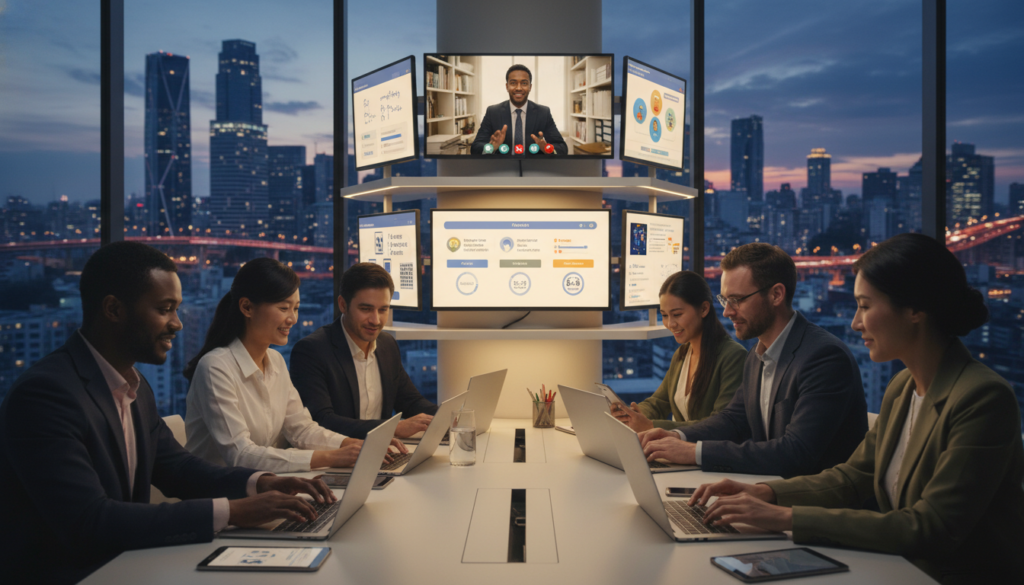
E-learning vs Traditional Learning
The debate between e-learning and traditional learning is growing. Traditional learning offers face-to-face interaction and a structured setting. E-learning, on the other hand, is flexible and accessible.
| Features | E-learning | Traditional Learning |
|---|---|---|
| Flexibility | High | Low |
| Accessibility | High | Low |
| Cost | Variable | High |
| Interaction | Variable | High |
In conclusion, technology has changed education forever. Online learning platforms let you learn at your own pace. While both e-learning and traditional learning have their pros and cons, the choice depends on what you prefer and need.
Continuous Education and Job Market Trends
The modern job market needs workers who are adaptable, skilled, and always learning. With new technologies changing industries, the importance of continuous education grows.
Staying updated with the latest in your field through continuous education boosts your job chances. The adult education benefits include better job satisfaction and higher pay.
Skills in High Demand
The job market wants skills that match new technologies. Skills like data analysis, artificial intelligence, and cybersecurity are in high demand. Continuous education helps you get these skills, making you more competitive.
But, the upskilling advantages go beyond just technical skills. Employers also value soft skills like critical thinking, problem-solving, and communication. By improving both technical and soft skills, continuous education can greatly improve your career.
Adapting to Industry Changes
Industries keep changing due to new technologies, laws, and what consumers want. Continuous education helps professionals keep up by teaching them the latest skills and knowledge.
For example, the growth of renewable energy means more jobs for those who know about sustainable practices. The healthcare field is moving towards personalized medicine, needing professionals to learn new things. By choosing continuous education, you can keep up with these changes and stay ahead.
In summary, continuous education is key to keeping up with job market trends. By learning in-demand skills and adapting to industry changes, you can boost your career and achieve lasting success.
Lifelong Learning Mindset
Having a lifelong learning mindset means always being curious and adaptable. This is key for moving up in your career and enjoying the benefits of learning.
Importance of Curiosity
Curiosity drives the lifelong learning mindset. It makes people want to learn new things and improve themselves. As
“The important thing is not to stop questioning. Curiosity has its own reason for existence.”
This quote by Albert Einstein shows how important curiosity is in learning.
Keeping curious helps professionals stay on top of their fields. They can adapt to new trends and technologies. This boosts their career and personal growth.
Embracing Change
Being open to change is also vital. It means accepting new ideas and technologies. In education, it means always looking for ways to grow.
Those who welcome change can use new trends and technologies to their advantage. This keeps them relevant in a fast-changing job market.
Challenges to Continuous Education
Continuous learning is rewarding but comes with challenges. People learning every day face obstacles that slow them down.
Time Management
Effective time management is a big challenge. It’s hard to balance work, personal life, and school. To beat this, people can:
- Create a structured schedule
- Prioritize tasks
- Use downtime for studying
Good time management helps learners stay on track and make the most of their studies.
Financial Considerations
The financial burden of continuous education is another big challenge. Costs like tuition and materials can add up. To deal with these, people can:
- Look for scholarships
- Check if their employer offers tuition help
- Choose affordable online courses
| Financial Aid Option | Description | Potential Benefits |
|---|---|---|
| Scholarships | Merit-based or need-based grants | Less financial stress, recognition for achievements |
| Employer Reimbursement | Company-funded education assistance | Financial help, better job security |
| Affordable Online Courses | Cost-effective digital learning platforms | Flexibility, lower costs, easy access |
By knowing these challenges and finding ways to overcome them, people can succeed in continuous education.
Resources for Continuous Education
Continuous education is key in today’s fast-changing world. Many resources help us keep learning throughout our lives. It’s important to stay up-to-date with new skills and knowledge to stay ahead.
There are many ways to keep learning. You can take online courses, get certifications, or join professional groups. These offer chances to network and grow professionally.
Online Courses and Certifications
Online learning is popular because it’s flexible and easy to access. Sites like Coursera, edX, and Udemy have lots of courses. They cover everything from tech and business to arts and humanities.
These sites provide quality education and offer certifications. Getting certified can really help your career.
Coursera works with top universities to offer courses. edX has MicroMasters programs for deep learning in specific areas.

Professional Organizations
Professional groups are vital for ongoing learning. They offer networking, development, and access to industry knowledge.
These groups host events like conferences and workshops. They help you learn about new trends and advancements.
| Organization | Field | Benefits |
|---|---|---|
| American Management Association (AMA) | Management and Leadership | Professional development, networking opportunities, industry insights |
| Project Management Institute (PMI) | Project Management | Certifications (PMP), professional development resources, networking |
| National Association of Social Workers (NASW) | Social Work | Professional development, advocacy, networking opportunities |
Using these resources can improve your skills and knowledge. It helps you stay current and advance in your career. Find what works best for you and your goals.
How to Create a Continuous Education Plan
A good continuous education plan is key in today’s fast job market. We need to keep learning to stay ahead and reach our career goals.
First, we must understand the value of setting learning goals. This means knowing what we want to achieve and what skills we need. By setting clear goals, we can focus our learning and make real progress.
Setting Learning Goals
Setting learning goals is the first step in making a continuous education plan. It starts with looking at what we need to improve or what skills are in demand. Here are some steps to follow:
- Identify your short-term and long-term career objectives.
- Determine the skills or knowledge required to achieve these objectives.
- Research available courses, certifications, or training programs that align with your goals.
By doing these steps, we can make a plan that meets our needs and boosts our career.
Choosing the Right Programs
After setting our goals, we need to choose the right programs to reach them. We should look at different learning options like online courses, certifications, and workshops. This helps us find the best fit for our goals.
When picking a program, think about:
- The credibility and reputation of the institution or provider.
- The relevance of the curriculum to your career objectives.
- The flexibility and accessibility of the program.
By carefully considering these points, we can choose programs that help us grow and stay updated in our field.
In conclusion, making a continuous education plan means setting goals and picking the right programs. By doing this, we can improve our skills, move forward in our careers, and enjoy the benefits of adult education.
Measuring Success in Continuous Education
To get the most out of continuous education, it’s key to measure its success. This means tracking how far you’ve come and celebrating your wins. These steps are vital for moving up in your career and gaining more from your education.
Tracking Progress
Keeping track of your education progress needs a solid plan. Set clear goals you can measure and check your learning against them often. Keeping a learning journal, setting milestones, and using tools from your courses can help.
Key Strategies for Tracking Progress:
- Regularly review learning objectives
- Use assessment tools and feedback mechanisms
- Adjust learning plans as needed based on progress
Recognizing Achievements
It’s just as important to celebrate your achievements. This keeps you motivated to keep learning. You can celebrate with certifications, badges, or by thinking about how far you’ve come.
Keeping a record of your achievements is a good way to do this. Use a table like the one below:
| Achievement | Date Achieved | Impact on Career/Personal Growth |
|---|---|---|
| Completed Course on Data Analysis | June 2023 | Enhanced data interpretation skills, leading to a promotion |
| Obtained Certification in Digital Marketing | March 2023 | Improved marketing strategies, resulting in increased sales |
By tracking your progress and celebrating your achievements, you make sure your education is paying off. This leads to career growth and more from your education.
Future of Continuous Education
The world of continuous education is changing fast. New technologies and shifting job needs are driving these changes. It’s important to know what trends will shape learning and professional growth in the future.
Trends to Watch
Several key trends are expected to influence the future of continuous education. These include:
- Personalized Learning: Advances in AI and data analytics will enable more personalized learning experiences, tailored to individual needs and learning styles.
- Microlearning: The rise of microlearning modules will continue, providing learners with bite-sized chunks of information that can be easily consumed on-the-go.
- Virtual and Augmented Reality: The integration of VR and AR technologies will create immersive learning experiences, boosting engagement and retention.
- Lifelong Learning Platforms: Platforms that support lifelong learning will become more prevalent, providing a range of courses and resources for individuals at various stages of their careers.
These trends will not only improve the learning experience but also make continuous education more accessible and effective.
The Evolving Landscape of Learning
The future of continuous education will also see a changing landscape of learning. Traditional lines between formal and informal learning are blurring. Lifelong learning is becoming essential to stay competitive in a fast-changing job market.
To stay ahead, individuals will need to actively seek out learning opportunities. They will use a variety of resources, including online courses, professional networks, and hands-on learning.
As we move forward, it’s clear that continuous education will be key. It will help individuals reach their full potentials and stay competitive through education.
Conclusion
Today’s fast-paced world shows how vital continuous education is. It’s key for both career success and personal growth.
Key Takeaways
Continuous education brings many benefits. It helps in personal development, career growth, and networking. It also makes employers more innovative and progressive.
Moving Forward with Lifelong Learning
To stay ahead, we must embrace lifelong learning. This means adapting to new trends and learning new skills. By making a plan for continuous education, we can reach our learning goals and celebrate our successes.
Putting a focus on ongoing learning and growth is essential for a better future. As the job market changes, the importance of continuous education will only grow.