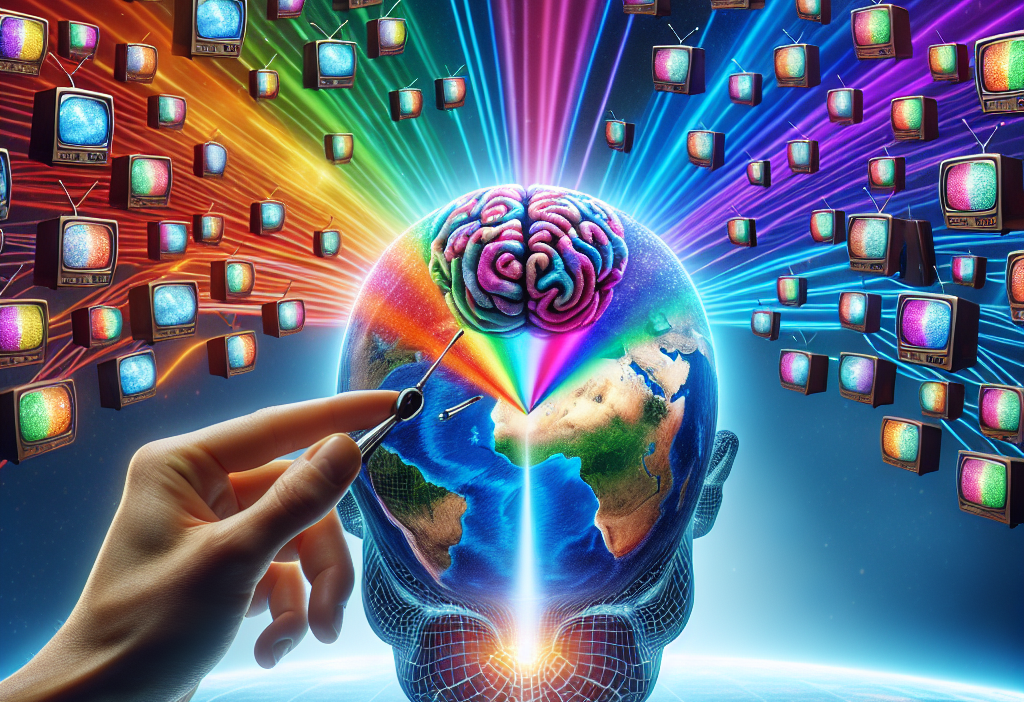
In today’s media-saturated environment, understanding how television and other forms of media influence our perceptions is crucial. 🌍 Illuminating Reality: How Cultivation Theory Shapes Our Perception of the World explores the profound impact that long-term exposure to media has on our beliefs and values.
This article will delve into the key principles of Cultivation Theory, provide actionable takeaways, and highlight its relevance in understanding our societal constructs. By the end, you will appreciate how media not only reflects societal norms but also plays a pivotal role in shaping our realities.
The Essence of Cultivation Theory
What is Cultivation Theory?
Cultivation Theory, first developed by George Gerbner in the 1960s, posits that long-term exposure to television and media content cultivates our perceptions of reality. According to Gerbner and his colleagues, individuals who consume large amounts of media content are more likely to perceive the world in ways that reflect the most recurrent messages in that media.
Key Principles of Cultivation Theory
Mainstreaming: This principle suggests that heavy media viewers from various backgrounds develop a shared view of the world, often aligned with the dominant messages portrayed in media.
Resonance: When real-life experiences reinforce media messages, the effects are magnified. For instance, individuals who live in high-crime areas are more vulnerable to the influences of crime-related media consumption.
- Gerbner’s “Mean World Syndrome”: A critical aspect of Cultivation Theory is the belief that heavy media consumption can lead to increased fear and anxiety about the world, as individuals start to perceive it as more dangerous than it may be.
The Evolution of Cultivation Theory
Over the decades, Cultivation Theory has evolved to include various forms of media such as digital platforms, social media, and gaming. The continuous development of technology has prompted researchers to investigate how these new forms shape our perceptions and beliefs about everything from politics to gender roles.
How Media Shapes Our Perception of Reality
The Influence of Television
Television remains one of the most significant mediums influencing societal perceptions. A study indicated that heavy viewers of violent programming were more likely to believe that violent crime rates were higher than they actually are.
Step-by-Step Breakdown
Content Consumption: Identify the types of media you consume. This includes news, reality shows, dramas, and social media.
Message Absorption: Reflect on the core messages depicted within that content. Are they predominantly negative or violent?
Reinforcement in Reality: Consider how often your real-life experiences align with those messages.
- Belief Alteration: Notice any changes in your perceptions over time. Have you become more fearful or cynical?
Social Media and Amplified Perception
Social media platforms have revolutionized the way we perceive reality. The curated nature of content on these platforms leads users to view a skewed version of world events.
Echo Chambers: Social media can create homogeneous environments, leading to increased polarization and reinforcing existing beliefs.
- Algorithmic Influence: Algorithms prioritize engaging content, often sensationalized, leading to heightened emotional responses and skewed perceptions.
Real-world Examples and Implications
Case Study: Fear of Crime
In recent years, news channels frequently report violent crimes. Heavy viewers of such programs often express fears about personal safety that are disproportionate to actual crime statistics. This has significant implications for public policy and societal trust.
Case Study: Gender Representation in Media
The portrayal of gender roles in television has long been critiqued. Research shows that women may feel pressured to conform to traditional roles due to persistent media portrayals, affecting our societal expectations and personal identities.
Visualizing Cultivation Theory’s Impact
[Insert Image of Cultivation Theory Conceptual Framework]
This diagram illustrates the layers of Cultivation Theory, showcasing how media messages circulate through society and influence public perception, leading to societal norms and beliefs.
Infographic: Mean World Syndrome
[Insert Infographic on Mean World Syndrome Statistics]
This infographic depicts how heavy media consumption correlates with increased fear of crime and distorted perceptions of societal safety.
Practical Insights: Navigating Media Influence
Reflect on Your Media Consumption Habits
Diversify Your Sources: Consume news from multiple platforms to counter biases.
Engage in Critical Thinking: Question the motives behind media messages. Who benefits from promoting specific narratives?
- Limit Exposure: Recognize when media consumption becomes overwhelming. Set boundaries to mitigate negative influences.
Promote Positive Media Practices
Support Quality Content: Engage with media that promotes constructive narratives, which can counteract negative perceptions in society.
- Encourage Discussions: Create forums for dialogue about media messages in your community, fostering awareness and critical analysis.
Leverage Technology for Awareness
Utilize tools that track your media consumption and provide insight into content diversity. Apps and browser extensions can aid in promoting a balanced media diet.
Conclusion: A Call to Awareness
Illuminating Reality: How Cultivation Theory Shapes Our Perception of the World reveals vital truths about the remarkable influence of media. By critically analyzing the content we consume, we can mitigate negative perceptions and cultivate a more informed worldview. 🌟
Empower yourself to challenge societal norms and foster media literacy in your community. Your critical engagement with media can reshape the narrative for future generations.
FAQs
1. What is Cultivation Theory?
Cultivation Theory suggests that long-term exposure to media shapes individuals’ perceptions of reality, impacting their beliefs and values.
2. How does media consumption influence fear perception?
Heavy media consumers often develop a "Mean World Syndrome," where they perceive the world as more dangerous due to the prevalence of violent content in media.
3. What role does social media play in shaping perceptions?
Social media can create echo chambers, where users are exposed primarily to views that reinforce their own, affecting their overall worldview.
4. How can I counteract negative media influences?
Diversify your media sources, engage critically with content, and limit your exposure to sensationalized narratives.
5. How can I promote media literacy in my community?
Encourage open discussions about media consumption, support quality content, and utilize educational resources to increase awareness about media influences.
By following the insights provided in this article, you can begin to shape your media experiences and perceptions actively. For more related resources, consider visiting JRF’s Media Resources to further enhance your understanding of media influences and Cultivation Theory.
Incorporating Illuminating Reality: How Cultivation Theory Shapes Our Perception of the World into your daily reflections will enable you to navigate the complexities of media influence with greater awareness and critical insight. 🌟