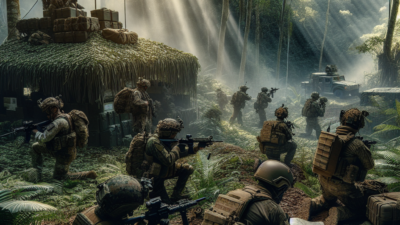
Guardians of the Nation: The Integral Role of Armed Forces in National Security
In an ever-evolving landscape of global threats, the importance of a robust military cannot be overstated. The notion of being "Guardians of the Nation" is not just a catchy slogan; it embodies the essence of national security and sovereignty. This comprehensive article will delve deeply into the integral role of armed forces in safeguarding the nation, addressing their multifaceted responsibilities, contributions, and the challenges they face. By the end, you’ll gain a profound understanding of why armed forces are considered the backbone of national security.
Introduction
Imagine a scenario where a nation lacks the protective veil of its armed forces. With every emerging conflict and cyber threat, the safety and stability of the nation would be jeopardized, making it susceptible to external aggression and internal dissent. The armed forces serve as guardians, shield-bearers who protect against immediate threats while maintaining peace and ensuring national integrity.
In this article, we will explore:
- The core functions of armed forces in national security.
- The strategic importance of military preparedness.
- The evolving nature of warfare, including cyber threats and hybrid warfare.
- The role of technology in modern military operations.
- Collaborative efforts between armed forces and civilian sectors.
Through these explorations, you’ll gain insights into the indispensable role that armed forces play in maintaining national security in our increasingly complex world.
The Core Functions of Armed Forces in National Security
Armed forces encompass various branches, including the Army, Navy, Air Force, and special operations units. Each plays a distinctive yet collaborative role in ensuring national security.
Defense and Deterrence
The primary responsibility of armed forces is to defend the nation against external threats. This involves maintaining a credible deterrent posture, ensuring potential aggressors reconsider any hostile actions due to the certainty of retaliation.
Key Components:
Military Readiness: The armed forces must be prepared to respond to any conflict at a moment’s notice. This involves continuous training, drills, and maintaining equipment in operational conditions.
Strategic Alliances: Global partnerships (e.g., NATO) strengthen deterrence, allowing for collaborative defense initiatives.
- Intelligence Gathering: Utilizing methods like surveillance and reconnaissance helps identify threats early, allowing proactive measures to be taken.

Crisis Management
When crises arise, armed forces are often the first responders, providing aid and stabilizing the situation. This could involve natural disasters, humanitarian crises, or civil unrest.
Key Components:
- Emergency Response Teams: Specialized units are trained to handle various crisis scenarios, often in extreme conditions.
- Medical Support: Armed forces also provide essential medical assistance during emergencies, leveraging their logistics capabilities.
National Sovereignty
Maintaining national sovereignty is critical, and armed forces play a direct role in exhibiting a nation’s independence and authority.
Key Components:
- Border Security: The armed forces help control borders, preventing illegal entries and trafficking.
- Counterterrorism Operations: Active engagement against terrorist groups both domestically and abroad supports the safety of citizens.
The Strategic Importance of Military Preparedness
As geopolitical dynamics shift, the need for robust military preparedness has never been more critical.
Evolving Threat Landscape
The nature of warfare has transformed dramatically over the years. Traditional warfare has given way to asymmetric conflicts, cyber warfare, and hybrid threats.
Key Points:
Cyber Warfare: With increasing reliance on technology, nations face threats that can disrupt infrastructures, economies, and governmental operations.
- Hybrid Warfare: This includes the use of non-conventional tactics alongside traditional military engagement, blurring the lines between war and peace.
Investing in Capabilities
For armed forces to effectively meet contemporary challenges, nations must invest in advanced capabilities, including:
- Cybersecurity Units: Dedicated teams focused on protecting military and national infrastructure from digital threats.
- Advanced Technologies: Drones, artificial intelligence, and robotics are becoming essential components of modern militaries.

Training and Exercises
Regular training exercises provide personnel with the skills required to tackle modern conflicts and threats.
- Joint Exercises: Collaborating with allied forces presents learning opportunities, promoting interoperability.
- Simulated Environments: Military simulations allow for the practicing of scenarios that soldiers may face in real-life situations.
The Role of Technology in Modern Military Operations
Technological advancements have revolutionized military operations, leading to smarter and more efficient ways to achieve national security objectives.
Drones and Autonomous Systems
Unmanned Aerial Vehicles (UAVs) are increasingly being used for reconnaissance, surveillance, and precision strikes:
- Cost-Efficiency: Drones reduce both financial and human costs.
- Risk Reduction: They allow armed forces to gather information and engage in operations without putting pilots in harm’s way.
Cyber Capabilities
The cyber domain is now a battlefield where armed forces must actively defend against attacks.
- Cyber Warfare Units: Departments focused on offensive and defensive cyber operations are critical in protecting national interests.
- Information Warfare: The ability to manipulate information and counter disinformation campaigns is integral to national security.
Intelligence Dominance
The collection and analysis of data can provide a significant strategic advantage in enforcement and defense.
- Satellite Technology: Intelligence gathered from space can aid in tracking enemy movements and assessing potential threats.
- Big Data Analytics: Utilizing data analysis helps in making informed decisions quickly during military operations.

Collaborative Efforts with Civilian Sectors
While armed forces play a critical role in national security, their collaboration with civilian sectors enhances overall effectiveness and responses to various threats.
Interagency Cooperation
Efforts between the military and government agencies can amplify capabilities, improving national security outcomes.
- Emergency Management Agencies: Coordinated responses to natural disasters—where armed forces may provide logistics and manpower—can result in more effective aid.
- Intelligence Sharing: Collaboration helps gather and analyze information from multiple sources, providing a comprehensive picture of national security threats.
Public-Private Partnerships
Engaging private sector innovations can significantly enhance military operations:
- Technological Advancements: Partnering with tech companies allows the military to stay on the cutting edge, adapting to new innovations.
- Logistical Support: Civilian organizations can assist in various logistical functions, improving supply chain integrity.
Conclusion
Understanding the profound role of armed forces as the "Guardians of the Nation" emphasizes their importance in national security. Through defense, deterrence, crisis management, and collaboration, they fulfill a multifaceted mission that is vital for maintaining peace and stability. As we face an increasingly complex global landscape, acknowledging the integral role played by armed forces will empower citizens to support policies and initiatives that bolster national security.
In moments of uncertainty, remember that a strong and prepared military is crucial in safeguarding our freedoms and values. As citizens, we can advocate for their needs while recognizing their sacrifices as the frontline defenders of our nation.
FAQs
1. What is the primary role of armed forces in national security?
The primary role is to defend the nation against external threats while maintaining peace and order internally.
2. How do armed forces contribute to disaster response?
They provide emergency aid, logistics, and medical support during crises like natural disasters or humanitarian missions.
3. What is cyber warfare, and why is it a concern?
Cyber warfare involves attacks on a nation’s digital infrastructure, leading to potential chaos or breaches of security.
4. How does technological advancement influence military strategy?
Advancements in technology enhance operational capabilities, provide strategic advantages, and adapt to modern warfare’s complexities.
5. Why is collaboration between armed forces and civilian sectors important?
Such collaboration creates a unified response to national security threats, increasing overall effectiveness and resource efficiency.
Further Reading
For additional insights on national security and the role of armed forces, visit myjrf.com/resources.
This article has been crafted to ensure readability, accessibility, and engagement, aimed at a wide audience while maintaining the integrity of the subject. By prioritizing comprehensive evaluation and modern perspectives on the role of the armed forces, we hope to inspire thoughtful consideration about national security and the future of our defenses.