Introduction
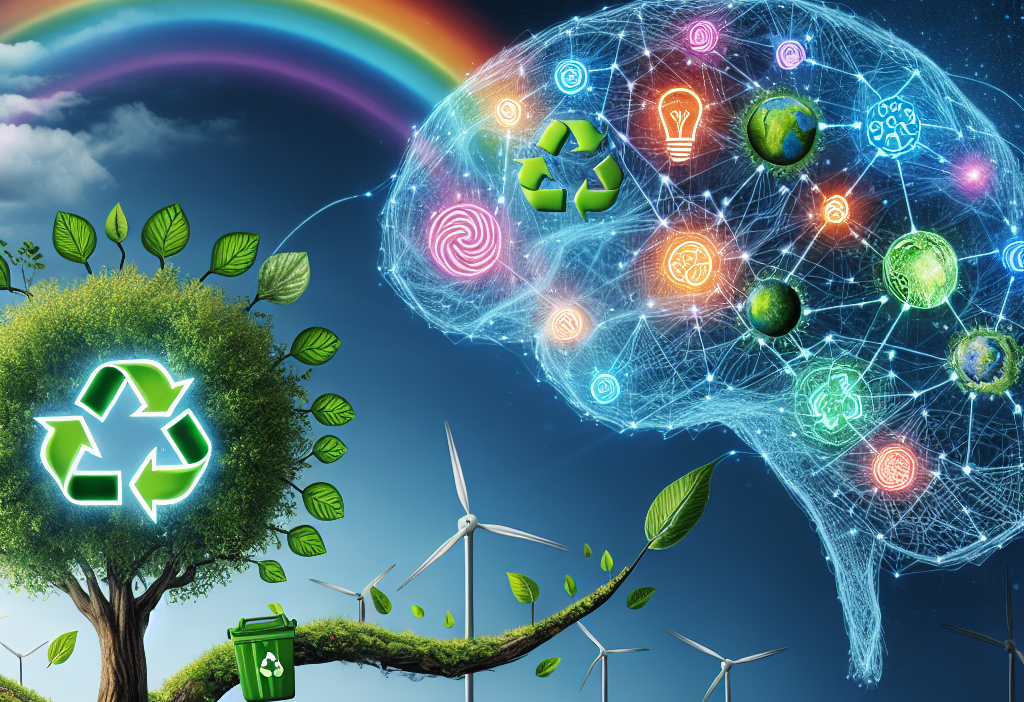
Imagine this: communities thriving not just economically, but also ecologically. They are lush with greenery, buzzing with wildlife, and are vibrant ecosystems where people and nature coexist in harmony. This vision isn’t just a fantasy; it can be our reality through effective environmental education. In this article, we will delve into Green Minds: The Role of Environmental Education in Building Sustainable Communities, exploring how education serves as the bedrock for cultivating eco-conscious citizens.
In an era where environmental crises loom large, understanding the impact of our actions is not just beneficial—it’s essential. But how do we foster a culture that prioritizes sustainability? This exploration will cover:
- The foundations and importance of environmental education.
- The principles behind building sustainable communities.
- Real-world applications of informed citizenry.
- Strategies for enhancing environmental education initiatives.
By the end, you will be equipped with insights and actionable takeaways to nurture green minds in your community. Let’s embark on this journey towards sustainability together! 🌱
Understanding Environmental Education
What Is Environmental Education?
Environmental education (EE) refers to a diverse range of educational strategies that develop knowledge, skills, and attitudes that are essential for creating a sustainable future. Its goal is to foster critical thinking and problem-solving abilities, encouraging individuals to engage actively in environmental issues.
Key Components of Environmental Education
Awareness and Understanding: Helping individuals comprehend ecological concepts, such as ecosystems, biodiversity, and human impact.
Skills Development: Equipping individuals with practical tools for conservation, such as sustainable gardening or waste management.
- Action-Oriented: Encouraging behaviors that promote sustainability, such as reducing energy consumption or engaging in community clean-up efforts.
Why Is Environmental Education Vital?
Empowering Communities: Knowledge leads to empowerment. By understanding environmental challenges, communities can take action to mitigate issues like pollution and resource depletion.
Cultivating Sustainable Practices: With education, community members can adopt eco-friendly habits that contribute to a healthier planet.
- Influencing Policy: Educated citizens are more likely to advocate for sound environmental policies that benefit everyone.
The Foundations of Sustainable Communities
What Constitutes a Sustainable Community?
A sustainable community is built on the principles of social equity, economic viability, and environmental stewardship. These communities prioritize well-being, resource conservation, and a shared vision for a healthier planet.
Pillars of Sustainable Communities
Environmental Stewardship: Actively managing natural resources, such as water and energy, to minimize ecological impact.
Social Equity: Ensuring that every community member has equal access to resources and opportunities, which strengthens social cohesion.
- Economic Viability: Promoting local businesses and sustainable practices that bolster the economy while caring for the environment.
How Environmental Education Bridges the Gap
Environmental education lays the groundwork for sustainable communities by educating residents about the interconnectedness of these pillars.
Awareness leads to action: When individuals understand their role in the ecosystem, they are more likely to engage in sustainable practices.
- Building Resilience: Educated communities are more adaptable to environmental changes and disasters.
Steps to Foster Environmental Education
1. Curriculum Integration
Integrating environmental education into school curricula can transcend traditional teaching methods and foster a generation of eco-conscious individuals.
Examples:
Hands-On Learning: Labs, field trips to nature reserves, and workshops on recycling enhance practical understanding.
- Interdisciplinary Approaches: Connecting science, social studies, and art promotes a holistic understanding of sustainability.
2. Community Workshops
Creating community programs focused on sustainability can significantly elevate environmental consciousness.
Execution Tips:
Local Partnerships: Collaborate with local environmental organizations to leverage expertise.
- Interactive Sessions: Use tools like gardening workshops, composting classes, and energy-efficient home improvement sessions.
3. Leverage Technology
Technology can amplify environmental education initiatives, reaching broader audiences and enhancing engagement.
Tools and Platforms:
Webinars and Online Courses: Make courses available online to reach individuals who may not have access to traditional education settings.
- Social Media Campaigns: Use platforms like Instagram and Twitter to raise awareness through shareable content and challenges.
Case Studies: Successful Environmental Education Programs
1. Eco-Schools Program
The Eco-Schools program exemplifies how educational institutions worldwide can lead in sustainability. This initiative empowers schools to engage in sustainability action, with a focus on:
- Waste reduction.
- Energy efficiency.
- Biodiversity.
Schools that participate report increased student engagement and community involvement.
2. Community Gardens
Community gardens serve as living laboratories where individuals gain hands-on experience in sustainable agriculture. Not only do they promote local food production, but they also enhance community ties and improve mental health.
- Example: The "Urban Roots" initiative in Detroit has transformed vacant lots into vibrant community spaces, providing education on gardening and nutrition, while strengthening social bonds.
Measuring Success in Environmental Education
Metrics and Indicators
To assess the effectiveness of environmental education programs, consider implementing:
Surveys: Gauge community knowledge pre- and post-program to measure improvement in awareness.
- Behavioral Tracking: Monitor changes in community practices, such as increased recycling rates or reduced pollution levels.
Celebrating Achievements
Highlighting successes can motivate continued engagement. This could include:
- Hosting community awards for sustainable initiatives.
- Sharing success stories on social media platforms.
Actionable Takeaways
Start Small: Initiate simple sustainability practices in your daily life and gradually encourage others to join.
Join or Form Community Groups: Engage with like-minded individuals to amplify your voice and impact.
- Advocate for Educational Programs: Lobby for environmental education in local schools and community centers to ensure future generations are equipped to champion sustainability.
Conclusion
The vision of a sustainable community is achievable through the power of environmental education. By fostering green minds, we empower individuals with the knowledge and tools necessary for creating lasting change.
As we strive towards a more sustainable future, remember: every small action contributes to the bigger picture. Let’s nurture our communities together, ensuring that we leave the planet in a better condition for future generations. Together, we can create a thriving, sustainable world for all. 🌍✨
FAQs
1. What age group benefits from environmental education?
Environmental education is beneficial for all ages, from preschoolers learning about nature to adults participating in community sustainability projects.
2. How can families get involved in environmental education?
Families can engage by exploring nature together, participating in local clean-up efforts, or supporting their children’s environmental learning.
3. What are the challenges to implementing environmental education?
Barriers may include funding, curriculum restrictions, and a lack of trained educators. Overcoming these challenges often requires advocacy and community support.
4. Are there specific programs for businesses to enhance environmental education?
Yes! Many organizations offer corporate training on sustainability practices, which can enhance employee engagement and corporate responsibility.
5. How does environmental education affect mental health?
Engagement with nature and sustainability practices has been shown to reduce stress, improve mood, and foster a sense of community belonging.
For more resources on building sustainable communities, feel free to explore related articles on myjrf.com. Together, let’s create a more sustainable and vibrant world!