Introduction
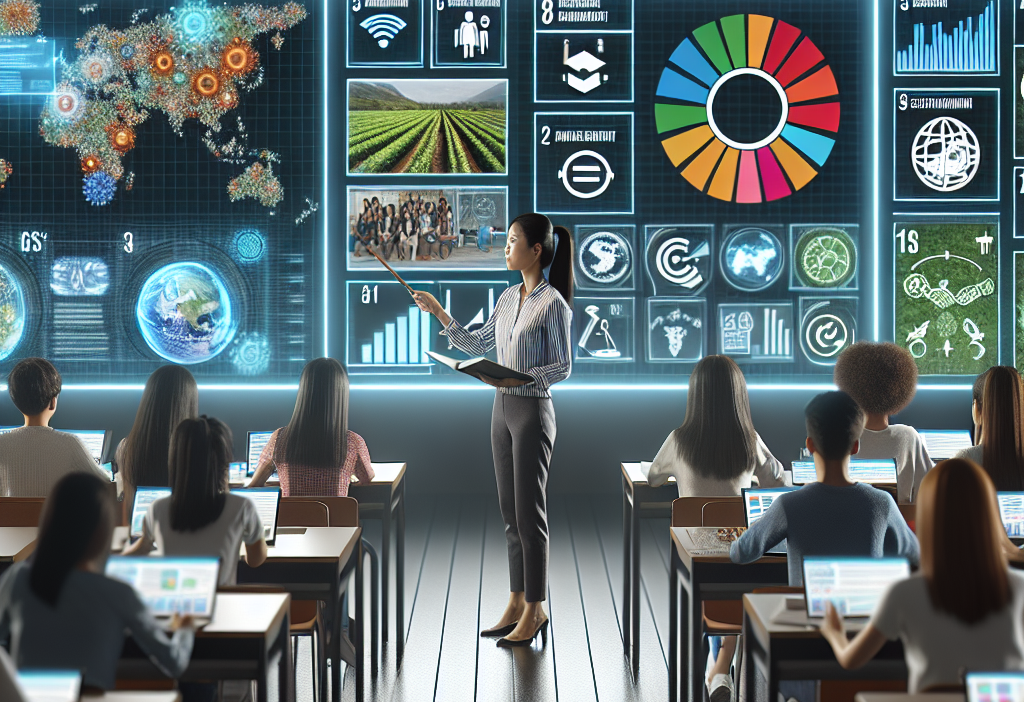
As we venture further into the 21st century, the challenge of environmental sustainability becomes increasingly urgent. The Sustainable Development Goals (SDGs), established by the United Nations in 2015, act as a universal call to action that seeks to end poverty, protect the planet, and ensure prosperity for all by 2030. However, the success of these ambitious goals hinges upon one critical factor: education. In this article, we will explore how to make our students "future-ready" by equipping them with the knowledge and skills needed to navigate and contribute to a sustainable world.
By engaging with the SDGs, educators, policymakers, and communities can cultivate a mindset of sustainability in future generations. This discussion will delve deep into how we can prepare students for global challenges, offering practical strategies and insights that can be implemented in educational settings.
Understanding the SDGs: A Foundation for Future-Readiness
The Sustainable Development Goals consist of 17 interconnected goals designed to address global challenges like poverty, inequality, climate change, environmental degradation, and peace and justice. The SDGs can serve as a framework for building an educational syllabus that emphasizes sustainability.
1. The Significance of Education in Achieving the SDGs
Education not only empowers individuals but also has a multiplier effect on socio-economic growth and environmental sustainability. According to UNESCO, every additional year of schooling can contribute a 10% increase in an individual’s wages. When aligned with the SDGs, education transforms students into proactive agents of change, fostering a global consciousness that promotes sustainable practices.
Key Pillars of Sustainability in Education
- Critical Thinking: Encourage students to question norms and think critically about solutions to sustainability challenges.
- Interdisciplinary Approach: Integrate science, social studies, and ethics to prepare students for complex problem-solving.
- Global Perspective: Help students understand their roles in a globally interconnected world where local actions can have far-reaching impact.
2. Curriculum Integration: Infusing SDGs into Learning Environments
To prepare students to tackle complex challenges, schools can innovatively incorporate SDGs into the curriculum. Here are some effective strategies:
Project-Based Learning: Design projects focused on real-world issues, encouraging students to put theory into practice. For example, a project on urban waste management could allow students to engage with local authorities, conduct audits, and develop actionable solutions.
Theme Days and Workshops: Organize events centered around specific SDGs (e.g., World Environment Day) to raise awareness and engage the community.
- Partnerships with NGOs: Collaborate with organizations working on SDGs to provide students with firsthand experience through internships or volunteer opportunities.
Visuals and Tables
Here’s a table summarizing the SDGs and their educational relevance:
| SDG | Goal | Education’s Role |
|---|---|---|
| SDG 4 | Quality Education | Universal access, critical thinking development |
| SDG 12 | Responsible Consumption and Production | Sustainable yet creative problem-solving techniques |
| SDG 13 | Climate Action | Activism, research on climate change impacts |
Engaging Students through Innovative Methods
Engagement is key to effective learning. Below are methods to foster student interaction in sustainability education.
3. Hands-On Learning Experiences
Practical learning experiences can significantly boost students’ enthusiasm and understanding of sustainability:
Gardening Programs: Establish school gardens where students can learn about local ecosystems, the importance of biodiversity, and sustainable agricultural practices.
- Field Trips: Organize field trips to nature reserves, recycling plants, or renewable energy facilities to give students real-world exposure to sustainability practices.
4. Incorporating Technology in Education
Using technology can make sustainability education more interactive and accessible. Various online learning tools can help empower students:
Educational Apps: Utilize apps focused on environmental challenges, such as carbon footprint calculators and recycling guides.
- Virtual Reality (VR): Implement VR technology to simulate environmental scenarios, providing immersive learning experiences that evoke emotional responses and deeper understanding.
Evaluation and Assessment of Sustainability Learning
To ensure that students grasp the concepts of sustainability, regular assessment is essential. However, traditional testing may not reflect their understanding.
5. Innovative Assessment Methods
Reflective Portfolios: Have students maintain portfolios documenting their learnings and community contributions related to SDGs.
Peer Assessments: Allow students to assess each other’s projects to ignite collaborative learning and critical thinking.
- Community Impact Projects: Evaluate students on the actual impact of their projects in the community, fostering a sense of ownership and accountability.
Creating a Culture of Sustainability within Schools
To become future-ready, schools must cultivate an organizational culture that prioritizes sustainability.
6. Training Educators in SDGs
Teacher training is crucial to equip educators with the necessary tools to teach about sustainability effectively. Professional development should include:
Workshops on SDGs: Educate staff about the SDGs and how they can be incorporated into existing curricula.
- Collaborative Planning: Encourage teachers across disciplines to collaboratively plan lessons that reflect sustainability themes.
7. Involving Parents and the Community
Education is a shared responsibility and involving parents and the broader community can amplify efforts:
Community Workshops: Host sessions focusing on sustainability practices at home, encouraging families to adopt sustainable lifestyles.
- Parent-Teacher Collaborations: Engage parents in school events centering on SDGs, ensuring the lessons extend beyond the classroom.
The Future of Sustainability Education
As we work towards making students future-ready, it is essential to foster an enduring commitment to sustainability.
8. Building Lifelong Skills
Education for sustainability is not just about acquiring knowledge; it’s about developing lifelong skills:
Emotional Intelligence: Teach students to empathize with global issues, motivating them to take action.
- Adaptability: Equip students with skills to adapt to changing circumstances in the workforce and the environment.
9. The Role of Policy in Supporting SDGs in Education
Encouraging policy changes can greatly enhance efforts towards integrating sustainability in education. Policymakers should:
Provide Funding: Allocate resources for sustainable school initiatives, such as green buildings or solar panels.
- Create Incentives: Develop incentive programs for schools that implement effective SDG curricula.
Conclusion
In an era where sustainability concerns are more pressing than ever, education holds the key to cultivating a generation that is not only aware but also equipped to tackle these challenges. By radiating the values of the Sustainable Development Goals into educational frameworks, we can ensure that our students are future-ready.
Motivational Insight:
As you consider how to implement these ideas, remember: "An investment in knowledge pays the best interest." — Benjamin Franklin. Let’s make the most of our ability to educate young minds, steering them toward a sustainable future.
FAQs
1. How can schools begin to implement SDGs?
Schools can start by reviewing their existing curriculum, identifying the relevant SDGs, and integrating them into various subjects and projects.
2. What role do parents play in sustainable education?
Parents can reinforce sustainability principles at home, participate in school activities, and support schools in achieving their sustainability efforts.
3. Are there specific resources for teachers on SDGs?
Yes! There are numerous online platforms and organizations that provide lesson plans, teaching resources, and professional development workshops focused on the SDGs.
4. How can technology aid in sustainability education?
Technology can provide immersive learning experiences, easy access to resources, and innovative tools for collaboration and research into sustainability issues.
5. What are the long-term benefits of educating students on SDGs?
Educating students on SDGs not only prepares them to contribute positively to global challenges, but it also fosters critical thinking, empathy, and adaptability, essential for future work environments.
By focusing on educational strategy, community involvement, and innovative approaches, we can create a nurturing environment for students to thrive and lead in a sustainable world.
For more resources and insights on sustainability education, visit My JRF.