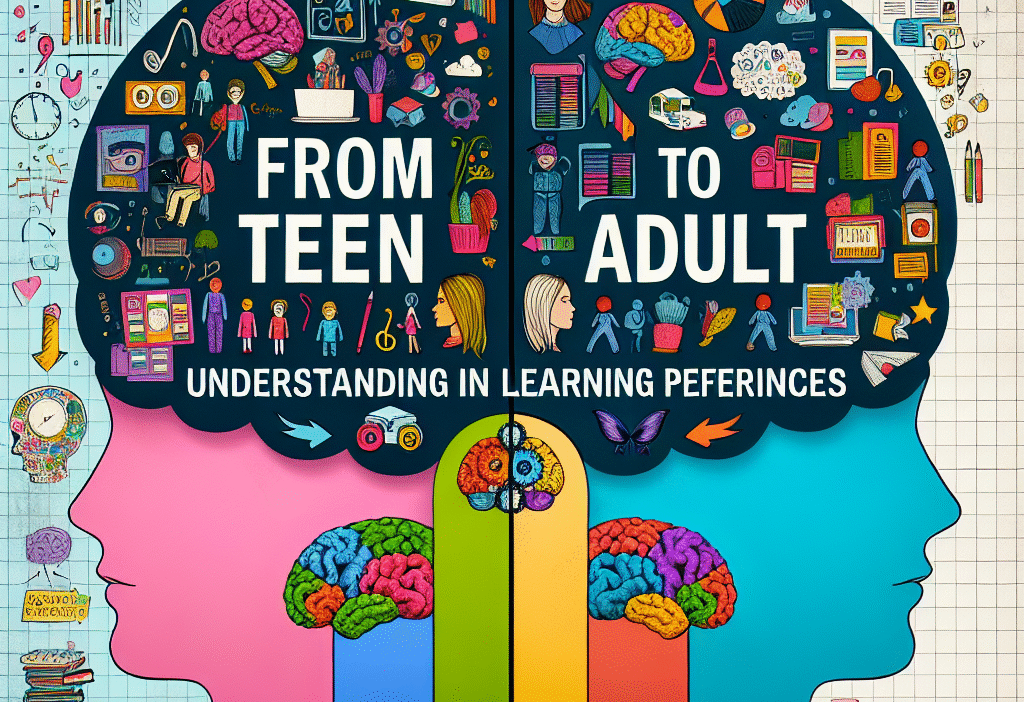
The journey from teenage years into adulthood is filled with transformative experiences, and one significant change that often goes unnoticed is the evolution of learning preferences. 🎓 As we transition from the impulsive curiosity of youth to the analytical reasoning of adulthood, how we absorb, process, and apply knowledge evolves dramatically.
In this comprehensive guide, From Teen to Adult: Understanding the Shift in Learning Preferences, we’ll delve deep into the various factors influencing these changes. We’ll explore the cognitive, social, and emotional dimensions of learning, providing you with insights and actionable takeaways. Whether you’re a parent, educator, or young adult navigating this transition, understanding these shifts can lead to more effective learning strategies and approaches.
The Importance of Understanding Learning Preferences
Understanding the shift in learning preferences from teen to adult is essential for numerous reasons:
- Enhanced Learning: Identifying effective learning strategies can lead to better education outcomes.
- Academic Success: Tailoring approaches based on evolving preferences can improve performance.
- Career Development: As adult learners, aligning strategies with work environments can foster professional growth.
- Personal Growth: Understanding how we learn allows for greater self-awareness and fosters lifelong learning.
Key Objectives
- Identify Learning Preferences: Explore what learning preferences are and how they change.
- Understand Influencing Factors: Delve into cognitive, social, and emotional influences.
- Explore Effective Strategies: Discover strategies that cater to changing learning preferences.
- Actionable Insights: Provide practical steps for adaptation and growth.
The Evolution of Learning Preferences
Understanding Learning Preferences 🎯
Learning preferences refer to the varied ways individuals like to receive and process information. The shift from adolescence to adulthood marks a significant transformation in these preferences due to several influencing factors:
- Cognitive Development: As we age, our brains undergo changes that enhance our ability to think critically and abstractly.
- Social Dynamics: Adult life introduces more diverse interactions, shaping how we learn from others.
- Emotional Maturity: Emotional intelligence develops, influencing how we relate to setbacks and successes in learning.
Factors Influencing the Shift
1. Cognitive Growth
During adolescence, brains are still forming, particularly in the prefrontal cortex, which is responsible for decision-making and reasoning. By young adulthood, cognitive capabilities advance, resulting in:
Improved Critical Thinking: Adults usually engage more in analytical thought rather than simple memorization. For example, a teen might study a concept just for a test, whereas an adult seeks to understand it for its practical application.
- Increased Information Processing: Adults can synthesize information from multiple sources more effectively than teens, leading to better conceptual understanding.
2. Social Interactions
The social landscape shifts dramatically during this transition:
Diverse Perspectives: Adults often learn from a broader array of viewpoints, drawing insights from collaboration and interaction.
- Role of Mentors: The search for mentorship in adulthood can profoundly impact learning approaches. Teens might rely predominantly on peers, while adults often seek guidance from experts.
3. Emotional Intelligence
As individuals transition to adulthood, there is often a marked improvement in emotional regulation:
Resilience: Adult learners may adopt a growth mindset, viewing challenges as opportunities for learning rather than obstacles.
- Self-Directed Learning: An increase in self-motivation is common, with adults taking initiative in their learning pathways, unlike many adolescents who may depend heavily on formal instruction.
Key Shifts in Learning Preferences
Autonomous Learning vs. Structured Learning 🗓
Teens often thrive in a structured learning environment with plenty of guidance. In contrast, adults usually prefer a more autonomous learning style:
Structured Learning: Learning settings with clear guidelines and support work well for teens. For example, a high school classroom with guided instruction may foster better performance.
- Self-Directed Learning: Adults benefit from autonomy in seeking resources. For instance, online courses allow adults to learn at their own pace, tailoring the experience to their personal preferences.
Practical Knowledge Application 📚
The desire for practical application becomes more prominent in adulthood:
Real-World Relevance: Adults lean towards learning methodologies that relate directly to their professional lives. Workshops focused on specific skills are often more appealing than traditional academic courses.
- Experiential Learning: Learning through experience—such as internships or simulations—becomes a highly preferred strategy for adult learners.
Collaboration vs. Individual Learning 🤝
The preference for collaborative versus individual learning shifts between these two stages:
Collaborative Projects: While teens often engage in group projects primarily for social reasons, adults recognize the value of collaboration for idea exchange and deepening understanding.
- Independent Study: Adult learners may prioritize solitary exploration, focusing on personal interests or professional development while leveraging social learning tools when needed, such as forums or study groups.
Strategies to Cater to Evolving Learning Preferences
For Teens: Nurturing a Growth Mindset
Encouragement of Exploration: Encourage teens to pursue interests beyond the classroom to cultivate a passion for learning. Let them join clubs, participate in competitions, or volunteer in community projects.
Diverse Learning Modalities: Use varied teaching methods, including visual aids, practical activities, and technology integration, to accommodate differing preferences.
- Feedback and Reflection: Regular feedback coupled with reflective practice can shift their focus from grades to genuine understanding and improvement.
For Young Adults: Emphasizing Autonomy and Application
Flexible Learning Environments: Offer alternatives such as online courses, self-paced learning modules, or attendance at workshops tailored to their career goals.
Real-World Applications: Encourage adults to engage in projects that relate to their current jobs or future aspirations. This relevance drives motivation and effective learning.
- Networking Opportunities: Organize collaborative learning experiences where adults can network with each other, share insights, and contribute to group learning strategies.
Building Emotional Intelligence for Lifelong Learning
Both teens and adults can benefit from improved emotional intelligence by:
Mindfulness Practices: Introduce mindfulness techniques that promote self-awareness and emotional regulation, which can enhance their learning capacity.
- Resilience Training: Programs focused on coping strategies can help learners manage stress and setbacks, transforming challenges into learning opportunities.
Tools and Resources for Enhanced Learning
Online Learning Platforms
Coursera and edX: Offer courses from world-renowned universities, allowing adults to learn at their own pace on topics related to personal and professional interests.
- Khan Academy: Provides a user-friendly platform for teens to explore subjects through interactive exercises and instructional videos.
Collaborative Learning Tools
Slack and Trello: Encourage project management and collaboration among groups of adult learners, facilitating efficient communication and progress tracking.
- Discord: Originally for gaming, it has evolved into a powerful platform for study groups and collaborative learning environments.
Emotional Intelligence Development
- Mindfulness Apps: Tools like Headspace or Calm can guide both teens and adults in building emotional resilience through meditation and mindfulness practices.
Conclusion: Navigating the Transition from Teen to Adult Learning
Understanding the transition from teen to adult requires an appreciation of the changing landscape of learning preferences. This process is driven by cognitive growth, social interactions, and emotional maturity. By being aware of these shifts, both individuals and mentors can cultivate strategies that foster effective learning throughout life.
💡 To thrive in our endeavors, remember the famous quote by Albert Einstein: "Education is not the learning of facts, but the training of the mind to think." As you navigate this shift, let your curiosity and adaptability guide you.
FAQs About Learning Preferences
1. How do I know what my learning preference is?
- Engaging in self-assessment tools, observing which methods resonate most with you, or seeking feedback can clarify your learning style.
2. Are learning preferences fixed?
- No, they can evolve over time due to various factors including age, experiences, and personal interests.
3. What are some effective strategies for adult learners?
- Incorporate autonomy in learning, seek real-world applications, and prioritize ongoing skills development that aligns with career goals.
4. Can learning preferences change?
- Absolutely! As one encounters different environments and experiences, learning preferences can shift.
5. How can I support a teen’s learning journey?
- Encourage exploration and diverse learning methods while providing constructive feedback to foster a growth mindset.
By bookmarking this guide and internalizing these insights, you empower yourself to navigate the fascinating shift in learning preferences from teen to adult effectively. 📚✨ For additional resources, feel free to explore MyJRF and enhance your learning journey further!