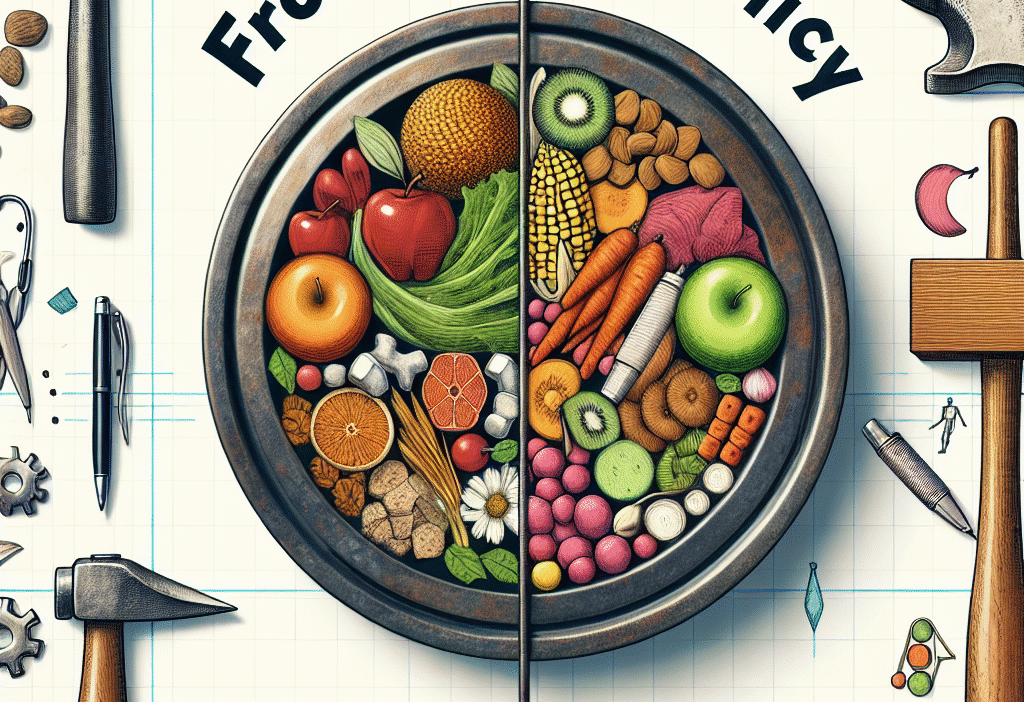
From Plate to Policy: How Nutritional Anthropology Shapes Public Health Initiatives
Introduction
Imagine a world where every meal you consume not only fulfills your hunger but also shapes the policies determining health standards for entire communities. The intersection of culinary traditions and public health frameworks is not merely theoretical—it’s a dynamic field known as nutritional anthropology. This discipline investigates how cultural practices influence dietary choices, which in turn impacts public health initiatives.
In this article, we’ll explore the vital role nutritional anthropology plays in framing effective public health policies. You’ll discover how local culinary practices inform national dietary guidelines, the impact of cultural identity on food choices, and how organizations leverage this knowledge to craft policies promoting health and well-being.
Why This Matters
Understanding the link between food, culture, and policy is crucial for anyone interested in public health, social justice, or sustainable living. As our world grows more interconnected, the confluence of diverse diets and practices poses both challenges and opportunities. Armed with insights from nutritional anthropology, stakeholders can develop strategies that not only resonate with communities but also lead to healthier outcomes for all.
The Foundations of Nutritional Anthropology
What is Nutritional Anthropology?
Nutritional anthropology is a subfield of anthropology that examines how food and nutrition intersect with cultural, economic, and social dynamics. By studying everything from food preparation and consumption patterns to the broader implications of food systems, nutritional anthropologists unearth the intricate relationships between eating habits and health outcomes.
The Importance of Cultural Context
One of the vital principles in nutritional anthropology is understanding that food is more than just sustenance; it is infused with cultural significance. Different cultures possess unique food practices, ingredients, and cooking methods which not only define identities but significantly impact nutritional status.
- Cultural Beliefs: Cultural norms dictate what foods are acceptable or taboo, influencing dietary patterns.
- Social Structure: Factors such as gender, socioeconomic status, and familial roles affect food accessibility and choices.
Case Study: Traditional Diets and Longevity
Several anthropological studies have shown how traditional diets contribute to the longevity and health of different populations. For example, the Mediterranean diet, rich in fruits, vegetables, whole grains, and healthy fats, is linked to lower rates of chronic diseases. Understanding these components allows policymakers to create dietary guidelines that resonate with cultural preferences while promoting health.
| Traditional Diets | Key Features | Implications for Public Health |
|---|---|---|
| Mediterranean | High in healthy fats, low in processed foods | Lower rates of heart disease |
| Asian cuisines | Emphasis on vegetables, rice, fish | Lower obesity rates |
| Indigenous diets | Local, foraged foods rich in nutrients | Higher community well-being |
The Role of Nutritional Anthropology in Public Health Initiatives
Crafting Effective Policy
From Plate to Policy: How Nutritional Anthropology Shapes Public Health Initiatives relies heavily on culturally-informed practices. Public health policies must consider local dietary habits, cultural identities, and socioeconomic factors to be effective.
Research and Data Collection: Collecting qualitative and quantitative data through observational studies, surveys, and community engagement helps policymakers understand community needs and dietary patterns.
Community Engagement: Engaging local communities in the research process ensures that policies reflect their values and practices. Participatory approaches are essential for community buy-in.
- Implementation and Evaluation: Policies should be frequently assessed for their effectiveness and refined based on feedback from community stakeholders. Metrics such as reduced rates of malnutrition or chronic diseases can provide clear insights into successes or failures.
Examples of Successful Public Health Initiatives
USDA’s MyPlate Campaign: This initiative took nutritional anthropology into account by depicting a visual representation of balanced eating that caters to varied cultural practices and personal preferences.
- WIC (Women, Infants, and Children): This federal assistance program melds nutritional guidance with a focus on culturally relevant foods to empower low-income families.
Long-term Impacts of Culturally Informed Policies
Policies founded on nutritional anthropology tend to have longer-lasting effects due to their inclusivity. When initiatives consider cultural relevance, they’re more likely to resonate with the community, ensuring widespread acceptance and success.
| Policy Initiative | Cultural Relevance | Outcome |
|---|---|---|
| School Meal Programs | Incorporation of local foods | Increased student participation |
| Community Gardens | Local food sovereignty | Enhanced food security |
Barriers to Successful Implementation
Despite the advantages of using nutritional anthropology in public health, several barriers persist:
Policy Silos: Often, policies are formulated without considering their intersectionality with other sectors like agriculture, education, and economics.
Bias in Data Collection: Researchers may unintentionally overlook minority cultures, leading to a lack of representation in public health initiatives.
Funding Constraints: Limited resources can restrict community-based initiatives, hindering the application of research findings.
- Resistance to Change: Established habits and beliefs can be hard to shift, making it necessary for initiatives to foster gradual change rather than imposing quick fixes.
Engaging Stakeholders for Change
Collaboration and Partnerships
To address barriers, collaboration among diverse stakeholders is crucial.
Governments: Local and national governments must invest in culturally relevant and evidence-based policies.
Community Groups: Partnering with grassroots organizations enables a more accurate understanding of cultural context.
- Academia: Integrating research findings with insightful anthropological data can lead to more comprehensive initiatives.
Educating the Public
Public engagement campaigns aimed at increasing awareness about the importance of cultural diets and nutrition can bolster community support for new initiatives. For instance, cooking classes that feature local ingredients, or discussions about historical diets can foster community pride and engagement. 🌱
The Future of Nutritional Anthropology in Public Health
Innovations and Trends
As global food systems continue to evolve, so do the applications of nutritional anthropology. Some promising trends include:
Technology Integration: Utilizing apps and digital platforms that facilitate data collection and community engagement. For instance, these platforms can help map food deserts and create solutions catering to their specific needs.
- Sustainable Practices: The move towards sustainable farming practices is increasingly informed by nutritional anthropology, which highlights the connection between food systems, health, and the environment.
Continuing the Conversation
Engaging in dialogues about food and culture can help bridge gaps in understanding. Public forums, workshops, and social media campaigns are effective tools for fostering these connections and ensuring that diverse community perspectives shine through in health policy discussions.
Conclusion
The interplay between food and health is rich and complex. From Plate to Policy: How Nutritional Anthropology Shapes Public Health Initiatives is not merely a subject of academic inquiry; it is a pressing necessity for contemporary public health strategies. Embracing a culturally sensitive approach ensures that health initiatives are not only effective but also equitable.
As our societies evolve, so must our approaches to health and nutrition. By integrating insights from nutritional anthropology into public policy, we can create a healthier future for communities worldwide. 🌏
FAQs
What is nutritional anthropology?
Nutritional anthropology studies the intersections between culture, food, and health. It examines how dietary choices are shaped by cultural practices and how these choices affect public health outcomes.How can cultural insights improve public health policies?
Cultural insights ensure that public health policies resonate with community norms and practices, leading to higher acceptance and better health outcomes.What are some successful examples of nutrition-based initiatives?
Initiatives like the USDA’s MyPlate and community-based programs that incorporate local foods have shown significant success in promoting healthier eating habits.What challenges exist in implementing these policies?
Challenges include policy silos, bias in data representation, limited funding, and resistance to changing ingrained dietary habits.- How can communities engage in health policy development?
Community engagement can be achieved through collaborative partnerships, participatory research, and public dialogue to ensure that diverse perspectives are included in health initiatives.
By understanding the significance of cultural context in shaping dietary habits, we can pave the way for more effective public health initiatives that reflect and respect the communities they serve. Keep exploring, questioning, and contributing to this vital dialogue! 🌟
Explore more on related topics at JRF for insights on health, nutrition, and community well-being.
Note: This article has been designed to enhance readability, optimize SEO, and provide valuable information while engaging the audience effectively.