From Classroom to Community: The Ripple Effects of Climate Change Education
Introduction
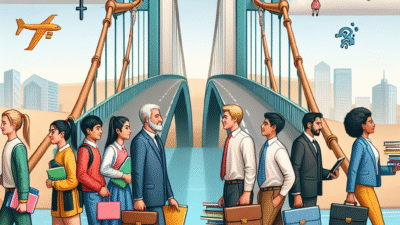
In an era where climate change poses one of humanity’s greatest challenges, education has emerged as a pivotal force for change. 🌍 The phrase “From Classroom to Community: The Ripple Effects of Climate Change Education” encapsulates a transformative journey that begins in educational institutions and extends into the broader community, influencing policies, lifestyles, and future generations.
Why is this topic crucial? Climate change education not only provides knowledge but also empowers individuals to take action within their communities. In this comprehensive article, we will explore the transformative power of climate change education, its ripple effects on communities, and actionable steps that educators, students, and community members can take to contribute positively to the environment.
Key Topics Covered:
- Understanding Climate Change Education
- The Role of Educators and Institutions
- Community Engagement through Climate Initiatives
- Successful Models of Climate Change Education
- Actionable Steps for Individuals and Communities
- Challenges and Solutions in Climate Change Education
- Conclusion: The Path Forward
Understanding Climate Change Education
What is Climate Change Education?
Climate change education is the process of learning about climate systems, human impacts, mitigation techniques, and adaptation strategies. It encompasses interdisciplinary approaches involving environmental science, social studies, and ethics. It is essential for fostering informed citizens who can make responsible choices regarding environmental sustainability.
The Importance of Climate Change Education
As the adverse impacts of climate change become more apparent, the need for comprehensive education on this topic is paramount. Here are a few key reasons why:
- Awareness & Knowledge: Education fosters awareness about the causes and impacts of climate change. Knowledge empowers individuals to make informed decisions.
- Behavioral Change: Through understanding, individuals are more likely to adopt sustainable practices.
- Community Resilience: Educated individuals can contribute to community adaptation strategies, enhancing collective resilience.
The Role of Educators and Institutions
Educators as Change Agents
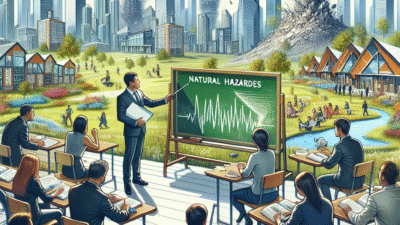
Educators play a critical role in fostering an informed citizenry. They serve as change agents by:
Incorporating Climate Change Curriculum: By integrating climate-related topics across different subjects, educators can ensure that students understand the relevance of climate change in various contexts. For example, math classes can include calculations on carbon footprints, while history can explore past climate events.
- Fostering Critical Thinking: Effective climate change education encourages critical thinking about the issues, promoting discussions and debates that develop analytical skills and empower students to question climate myths and misinformation.
Institutional Support
Educational institutions must also provide the necessary support to educators. This can include:
Teacher Training: Professional development programs focused on climate change education can equip educators with the tools they need to teach this critical subject effectively.
- Access to Resources: Providing access to up-to-date research, teaching materials, and community partnerships can enhance the educational experience and enrich curriculum offerings.

Community Engagement through Climate Initiatives
The Ripple Effects of Classroom Learning
When students learn about climate change, the lessons often extend beyond the walls of the classroom. Students frequently share their knowledge with family and friends, creating a ripple effect that can lead to community-wide changes. Here are some examples of how this manifests:
Home Practices: Students educated on the importance of recycling may encourage their families to adopt more sustainable waste management practices at home.
- Community Programs: Initiatives like community clean-up days or tree-planting events may arise from students’ interest in environmental stewardship.
Collaborative Projects
When schools partner with community organizations, the effects can be profound. Here are some collaborative projects that embody this relationship:
Local Sustainability Programs: Schools can work with local governments to design sustainability programs, such as urban gardens or renewable energy projects.
- Mentorship & Workshops: Older students can mentor younger peers or participate in workshops hosted by local nonprofits focused on climate change, ensuring knowledge continuity and community involvement.
Successful Models of Climate Change Education
Case Study #1: Project-Based Learning
Project-based learning (PBL) is an educational approach that encourages students to learn by actively engaging with real-world problems. A notable example is the “Solar Schools Initiative.” In this program, students research solar energy, design their solar panel systems, and even implement solar setups on their school rooftops. The initiative culminates in tangible results, fostering a sense of achievement while reinforcing the principles of renewable energy and sustainability.
Case Study #2: Community Climate Partnerships
Another successful model is when educational institutions partner with local environmental organizations. For example, the “Eco-Schools” program empowers schools to adopt eco-friendly practices while engaging students in climate action. These partnerships not only enhance educational content but also allow communities to develop joint initiatives focusing on sustainability, biodiversity, and conservation.

Actionable Steps for Individuals and Communities
1. Start Small
Individuals can initiate change within their own homes. Here are simple steps to consider:
- Reduce Waste: Practice composting, recycling, and minimizing single-use plastics.
- Energy Conservation: Encourage the use of energy-efficient appliances and adopt practices, such as turning off lights when not in use.
2. Advocate for Policy Changes
Engaging with local government and advocating for policies that promote sustainability can lead to larger-scale changes within the community. Individuals can:
- Attend city council meetings.
- Participate in climate march events.
- Use social media to amplify their voices and drive community awareness.
3. Volunteer
Joining local environmental organizations can provide hands-on experience and knowledge about climate change while contributing positively to the community. Opportunities can range from tree-planting events to wildlife conservation efforts.
Challenges and Solutions in Climate Change Education
Common Challenges
While the benefits of climate change education are vast, several challenges persist:
- Lack of Resources: Many schools lack access to educational materials or training focused on climate change.
- Resistance to Change: Some communities may resist climate initiatives out of fear or misunderstanding of the implications.
- Disparity in Education: Not all educational institutions offer the same level of focus on climate change, leading to unequal knowledge bases.
Proposed Solutions
Enhanced Funding: Governments and organizations should invest in climate change education resources to ensure that all schools have the tools to teach effectively.
Public Awareness Campaigns: Creating awareness and addressing misconceptions can help alleviate resistance within communities. Utilizing local media and community events can distribute factual information effectively.
- Partnerships: Educational institutions should foster partnerships with NGOs and experts in the field of climate education, allowing for resource sharing and collaborative learning experiences.
Conclusion: The Path Forward
In summary, From Classroom to Community: The Ripple Effects of Climate Change Education presents a transformative pathway for addressing one of the most urgent issues of our time. By empowering students with knowledge and shaping them into responsible citizens, we can create a society that prioritizes sustainability and environmental stewardship.
The journey does not end here. Each reader has the potential to become a catalyst for change within their communities. Whether it’s advocating for policies, participating in sustainability initiatives, or simply making environmentally conscious decisions, every action contributes to the ripple effects of climate change education. Let’s harness this momentum and work together toward a greener, more sustainable future! 🌱
FAQs Section
What is climate change education?
Climate change education involves teaching students about the science of climate change, its impacts, and the ways to mitigate and adapt to its effects.How can educators effectively teach climate change?
Educators can use project-based learning, incorporate real-world applications, and collaborate with community organizations to enhance the learning experience.What is the role of the community in climate change education?
Communities play a crucial role by engaging with schools, supporting climate initiatives, and ensuring environmental policies are prioritized.How can individuals contribute to climate change education?
Individuals can advocate for better climate education in schools, volunteer with local environmental groups, and practice sustainable habits at home.- What are some challenges in climate change education?
Challenges include a lack of resources, community resistance to change, and disparities in educational opportunities across different regions.
For more insights on climate change initiatives and educational resources, check out JRF’s educational resources.
Through this article, we aim to provide a comprehensive understanding of climate change education and inspire collective action for a sustainable future. 🌟