Introduction
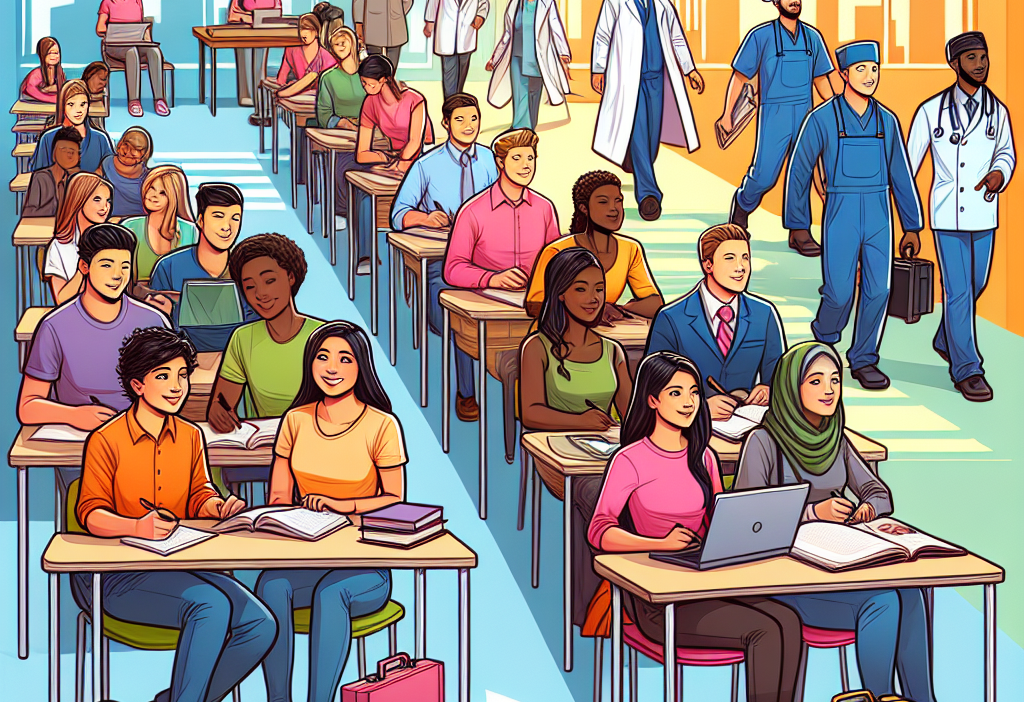
In today’s rapidly changing job market, the demand for skilled professionals has never been greater. As traditional education paths become less aligned with industry needs, vocational education stands out as a crucial pathway to success. From Classroom to Career: How Vocational Education is Shaping Futures is not just a catchy phrase; it encapsulates the transformative journey that countless individuals take when they opt for vocational training. In this comprehensive article, we will delve into how vocational education is bridging the gap between schooling and employment, enhance your understanding of its significance, and provide actionable insights on making the most out of vocational education pathways.
Why Focus on Vocational Education?
Vocational education equips students with specific skills and knowledge required for particular trades or occupations. This hands-on approach not only promotes job readiness but also fosters economic growth by developing a skilled workforce. According to the National Center for Education Statistics, vocational education graduates often have better job prospects and higher earning potential than their peers pursuing traditional academic routes.
The Evolution of Vocational Education
Historical Context
Vocational education has deep roots, dating back to ancient societies where apprenticeships were the norm. In the 20th century, with the industrial revolution underway, vocational schools began to emerge, focusing on trades like carpentry, plumbing, and machinery. Today, the landscape has evolved, incorporating newer fields such as information technology, healthcare, and sustainable energy.
Modern-day Relevance
As economies shift and technology advances, the role of vocational education becomes increasingly essential. With an increased emphasis on STEM (Science, Technology, Engineering, and Mathematics) careers, vocational programs are adapting by introducing more technical courses. This evolution is pivotal in ensuring that graduates are job-ready, thus easing their transition from classroom to career.
Key Benefits of Vocational Education
1. Hands-on Learning
Vocational education provides a structured environment for students to practice skills they will use in the field. From extensive lab work in culinary arts to real-world scenarios in healthcare, hands-on experiences solidify learning.
Key Insight: Engaging in practical applications enhances understanding and retention, making students more adept in their fields.
2. Shorter Timeframe
Typically, vocational programs can be completed in less time than traditional degree programs. Many vocational courses take only a year or two, allowing students to enter the workforce sooner.
Tip: Look for accelerated programs or evening classes to fit your schedule while expediting your career path.
3. Lower Costs
Vocational training is often more affordable than a four-year degree. Lower tuition fees, combined with the ability to start earning sooner, make vocational education an economically viable option.
Statistic: According to the U.S. Department of Education, vocational training costs are approximately 40% less than traditional higher education.
4. High Employment Rates
Vocational graduates typically face lower unemployment rates. In high-demand fields such as electrical work or plumbing, job placement rates can soar above 90%.
5. Pathways to Further Education
Vocational education is not a dead-end street; many programs offer pathways to higher education. Students can earn credits towards an associate’s degree or even a bachelor’s in their field of choice.
Popular Fields in Vocational Education
Healthcare
Programs in this field range from nursing to dental hygiene. The robust demand for healthcare professionals means that vocational education options in this sector are not only rewarding but also secure.
Information Technology
As businesses increasingly rely on technology, IT vocational programs are immensely popular. Skill areas can vary from software development to network security.
Trade Skills
Construction, automotive technology, and manufacturing are crucial areas where vocational education excels. These fields require specialized knowledge, making vocational training indispensable.
Culinary Arts
This sector offers an exciting opportunity for those passionate about cooking and hospitality. Vocational schools provide extensive training in culinary techniques, management, and marketing.
Transitioning from Classroom to Career: A Step-by-Step Guide
Step 1: Research Programs
Before committing, explore various vocational programs that match your interests and career goals. Check program reviews, job placement rates, and curriculum details.
Step 2: Visit Campuses
If possible, visit campuses to interact with faculty and current students. This firsthand experience can provide valuable insights into the program environment.
Step 3: Financial Planning
Look at the costs associated with your chosen program, including tuition, materials, and potential financial aid options.
Step 4: Networking and Internships
Utilize any networking opportunities provided by your school. Internships can offer practical experience and valuable contacts within your field.
Step 5: Skill Development
Continuously work on developing both hard and soft skills. Consider taking workshops or additional courses that can enhance your employability.
Remember: Soft skills like communication and teamwork are often just as important as technical skills.
Vocational Education and Industry Partnerships
Collaboration with Employers
One of the most significant advantages of vocational training is its ties to industry. Many programs collaborate with local businesses to ensure curricula meet current job market demands. This partnership not only promotes job placement but also strengthens local economies.
Guest Lectures and Workshops
Some vocational schools invite industry experts for guest lectures or workshops. This not only enhances learning but also opens doors for student internships and employment.
Real-world Projects
Many programs incorporate real-world projects into their curriculum. Students get hands-on experience while businesses benefit from fresh ideas and enthusiasm.
Overcoming Challenges in Vocational Education
Stigma Around Vocational Training
One of the biggest challenges facing vocational education is the stigma that it is a lesser alternative to traditional college. This perception can deter potential students from choosing meaningful vocational paths.
Solution: Education about the benefits and career success stories can help shift this mindset.
Funding and Resources
Many vocational institutions operate with limited funding, which can impact the quality of education and resources available.
Tip: Advocate for better funding and explore scholarships or grants to support vocational education initiatives.
Keeping Up with Technology
As technology evolves, vocational programs must adapt their curricula to stay relevant. This ongoing need for development can be resource-intensive.
Response: Continuous curriculum evaluations and partnerships with tech firms can provide the necessary updates.
Conclusion
As we’ve explored in this article, From Classroom to Career: How Vocational Education is Shaping Futures highlights the vital role vocational education plays in bridging the gap between education and employment. With benefits like hands-on learning, affordability, and strong job placement rates, it’s clear that vocational training is an essential step for numerous individuals pursuing specific careers.
Actionable Insight: Whether you’re a student, a parent, or an educator, consider the transformative power of vocational education. Embrace it as a legitimate pathway to personal and professional success.
FAQs
1. What types of careers can I pursue with vocational education?
You can pursue careers in healthcare, IT, trades, culinary arts, and many other fields. These programs are tailored to meet industry needs.
2. How long does vocational training typically take?
Most vocational programs can be completed in one to two years, allowing students quick entry into the workforce.
3. Are vocational programs less respected than four-year degrees?
While there can be stigma, many employers value the specific skills vocational graduates bring to their organizations.
4. What financial aid options are available for vocational education?
Many institutions offer scholarships, grants, and payment plans to help students finance their education. Check with your program for specific options.
5. Can vocational education lead to further education?
Yes! Many vocational programs offer credits that can be transferred toward an associate’s or bachelor’s degree, creating pathways for further learning.
By focusing on the transformative journey from classroom to career, vocational education stands as a pivotal solution to today’s employment challenges. Whether you’re considering vocational training yourself or advocating for it within your community, remember that education in any form is a powerful tool for shaping futures.