Introduction
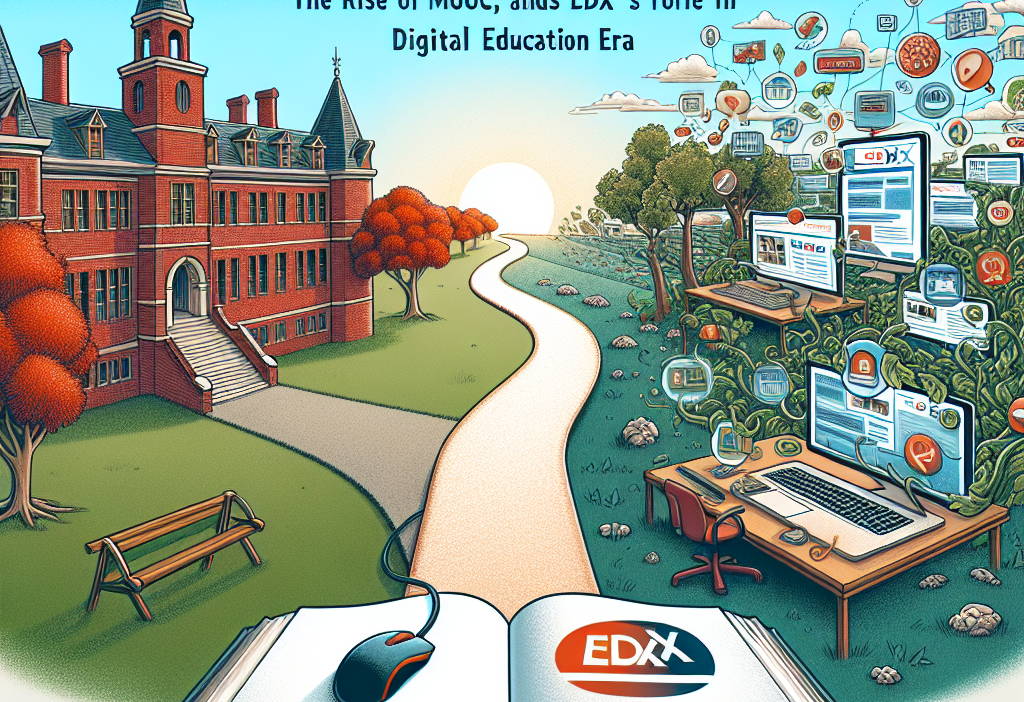
In an era where digital transformation has permeated every aspect of life, education is undergoing a profound revolution. The emergence of Massive Open Online Courses (MOOCs) symbolizes a monumental shift from traditional classroom settings to more flexible, online learning platforms. As the demand for accessible education surges, platforms like edX have positioned themselves as leaders in this digital education era. This article delves into the intricacies of MOOCs, highlighting edX’s pivotal role, and explores how this transition from "Campus to Clicks" is shaping the future of learning.
The Importance of Understanding MOOCs
Understanding the rise of MOOCs and platforms like edX isn’t merely beneficial; it’s essential for educators, students, and industry professionals alike. In this comprehensive piece, we will cover the evolution of MOOCs, key features of edX, the benefits and challenges of online learning, and actionable takeaways to navigate this educational landscape effectively.
The Rise of MOOCs: A Brief Historical Context
1. What Are MOOCs?
MOOCs, or Massive Open Online Courses, are online courses aimed at unlimited participation and open access via the web. They offer a flexible learning model that combines asynchronous content, collaborative learning, and often free or low-cost enrollment. 🌐
2. Early Days of MOOCs
The concept of MOOCs began to take shape in the early 2000s, primarily through platforms such as Coursera, Udacity, and, notably, edX, which was founded in 2012. Initially rooted in university-level education, MOOCs expanded to include various subjects, catering to learners worldwide.
3. edX: A Game-Changer in Online Education
Founded by Harvard University and the Massachusetts Institute of Technology (MIT), edX was designed to deliver high-quality education to learners globally. This nonprofit platform showcases courses from top universities and institutions, democratizing education by making it accessible to everyone, regardless of geographic or financial barriers.
The Features of edX: Leading from the Frontline
1. High-Quality Course Offerings
edX partners with various prestigious institutions, allowing learners to access courses created by renowned educators. The platform encompasses a diverse range of subjects, from computer science to philosophy, making it appealing to a broader audience. 📚
2. Flexible Learning Environment
One of the standout features of edX is its commitment to flexibility. Learners can study at their own pace, viewing course materials whenever it suits them best. This adaptability caters to working professionals, parents, and anyone balancing multiple responsibilities.
3. Interactive Learning Solutions
edX encourages active participation through interactive elements like quizzes, forums, and peer-reviewed assignments. These components not only enrich the learning experience but also foster a sense of community among learners.
4. Verified Certifications
For learners seeking formal recognition of their efforts, edX offers verified certificates upon completing specific courses. These credentials, recognized by employers, can be crucial in enhancing one’s resume and career opportunities.
The Benefits of MOOCs and edX for Learners
1. Accessibility and Inclusivity
- Global Reach: With MOOCs, learners from diverse backgrounds can access quality education regardless of their location.
- Cost-Effective Solutions: Many courses are free or available at a fraction of traditional tuition costs, breaking down economic barriers to education.
2. Customizable Learning Experiences
Many learners flourish in non-traditional environments. MOOCs allow individuals to:
- Choose courses that align with their interests and career goals.
- Control their study pace and schedule, making learning more enjoyable and effective.
3. Networking Opportunities
While physical classes can often feel isolated, MOOCs provide a platform for networking. Learners from various backgrounds can share experiences, collaborating within discussion forums, cultivating valuable connections in their fields. 🤝
Challenges Faced by MOOCs and edX Users
1. Self-Motivation
Online learning requires significant self-discipline. Without the structured environment of a classroom, some learners may struggle to stay engaged or complete their courses.
2. Digital Divide
While MOOCs aim for inclusivity, not all learners have equal access to the necessary technology or internet connectivity, which can limit participation for marginalized groups.
3. Credential Recognition
Despite the rise of online learning, some employers may still value traditional degrees over online certificates. This disparity can deter potential learners from enrolling in MOOCs.
Best Practices for Maximizing Your MOOC Experience
1. Create a Structured Learning Schedule
Tip: Allocate specific times in your week dedicated solely to learning.
Setting a realistic timetable will keep you motivated and on track to complete your courses.
2. Engage with Fellow Learners
Tip: Participate in discussion forums and group projects.
Collaboration can enhance your understanding and retention of course material. 🌟
3. Set Clear Goals
Tip: Define what you want to achieve from your MOOC experience.
Whether gaining a new skill or exploring a subject, having a clear goal will keep you focused and determined.
edX and the Future of Digital Learning
1. Evolution of Course Delivery
As technology advances, edX and other platforms are continually innovating. The implementation of AI and machine learning may soon allow for personalized learning pathways that adapt to individual students’ needs and preferences.
2. Integration with Industry Needs
edX strives to keep course content relevant by collaborating with industry professionals and keeping its curriculum aligned with the evolving job market. This ensures that learners are equipped with skills that employers desire.
3. The Rise of Microcredentials
Short, focused courses that deliver specialized knowledge—referred to as microcredentials—are becoming more popular. edX is leading the way in this area, offering stackable credentials that empower learners to build towards a larger qualification.
Conclusion
The transition from traditional education to online learning embodies a seismic shift in how we approach knowledge acquisition. MOOCs, particularly through platforms like edX, have made strides in democratizing education, making high-quality learning accessible to all. As we move further into the digital age, understanding this transition is critical for learners, educators, and industry professionals alike.
Empower Yourself: Embrace the potential of MOOCs to advance your skills and enhance your career. The educational landscape is evolving, and with it, new opportunities abound—make sure to seize them!
FAQs
1. What is the difference between a MOOC and a traditional course?
MOOCs are typically online, open to anyone, and often free or low-cost, while traditional courses are usually offered in-person by universities and usually come with a higher cost.
2. Are all courses on edX free?
While many courses are available for free, some may require a fee for verified certificates or access to additional resources.
3. Can I get college credit from MOOCs?
Some edX courses may offer options for credit transfer to participating universities, but policies vary. It’s essential to check with your institution.
4. How can I choose the right MOOC for me?
Consider your learning goals, preferred subjects, and the time commitment required. Reading course reviews and syllabi can help inform your decision.
5. What skills can I gain from taking MOOCs?
You can gain skills across various domains including programming, data science, business management, and even creative arts, depending on the courses you pursue.
In conclusion, as we journey further into the digital education era, platforms like edX are at the forefront of this evolution, offering accessible, high-quality education to a global audience. Embrace the future of learning—your journey from Campus to Clicks starts now! 🚀