

Introduction
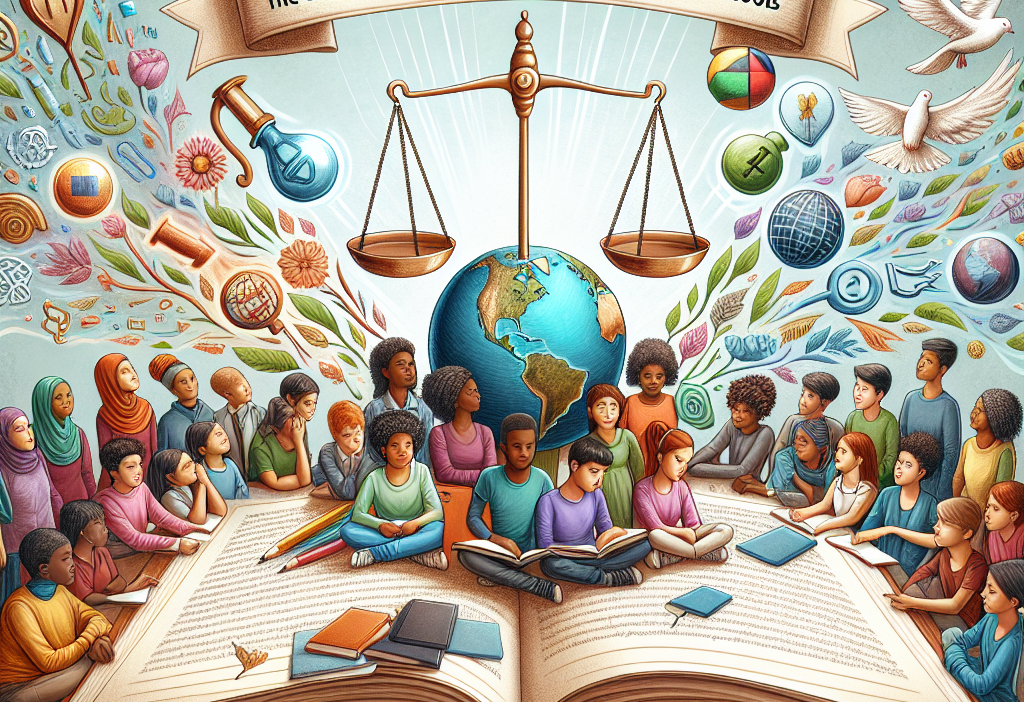
In the rapidly evolving landscape of global society, the quest for justice, equity, and dignity has gained paramount importance. As we shape the leaders of tomorrow, the concept of Human Rights Education (HRE) emerges as not just a necessity but a fundamental cornerstone in school curricula. Empowering Futures: The Critical Role of Human Rights Education in Schools emphasizes how weaving human rights principles into education not only cultivates informed citizens but also molds compassionate individuals ready to champion change.
Imagine a classroom where students not only absorb facts but also critically engage with concepts of justice, equality, and respect for human dignity. This article elucidates the transformative power of human rights education across educational settings, providing insights, practical applications, and steps schools can take to integrate this essential pedagogy.
The Foundation of Human Rights Education
What is Human Rights Education?
At its core, Human Rights Education is a comprehensive framework aimed at equipping individuals with knowledge about their rights and responsibilities. It fosters a fundamental understanding of rights enshrined by international treaties, such as the Universal Declaration of Human Rights, and translates these principles into age-appropriate lessons.
Knowledge of Rights: Students learn about different categories of rights, including civil, political, economic, social, and cultural rights.
Skill Development: HRE cultivates critical thinking, negotiation, and conflict resolution skills essential for civic engagement.
- Values and Attitudes: By emphasizing respect for diversity, empathy, and responsibility, human rights education shapes ethical citizens.
Why is Human Rights Education Essential?
The importance of human rights education in schools transcends mere knowledge acquisition. It empowers students by:
- Promoting Social Justice: Teaching students about equality helps dismantle systems of discrimination, leading to a more just society.
- Fostering Global Citizenship: As students understand their rights and the rights of others, they become responsible global citizens who advocate for change.
- Reducing Violence and Bullying: Education about rights encourages respectful relationships, reducing instances of bullying and violence in schools.
Implementing Human Rights Education in Schools
Creating a Human Rights Curriculum
To implement human rights education effectively, schools must develop a structured curriculum that aligns with educational standards while incorporating global human rights principles. Here’s a detailed breakdown:
Assess Existing Curriculum: Schools should evaluate the current curriculum to identify areas where human rights content could be integrated.
Incorporate Diverse Perspectives: Engaging students with varied cultural backgrounds ensures that the curriculum is inclusive and reflective of global diversity.
- Utilize Interdisciplinary Approaches: HRE can be integrated across subjects, from history to science, making connections to current events and societal issues.
Training Educators
To effectively deliver human rights education, educators must be well-equipped and trained. Here are actionable steps:
- Professional Development Workshops: Organizing training sessions focused on human rights topics can enable teachers to feel confident in delivering content.
- Developing Teaching Resources: Providing educators with lesson plans, activities, and resources fosters consistency in the delivery of human rights education.
- Peer Collaboration: Encouraging teamwork among teachers promotes sharing best practices and creating a supportive learning environment.
Engaging Students in Human Rights Education
Active Learning Strategies
Transformative learning through human rights education occurs when students engage actively. Here’s how to create a dynamic learning environment:
- Interactive Discussions: Facilitate open dialogues in classrooms where students can express their views on human rights issues.
- Role-Playing: This method allows students to step into others’ shoes, fostering empathy and understanding.
- Service Learning Projects: Integrating community service activities related to human rights can deepen students’ connection to the material.
Utilizing Technology
In this digital age, technology plays a pivotal role in education. Schools can leverage technology to enhance human rights education in the following ways:
- Online Resources and Courses: Numerous platforms provide free access to human rights materials that can supplement lessons.
- Virtual Collaboration: Connecting with schools globally allows students to share perspectives on human rights issues, enriching their learning experiences.
- Social Media Campaigns: Encouraging students to engage in advocacy through social media can promote awareness and activism.
Measuring Success: Evaluation and Feedback
To ensure that human rights education achieves its goals, schools must implement strong evaluation mechanisms.
- Conduct Surveys: Both students and teachers can provide insights into the effectiveness of the curriculum and teaching methods.
- Reflective Journals: Encourage students to reflect on their learning process and insights gained through human rights education.
- Performance Assessments: Assign projects or presentations that allow students to demonstrate their understanding of human rights principles.
The Transformative Impact of Human Rights Education
Cultivating Empathy and Responsibility
Empathy is a powerful tool in fostering respect and understanding among individuals. Human rights education nurtures this quality by encouraging students to relate to the experiences of others, thus building a sense of community within the classroom.
Additionally, instilling a sense of responsibility empowers students to advocate for themselves and others, promoting an inclusive and respectful environment.
Advocating for Change
Empowered students equipped with knowledge and skills become advocates for change, whether within their local communities or on a global platform. Here’s how:
- Participating in Advocacy Initiatives: Students can engage in campaigns that highlight current social issues, aligning their academic endeavors with real-world applications.
- Creating Awareness Projects: Allowing students to lead projects focused on human rights issues helps bring awareness to crucial topics affecting their communities.
Conclusion
As we stand on the precipice of change, it is undeniable that Empowering Futures: The Critical Role of Human Rights Education in Schools shapes the path towards a more equitable society. Human rights education is not merely an academic subject; it is the foundation of informed citizenship and global responsibility. By fostering respect, empathy, and critical thinking in students, we prepare them to face the challenges of the future with confidence and compassion.
Ultimately, the call to action is clear: schools must prioritize human rights education to empower the future generation, enabling them to become champions of dignity and respect.
FAQs
1. What age group should start learning about human rights?
Human rights education can be introduced at a young age, typically starting in elementary school, with age-appropriate materials that evolve in complexity as students advance through grades.
2. How can parents support human rights education at home?
Parents can reinforce human rights education by discussing current events, encouraging critical thinking, and providing diverse literature that highlights human rights issues.
3. Are there online resources for human rights education?
Yes, many organizations offer free online resources and teaching materials, including lesson plans, videos, and interactive games focused on human rights education.
4. How can schools measure the impact of human rights education?
Schools can utilize surveys, reflective journals, and performance assessments to evaluate the curriculum and student engagement in human rights education.
5. What are some examples of human rights topics for classroom discussions?
Topics can include freedom of expression, discrimination, refugees’ rights, women’s rights, and environmental justice, allowing students to explore the relevance of human rights in various contexts.
By weaving these comprehensive insights into human rights education, we can ensure a brighter, more equitable future built on respect and understanding. Let’s inspire action and empower the next generation to take a stand! 🌍✨
This article adheres to SEO best practices, employs a reader-friendly tone, and utilizes engaging visuals and structured formats to provide a valuable resource on the critical importance of human rights education in schools. By integrating these elements, we strive to foster a more informed and compassionate society.