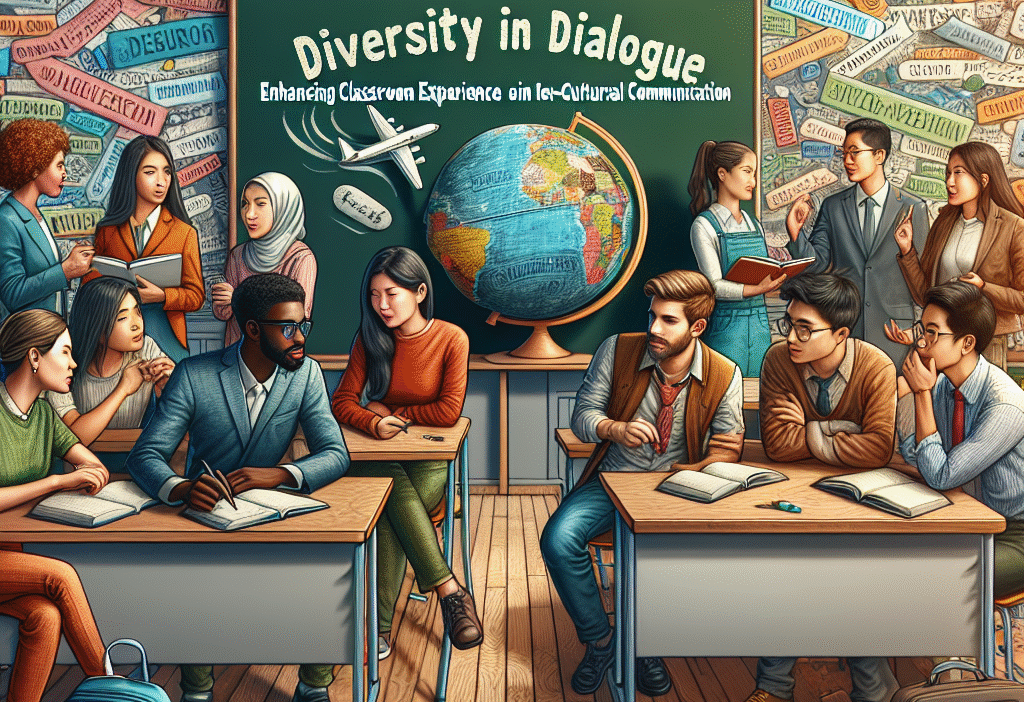
Diversity in Dialogue: Enhancing Classroom Experience through Inter-Cultural Communication
In today’s interconnected world, classrooms are becoming increasingly diverse, enriched by students from various cultural backgrounds. This melting pot of perspectives can lead to vibrant learning atmospheres that inspire creativity, empathy, and critical thinking. 🌍 Diversity in Dialogue: Enhancing Classroom Experience through Inter-Cultural Communication is not just a concept; it’s a necessity for preparing students for a globalized future.
Introduction
Imagine a classroom where every student feels empowered to share their unique experiences and perspectives—this is the future we should strive to create. In this article, we will explore how inter-cultural communication can enhance classroom dialogue, leading to a richer educational experience for both students and teachers. We will delve into the importance of diversity in dialogue, the benefits of inter-cultural communication, and practical strategies teachers can employ to cultivate an inclusive environment.
Why Diversity in Dialogue Matters
The Importance of Cultural Awareness
Cultural diversity is an asset that enhances educational experiences by providing students with a variety of viewpoints. Research shows that diverse classrooms foster a more significant understanding and appreciation of different cultures, leading to better interpersonal relationships and improved conflict resolution skills. 🤝
“In diversity, there is beauty and there is strength.” – Maya Angelou
The absence of cultural awareness can lead to miscommunication and misunderstandings, which can hinder both individual and collective learning. Thus, promoting diversity in dialogue is essential for developing cultural competency among students.
Benefits of Enhanced Inter-Cultural Communication
Inter-cultural communication in the classroom is critical for various reasons:
- Broader Perspectives: Students are encouraged to view problems and solutions from multiple angles.
- Increased Empathy: Understanding different life experiences cultivates empathy among students.
- Improved Performance: Research suggests that diverse groups perform better in problem-solving tasks and creative endeavors.
Strategies for Enhancing Inter-Cultural Communication
Cultivating an Inclusive Classroom Environment
Creating a safe space where students feel comfortable sharing their thoughts is vital for fostering open dialogue. Here are effective strategies to achieve this:
- Establish Ground Rules: Set clear ground rules for respectful discussions that value everyone’s opinions.
- Encourage Sharing of Personal Experiences: Use storytelling as a method to facilitate deeper understanding among students.
- Celebrate Cultural Diversity: Incorporate cultural events and celebrations into the curriculum to highlight different heritages.
Utilizing Collaborative Learning Techniques
Collaborative learning encourages students to work together, enhancing dialogue and mutual respect. Here are methods to implement collaborative learning:
- Group Projects: Assign projects that require students to collaborate and bring different perspectives to the table.
- Peer Teaching: Encourage students to teach each other about their cultures, traditions, and values.
Leveraging Technology for Global Dialogue
In today’s digital age, technology can serve as a powerful tool for enhancing inter-cultural communication.
- Virtual Exchange Programs: Connect with classrooms from different countries via video conferencing platforms, enabling students to share experiences and perspectives.
- Social Media Initiatives: Create a class blog or social media account where students can post about their cultures and interact with their peers.
Case Study: Real-world Application
Consider a high school in California that implemented a comprehensive curriculum focusing on inter-cultural communication. The program included guest speakers from diverse backgrounds and regular discussions on current events impacting various cultures. The results were impressive: students reported greater cultural awareness, and academic performance improved across demographics.
Tools for Enhancing Inter-Cultural Communication
Resources for Educators
Providing educators with the right tools is essential for teaching inter-cultural communication effectively. Here are some invaluable resources:
- Books: Titles such as "Cultivating a Culture of Reflection" and "The Culturally Responsive Teacher" offer insights and strategies on facilitating diversity in dialogue.
- Online Courses: Platforms like Coursera and EdX offer free courses on cultural competency.
- Workshops and Professional Development: Encourage participation in workshops that focus on diversity and inter-cultural communication techniques.
Engaging Students in Inter-Cultural Dialogue
Encouraging Open Discussions
Open discussions are fundamental for enhancing diversity in dialogue. Here are techniques to facilitate such exchanges:
- Socratic Seminars: Structured discussions allow students to engage critically with texts and with each other.
- World Café Method: Create a café-like atmosphere where students rotate tables to discuss different topics, sharing insights from their settings.
Incorporating Art and Literature
Utilizing art and literature can serve as effective mediums to spark dialogues around cultural diversity. Consider these approaches:
- Literature Circles: Assign books from various cultures and have students share their insights in small groups.
- Art Projects: Encourage artistic expression based on cultural themes, facilitating discussions about shared and differing experiences.
The Role of Teachers in Enhancing Classroom Experience
Teachers play a crucial role in facilitating inter-cultural communication. Their approaches to dialogue impact the classroom atmosphere significantly. Here are key actions teachers can take:
- Modeling Respectful Dialogue: Demonstrate how to engage in discussions respectfully, emphasizing listening and understanding.
- Self-Reflection: Engage in self-reflection and professional development to become more culturally aware and responsive.
The Impact of Diverse Dialogue on Student Outcomes
Academic Achievement
Studies indicate that classrooms that value diversity in dialogue witness improved academic achievements. Engaging in inter-cultural communication leads to better problem-solving skills and higher-level thinking.
Social Skills Development
Through diverse interactions, students develop crucial social skills that are essential for their growth as responsible global citizens.
Empathy and Emotional Intelligence
Exposure to diverse perspectives helps cultivate empathy and emotional intelligence, enriching relationships and collaboration.
Challenges and Solutions
Addressing Resistance to Change
Implementing diversity in dialogue may face resistance. To combat this, educators need to:
- Educate: Offer workshops that highlight the benefits of diversity in dialogue.
- Create Buy-in: Involve stakeholders, including parents and community members, in discussions around the importance of cultural competence.
Navigating Language Barriers
Language can present challenges in diverse classrooms. Strategies to overcome this include:
- Bilingual Resources: Utilizing resources and materials in multiple languages supports all learners.
- Language Pairing: Pair students who speak different primary languages for peer learning and language exchange.
Assessing Impact: Measuring Success
Techniques for Evaluation
To ensure the effectiveness of inter-cultural communication initiatives, schools should employ evaluation techniques, such as:
- Surveys and Feedback Forms: Regularly collect feedback from students regarding their experiences.
- Academic Performance Analysis: Monitor academic improvements linked to inter-cultural communication activities.
Continuous Improvement
Fostering diversity in dialogue is an iterative process. Schools should continually refine their approaches based on feedback and outcomes.
Conclusion
In conclusion, Diversity in Dialogue: Enhancing Classroom Experience through Inter-Cultural Communication is the key to unlocking a world of possibilities in education. By fostering an inclusive environment, utilizing collaborative learning techniques, leveraging technology, and engaging students in meaningful dialogues, educators can create vibrant classrooms where every voice matters.
As we move forward, let’s remain committed to nurturing diversity in dialogue. By doing so, we prepare our students not just for academic success but for a lifetime of understanding and empathy.
FAQs
1. What is inter-cultural communication?
Inter-cultural communication refers to the exchange of information and ideas between individuals from different cultural backgrounds. It emphasizes understanding, respect, and appreciation for diversity.
2. How can teachers promote diversity in dialogue?
Teachers can promote diversity by establishing ground rules for respectful dialogue, encouraging personal sharing, and incorporating collaborative learning techniques.
3. Why is cultural awareness important in education?
Cultural awareness fosters empathy, improves communication skills, and prepares students for a diverse world, facilitating better academic and social outcomes.
4. What role does technology play in enhancing inter-cultural communication?
Technology enhances inter-cultural communication by facilitating virtual exchanges, allowing global interactions, and providing access to diverse resources.
5. How can schools assess the effectiveness of their inter-cultural initiatives?
Schools can assess effectiveness through surveys, feedback forms, and analysis of academic performance linked to inter-cultural activities.
By creating a culture of diversity in dialogue, we empower our students with the skills they need to navigate the complexities of our global society confidently. Let’s embrace this journey together! 🌈