Introduction
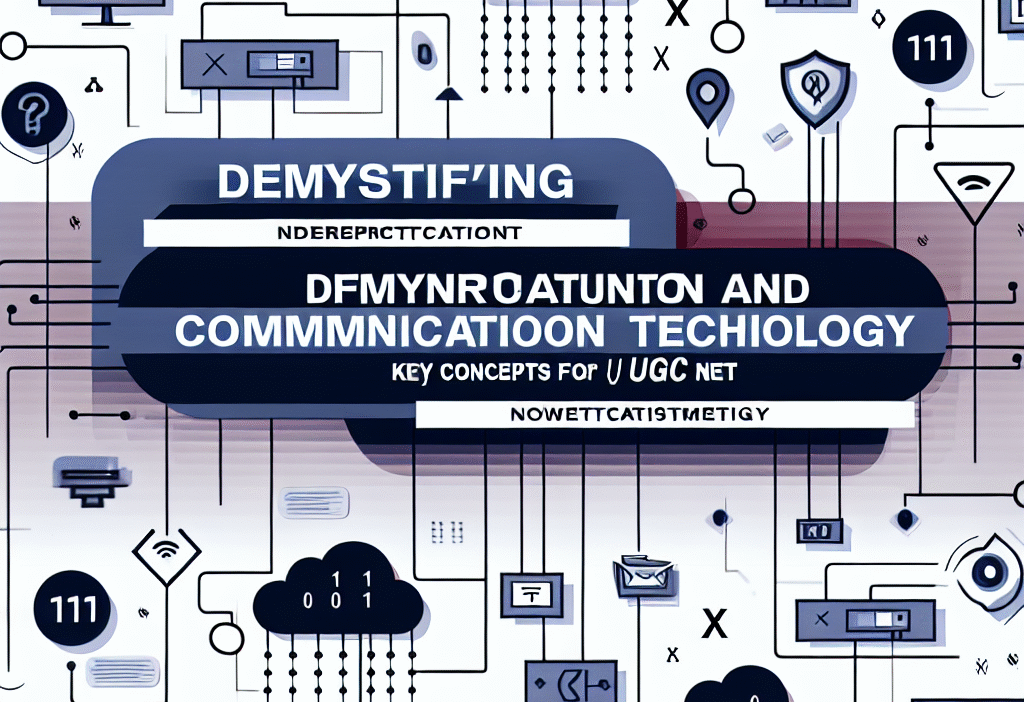
In today’s digital age, Information and Communication Technology (ICT) plays a vital role in shaping our societies, economies, and individual experiences. Whether you are a student preparing for the UGC NET exam or an educator looking to update your knowledge, a solid understanding of ICT is crucial. This article, "Demystifying Information and Communication Technology: Key Concepts for UGC NET," aims to unravel complex terms and concepts in ICT, providing you with actionable insights to enhance your understanding and application.
Throughout this article, we will explore the foundational elements of ICT, its importance in modern education, and the various components that make it a vital field of study for UGC NET aspirants. By the end, you will feel empowered and confident in your grasp of ICT, ready to tackle any related questions that may come your way.
The Foundations of Information and Communication Technology
What is ICT?
Information and Communication Technology (ICT) refers to the integration of telecommunications, computers, and broadcasting technologies. This convergence enables individuals and organizations to manage information and communicate effectively.
- Key Components:
- Hardware: Physical devices such as computers, smartphones, and networking equipment.
- Software: Programs and applications that facilitate various tasks.
- Networks: Systems that enable data transmission, including the internet and private networks.
Importance of ICT in Education
📚 Education systems globally are increasingly relying on ICT to enhance learning experiences. Here are some of the key benefits:
- Access to Resources: Students can access a wealth of information online, making learning more autonomous and diverse.
- Interactive Learning: ICT allows for the use of multimedia tools, helping to engage students and cater to different learning styles.
- Collaboration: Technologies such as collaborative platforms enable students and teachers to work together, irrespective of geographical barriers.
Key Concepts in ICT for UGC NET
Understanding key concepts is essential to mastering ICT. Here we delve into fundamental ideas crucial to aspiring UGC NET candidates.
1. Digital Literacy
Digital literacy is the ability to find, evaluate, and use information effectively in various digital formats. It is no longer optional but a necessary skill for success in education and beyond.
- Components of Digital Literacy:
- Information Literacy: The ability to locate suitable information sources.
- Media Literacy: Understanding how to interpret and create media messages.
2. E-Learning
E-learning encompasses a range of learning experiences that use electronic technologies. From online courses to interactive tutorials, it redefines traditional education methodologies.
- Types of E-learning:
- Synchronous Learning: Real-time interaction, such as webinars.
- Asynchronous Learning: Learning at one’s own pace through recorded videos.
3. Cloud Computing
Cloud computing refers to the delivery of computing services over the internet (the cloud). This technology reduces the need for physical hardware and increases accessibility.
- Key Advantages:
- Scalability: Easily adjust resources based on needs.
- Cost-Efficiency: Pay-as-you-go models reduce upfront costs.
4. Cybersecurity
As digital interactions increase, so does the need for robust cybersecurity measures. This field focuses on protecting systems, networks, and programs from digital attacks.
- Essential Practices:
- Regular Updates: Keeping software up to date prevents vulnerabilities.
- User Education: Teaching safe online behaviors to reduce risks.
The Evolution of ICT
Historical Context
Understanding the evolution of ICT helps contextualize modern technologies and practices. Here’s a brief overview:
- First Generation (1940s-1950s): Vacuum tube technology characterized early computing.
- Second Generation (1960s-1970s): Transistors replaced vacuum tubes, leading to smaller and more reliable computers.
- Third Generation (1980s): The development of integrated circuits packed millions of transistors, making computers more affordable and available.
- Fourth Generation (1990s-Present): The rise of the internet, broadband, and mobile computing transformed how people engage with information.
📊 Table: Evolution of ICT Technologies
| Generation | Key Technology | Years |
|---|---|---|
| First | Vacuum tubes | 1940s-1950s |
| Second | Transistors | 1960s-1970s |
| Third | Integrated Circuits | 1980s |
| Fourth | Internet, Mobile Tech | 1990s-Present |
Paradigm Shifts in ICT
- Mobility: The shift from stationary computers to mobile devices has revolutionized how we communicate and interact with technology.
- Social Media: The rise of platforms such as Facebook and Twitter has changed the landscape of interpersonal communication and information dissemination.
The Role of ICT in Research
ICT plays a pivotal role in modern research practices. Here’s how:
Data Collection and Analysis
Information technology facilitates efficient data collection methods, such as online surveys and big data analytics. These tools can significantly enhance research quality and efficiency.
Publication and Dissemination
Research findings can be shared rapidly through digital platforms, allowing for immediate feedback and collaboration.
Academic Networking
Building professional networks is easier with ICT, enabling researchers to connect with peers, share ideas, and collaborate worldwide.
Challenges in ICT Adoption
While ICT brings numerous advantages, several challenges hinder its widespread adoption. Let’s look at some of these hurdles:
Digital Divide
The disparity between those who have access to digital technologies and those who do not limits educational opportunities. Addressing this issue is crucial for equitable education.
Cybersecurity Risks
Increased reliance on digital technologies opens the door to potential cybersecurity threats, necessitating the implementation of robust protective measures.
Best Practices for Effective ICT Integration in Education
1. Professional Development for Educators
Investing in training programs equips educators with the necessary skills and knowledge to effectively use ICT tools in the classroom.
2. Student-Centric Approaches
Adopting ICT tools that cater to diverse learning styles enhances engagement and promotes a more inclusive educational environment.
3. Infrastructure Investment
Schools and institutions must invest in the necessary hardware and software to create a conducive learning environment.
4. Ongoing Assessment and Feedback
Regularly assessing the effectiveness of ICT tools allows educators to make informed decisions and continuously improve teaching methods.
Conclusion
In conclusion, "Demystifying Information and Communication Technology: Key Concepts for UGC NET" has illuminated the various dimensions of ICT that are essential for success in your academic and professional journey. From understanding digital literacy to the evolution of ICT and its role in research, we’ve covered the fundamental concepts that shape this ever-evolving landscape.
As you prepare for your UGC NET exam, remember that the knowledge you gain in ICT will not only empower you academically but also equip you for future challenges in a technology-driven world. Keep exploring, learning, and applying these concepts, and you’ll undoubtedly find success.
FAQs
1. What is the importance of ICT in education?
ICT enhances learning experiences by providing access to resources, fostering interactive learning, and promoting collaboration among students and educators.
2. How can educators effectively integrate ICT into their teaching methods?
By investing in professional development, utilizing student-centric approaches, and continuously assessing ICT tools, educators can enhance their teaching methodology.
3. What are the primary components of ICT?
The primary components include hardware, software, and networks that enable the storage, retrieval, and dissemination of information.
4. What is the digital divide, and why is it significant?
The digital divide refers to the gap between those with and without access to digital technologies, which can limit educational and job opportunities for marginalized groups.
5. How does cloud computing transform data management?
Cloud computing provides scalable and cost-effective solutions for storing, accessing, and managing data, making it easier for organizations to operate efficiently.
By understanding and integrating ICT principles, you are poised to navigate the academic world and beyond with confidence and competence. Thank you for engaging with this comprehensive guide; your journey in mastering ICT has just begun! 🎓