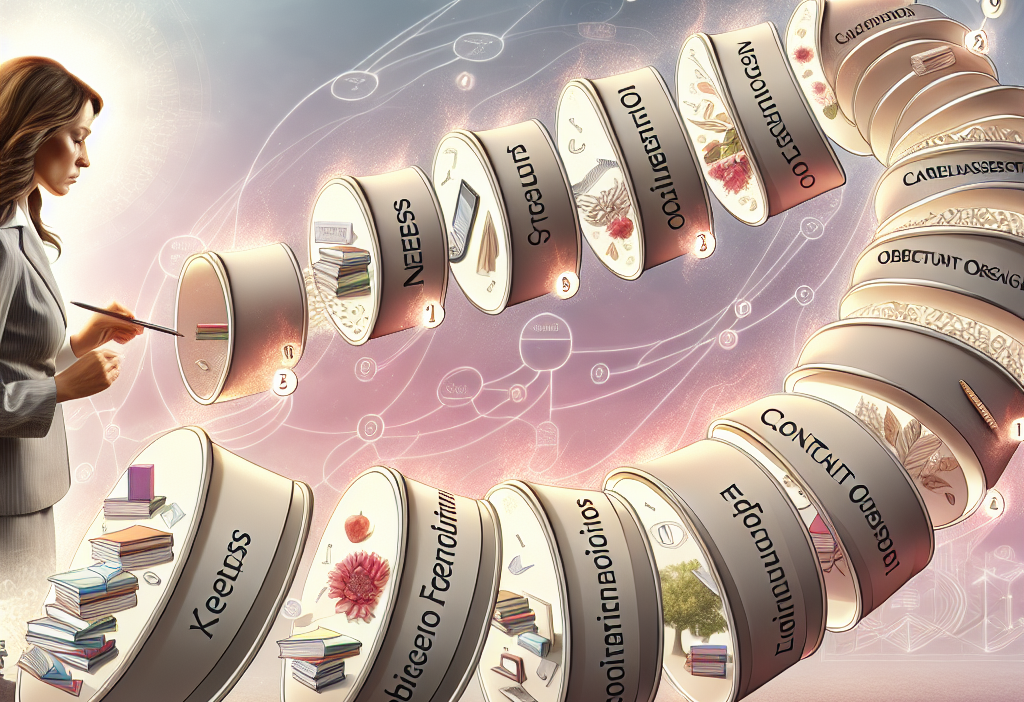
Introduction
In a world where education is consistently evolving, understanding the intricacies of curriculum development is more crucial than ever. Educators, administrators, and policy-makers alike face the pressing challenge of creating engaging, effective curricula that can adapt to diverse student needs and societal changes. This comprehensive guide, "Curriculum Development Demystified: The Critical Phases You Need to Know," will take you through the essential phases of curriculum development in detail, providing insights, actionable steps, and clarity on this complex process.
The Importance of Curriculum Development
Curriculum development is not merely a bureaucratic task; it’s an art that shapes a student’s learning journey. The curriculum lays the foundational knowledge and skills that students will carry throughout their lives. Whether it’s adopting innovative teaching methods or integrating new technologies, understanding the phases involved in curriculum development is key to enhancing educational outcomes.
In this article, we will explore:
- The critical phases of curriculum development.
- How each phase interrelates and contributes to an effective curriculum.
- Practical insights and examples for implementation.
- FAQs that address common queries regarding the curriculum development process.
The Critical Phases of Curriculum Development
1. Needs Assessment 📊
Definition: Needs assessment is the process of identifying and analyzing the educational needs of students, stakeholders, and communities.
Importance: To create a successful curriculum, it’s essential to understand who it serves. The assessment can uncover gaps in existing curricula and highlight the specific skills, knowledge, and values that students need.
Steps for Needs Assessment:
- Stakeholder Interviews: Engage with teachers, students, parents, and community members to gather diverse perspectives.
- Surveys and Data Collection: Utilize surveys or assessments to collect quantitative data on student performance and engagement.
- Review of Existing Curricula: Analyze the strengths and weaknesses of current programs.
2. Curriculum Design ✏️
Definition: This phase involves defining the curriculum framework, including objectives, content, and teaching strategies.
Importance: The design of the curriculum should reflect the results from the needs assessment while aligning with educational standards and learning outcomes.
Key Elements of Curriculum Design:
- Learning Objectives: Clear, measurable outcomes that guide teaching and assessment.
- Content Selection: Choose relevant materials and topics that resonate with students’ interests and needs.
- Pedagogical Approaches: Select teaching methodologies that effectively engage students and facilitate learning.
3. Curriculum Implementation 🎓
Definition: Implementation is the execution of the designed curriculum in a classroom setting.
Importance: A well-implemented curriculum can significantly enhance student learning experiences.
Effective Implementation Strategies:
- Training Educators: Provide professional development to teachers to ensure they feel confident in delivering the curriculum.
- Resource Allocation: Ensure that all necessary resources, like textbooks and technology, are available and accessible.
- Feedback Mechanism: Establish a robust system for gathering feedback from students and teachers to make necessary adjustments.
4. Evaluation and Revision 🔍
Definition: This phase assesses the effectiveness of the curriculum and identifies areas for improvement.
Importance: Continuous evaluation ensures the curriculum remains relevant and effective over time.
Evaluation Methods:
- Formative Assessments: Ongoing assessments during implementation to gauge student learning and adapt teaching methods.
- Summative Assessments: Final evaluations at the end of a teaching period to measure overall effectiveness.
- Stakeholder Feedback: Gathering insights from all stakeholders post-implementation to identify successes and areas needing improvement.
5. Continuous Improvement Cycle 🔄
Definition: A systematic approach to making incremental improvements in the curriculum based on evaluation feedback.
Importance: The education landscape is always shifting. A curriculum must evolve to stay relevant and effective.
Steps for Continuous Improvement:
- Review Data Regularly: Collect and analyze performance data consistently to inform decisions.
- Professional Learning Communities (PLCs): Encourage collaboration among educators to share insights and best practices.
- Adaptation to Change: Be prepared to integrate new knowledge, teaching methods, and student needs into the curriculum.
Visual Summary of the Phases
| Phase | Key Activities | Outcome |
|---|---|---|
| Needs Assessment | Surveys, Interviews, Data Analysis | Identified needs and gaps |
| Curriculum Design | Define Objectives, Content Selection, Pedagogical Methods | Structured curriculum framework |
| Implementation | Training, Resource Allocation, Feedback Mechanisms | Effective teaching and student engagement |
| Evaluation and Revision | Formative & Summative Assessments, Stakeholder Feedback | Comprehensive assessment and adjustments |
| Continuous Improvement Cycle | Regular Data Review, PLCs, Adaptation to Changes | Evolving curriculum that meets needs |
Actionable Insights for Each Phase
Needs Assessment: Tools & Techniques
Utilize technology such as Google Forms for surveys or learning analytics platforms to gather and analyze data efficiently. Engage with community stakeholders through focus groups to capture qualitative data that add depth to your findings.
Curriculum Design: Aligning Standards
When designing the curriculum, ensure alignment with local, state, and national standards to provide a cohesive educational framework.
Implementation: Creating a Supportive Environment
Foster a culture of collaboration where teachers can exchange ideas and resources. Regular check-ins can also help maintain enthusiasm and momentum during the rollout.
Evaluation and Revision: Metrics for Success
Establish clear metrics to evaluate effectiveness, such as student retention rates, performance benchmarks, and engagement levels.
Continuous Improvement: Staying Current
Subscribe to educational journals, attend conferences, and engage in professional networks to stay updated on trends and innovations in education.
Conclusion
Understanding curriculum development involves recognizing the interconnected nature of the critical phases: needs assessment, curriculum design, implementation, evaluation, and continuous improvement. Each phase plays a vital role in creating a robust educational framework that meets the needs of students and society at large.
Embrace the process and remember: "The best way to predict the future is to create it." Empower yourself and your educational community by actively engaging in curriculum development. By doing so, you not only enhance the learning experience for your students but also contribute positively to the larger educational landscape.
FAQs
1. What is curriculum development?
Curriculum development is the process of creating and refining educational curriculums to meet specific educational goals and the needs of students.
2. Why is needs assessment important in curriculum development?
Needs assessment is crucial as it identifies gaps in existing knowledge or skills among students and helps shape a curriculum that addresses those gaps.
3. How can teachers adapt the curriculum?
Teachers can adapt the curriculum by regularly assessing student performance and gathering feedback to make necessary adjustments, ensuring it remains engaging and effective.
4. What tools can be used for curriculum evaluation?
Tools like surveys, quizzes, student performance metrics, and stakeholder feedback are effective for evaluating the success of a curriculum.
5. How often should curriculum be revised?
Curriculums should be reviewed and revised at least every few years, or more frequently in response to significant changes in educational standards or student needs.
With the understanding gained from this guide, you are now better equipped to navigate the complexities of curriculum development—ensuring that you play a pivotal role in shaping the educational landscape for the better.
By consistently applying these principles of Curriculum Development Demystified: The Critical Phases You Need to Know, educators can forge pathways to innovative learning experiences that resonate with and inspire students to achieve their fullest potential. Remember, the journey of educational excellence is continuous—let’s walk it together!