Creating a Connected Classroom: The Vital Role of Inter-Cultural Communication
Introduction
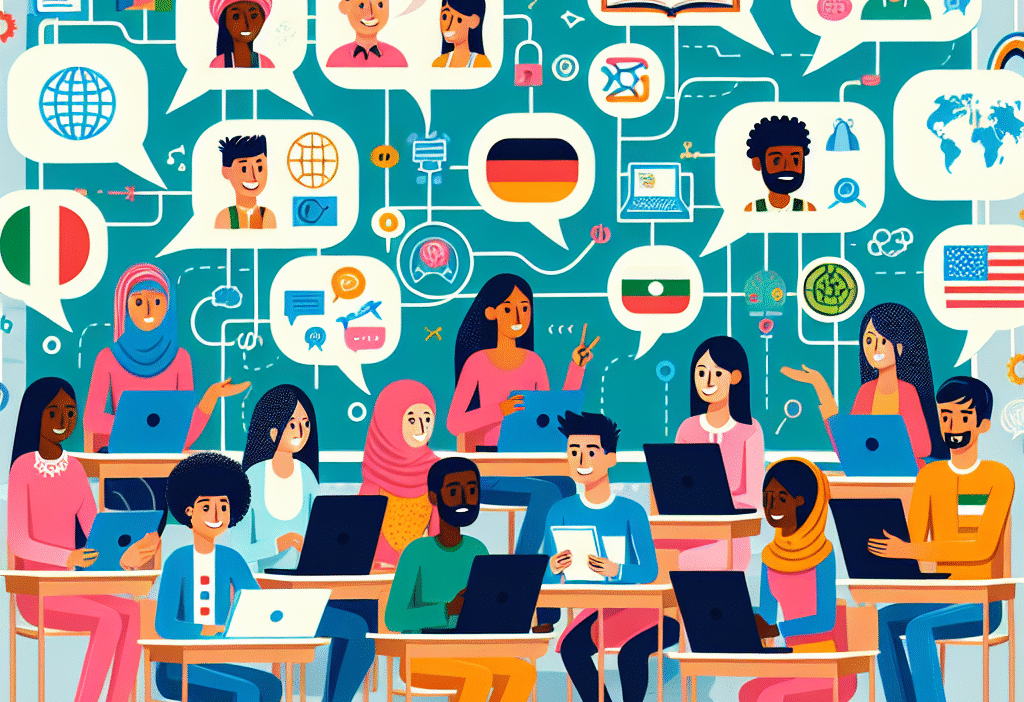
In today’s increasingly diverse and globalized world, the need for effective inter-cultural communication in education has never been more pronounced. 🌍 As classrooms become melting pots of various cultures, ideas, and beliefs, educators must understand the significance of fostering interconnectedness among their students. This article delves into Creating a Connected Classroom: The Vital Role of Inter-Cultural Communication. We will explore the impact of cultural diversity on learning, identify strategies for effective communication, and provide actionable steps to facilitate a truly connected classroom experience.
Importance of Inter-Cultural Communication
Inter-cultural communication enhances students’ understanding and acceptance of diverse perspectives, promoting empathy and cooperation among peers. In this article, you will learn how to embrace diversity, implement practical communication strategies, and enrich your classroom environment. These insights will not only enhance academic success but also prepare students for a future in an interconnected world.
Understanding Cultural Diversity in the Classroom
What is Cultural Diversity?
Cultural diversity refers to the presence of multiple cultural groups within a society, characterized by unique habits, values, languages, and traditions. When applied to the classroom setting, this diversity manifests in various ways, including different learning styles, communication preferences, and behavioral norms. Understanding these differences is crucial for fostering a positive learning environment.
The Benefits of Cultural Diversity
- Enhanced Creativity: A mix of ideas leads to innovative solutions.
- Broadened Perspectives: Exposure to multiple viewpoints cultivates critical thinking.
- Improved Learning Outcomes: Learning alongside peers from varied backgrounds can enhance academic performance.
The Importance of Inter-Cultural Communication
Inter-cultural communication encompasses the exchange of information across cultures. In the educational landscape, this skill is pivotal for several reasons:
- Communication Breakdowns: Misunderstandings can arise from cultural differences, hindering effective interaction.
- Building Trust: Establishing communication fosters a sense of security among students.
- Conflict Resolution: Effective communication can help navigate and resolve conflicts.
Strategies for Creating a Connected Classroom
Creating a connected classroom through inter-cultural communication involves specific strategies that enable educators to bridge cultural gaps. Here are some proven techniques:
1. Cultivating an Inclusive Environment
An inclusive classroom welcomes students from all backgrounds, valuing their contributions. Some strategies include:
- Culturally Relevant Curriculum: Integrate materials that reflect students’ cultures and experiences. 📚
- Celebrate Diversity: Organize events that highlight cultural festivals, cuisine, and traditions.
- Welcoming Atmosphere: Ensure students feel comfortable expressing their cultural identities.
Example: Cultural Exchange Days
Organize days for students to share aspects of their cultures through food, music, and storytelling. This activity not only fosters pride in individual identities but also creates opportunities for peer learning.
2. Encouraging Open Dialogue
Open lines of communication among students and between students and teachers can break down barriers.
- Classroom Norms: Establish guidelines that promote respect and open-mindedness during discussions.
- Regular Check-Ins: Conduct regular assessments of the classroom atmosphere to gauge students’ comfort levels.
Example: Circle Time Discussions
Implement circle time where students can share experiences, discuss cultural differences, or voice concerns in a safe and respectful environment.
3. Implementing Collaborative Projects
Group activities that require collaboration can lead to inter-cultural learning.
- Diverse Group Dynamics: Form groups with diverse cultural backgrounds to encourage rich discussions.
- Shared Goals: Assign projects that require input from all team members, emphasizing cooperation.
Example: Community Service Projects
Involve students in community service that addresses specific cultural needs in the neighborhood, fostering a sense of collective responsibility.
4. Providing Professional Development for Educators
Teachers play a critical role in inter-cultural communication. Continuous professional development enhances their skills in this area.
- Workshops on Cultural Competency: Offer training that equips teachers with the tools needed to navigate diverse classrooms.
- Mentorship Programs: Pair less experienced teachers with mentors skilled in cultural awareness.
Practical Steps for Encouraging Inter-Cultural Communication
Engaging students in inter-cultural communication requires actionable steps. Here’s how to implement these strategies:
1. Ongoing Cultural Education
Provide resources that help both teachers and students learn about different cultures.
- Library Resources: Ensure the school library is stocked with books reflecting various cultures.
- Digital Tools: Utilize technology to connect with classrooms globally through virtual pen pal programs.
2. Utilize Technology
Leveraging modern technology can significantly enhance inter-cultural communication.
- Video Conferencing: Connect your classroom with others around the world to discuss cultural differences live.
- Social Media: Use platforms like blogs or class websites to post cultural reflections and discussions.
3. Foster Peer Mentoring
Introduce peer mentoring programs where students can share knowledge about their cultures.
- Buddy System: Pair students with varying backgrounds to promote mutual learning.
- Cultural Ambassadors: Create roles for students to lead cultural discussions and activities.
4. Feedback Mechanisms
Implement systems for feedback that encourage students to express their thoughts on cultural exchanges.
- Surveys and Questionnaires: Regularly assess the effectiveness of inter-cultural activities and adjust accordingly.
- Suggestion Box: Provide a physical or digital space for students to anonymously share their thoughts.
Conclusion
Creating a connected classroom through inter-cultural communication is vital for building a respectful, collaborative, and enriching educational environment. By embracing diversity, encouraging open dialogue, implementing collaborative projects, and fostering continuous learning among students and educators, we can cultivate a classroom culture that is inclusive and engaged.
Inspire Change!
Empowering students through effective inter-cultural communication lays the groundwork for future success. As educators, embracing this mission not only transforms our classrooms but also contributes to a more compassionate world. 🌟
FAQs
1. Why is inter-cultural communication important in schools?
Inter-cultural communication is essential because it promotes understanding and respect for diverse perspectives, enhances social skills, and prepares students for a globalized world.
2. How can teachers foster an inclusive environment?
Teachers can foster inclusivity by incorporating culturally relevant curriculum materials, celebrating cultural diversity, and creating welcoming classroom norms.
3. What are some activities to enhance cultural exchange among students?
Activities can include cultural exchange days, community service projects, and collaborative group assignments focusing on diverse perspectives.
4. How can technology enhance inter-cultural communication in the classroom?
Technology enables real-time connections with global classrooms, access to cultural resources, and platforms for sharing insights and reflections online.
5. What role does professional development play in inter-cultural communication?
Professional development helps educators build awareness and skills necessary to effectively teach and engage with diverse student populations, improving the overall classroom atmosphere.
In crafting your connected classroom through inter-cultural communication, you are laying a foundation for a bright and inclusive future. Let’s work together to enrich our learning environments and embrace the beauty of diverse cultures! 😊