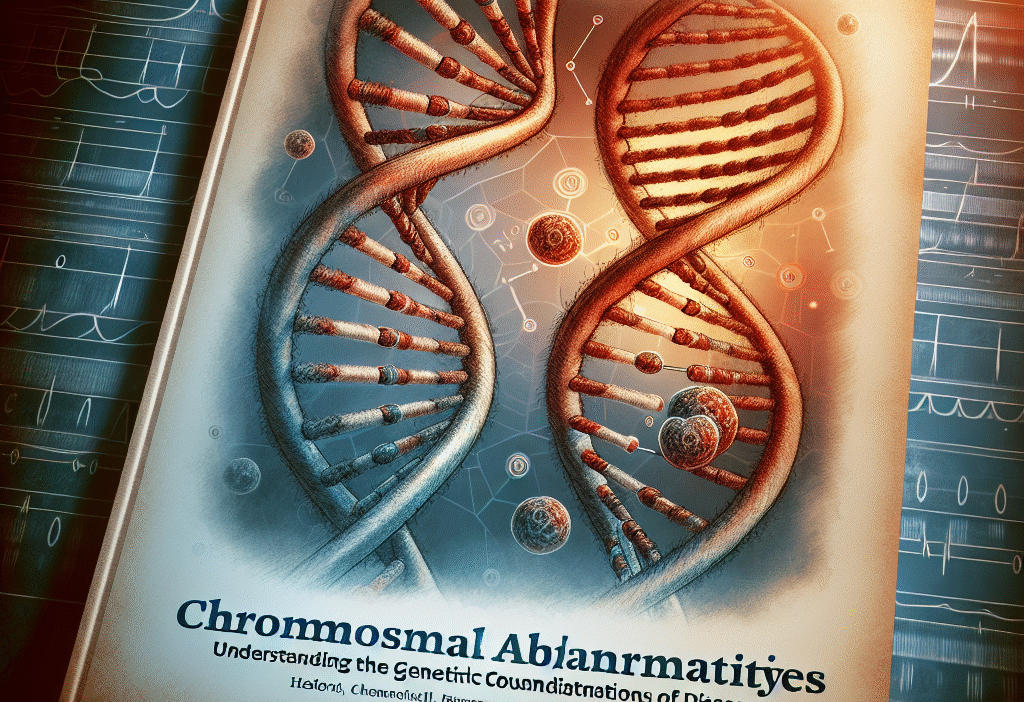
Chromosomal Abnormalities: Understanding the Genetic Foundations of Disease
Introduction
Did you know that our bodies are governed by an intricate design encoded within our very cells? Each of us carries roughly 20,000 genes, all organized on structures known as chromosomes. These fascinating entities can sometimes go awry, leading to a world of health implications we classify as chromosomal abnormalities. 🌟
Understanding chromosomal abnormalities is imperative—not just for researchers and healthcare providers, but for anyone seeking to grasp the foundations of genetic diseases. In this article, we will delve deeply into the genetics of chromosomal abnormalities, explore their diverse types, causes, and implications, and provide actionable insights for better health awareness.
What You Will Learn
- Definition and types of chromosomal abnormalities
- Causes and risk factors for these genetic changes
- Impacts on health and development
- Advances in detection and research
- Practical takeaways for patients and families
By the end, you’ll come away with a comprehensive understanding of how chromosomal abnormalities lay the groundwork for various diseases, and why this field of study is crucial for future advancements in medicine.
What Are Chromosomal Abnormalities?
Chromosomal abnormalities are alterations in the structure or number of chromosomes that can potentially lead to serious health issues. In our cells, chromosomes play a pivotal role in the regulation and expression of genetic information.
Types of Chromosomal Abnormalities
Numerical Abnormalities
These occur when there are either extra chromosomes (trisomy) or missing chromosomes (monosomy). For example:
- Down Syndrome (Trisomy 21): An extra copy of chromosome 21.
- Turner Syndrome: A condition caused by the absence of one X chromosome in females.
- Structural Abnormalities
These affect the physical structure of chromosomes, including:
- Deletions: Loss of a chromosome segment.
- Duplications: Extra copies of a chromosome segment.
- Inversions: A segment of a chromosome is reversed.
- Translocations: Parts of two chromosomes swap places.
Table 1: Quick Reference of Key Chromosomal Abnormalities
| Type | Condition | Chromosome Involved | Key Characteristics |
|---|---|---|---|
| Numerical | Down Syndrome | 21 | Intellectual disability, facial features |
| Numerical | Turner Syndrome | X | Short stature, infertility |
| Structural | Cri du Chat Syndrome | 5 | Cat-like cry, developmental delays |
| Structural | Philadelphia Chromosome | 9 & 22 | Associated with certain leukemias |
Causes of Chromosomal Abnormalities
Genetic Risk Factors
Chromosomal abnormalities may arise due to various genetic factors, including:
Random Errors in Cell Division: Often occurring in the formation of eggs and sperm. The process of meiosis can sometimes lead to the production of gametes with abnormal chromosome numbers.
Advanced Parental Age: Studies have shown that the risk of prenatal chromosomal abnormalities increases with the age of the parents, particularly the mother.
- Family History: In some cases, chromosomal abnormalities can be inherited through family lines.
Environmental Risk Factors
Certain environmental factors may also contribute to the likelihood of chromosomal abnormalities:
Exposure to Ionizing Radiation: High levels of radiation can disrupt chromosome structures.
- Chemical Exposure: Certain chemicals, especially teratogens, can impact cellular division, leading to chromosomal abnormalities.
Chart 1: Causes of Chromosomal Abnormalities
| Genetic Factors | Environmental Factors |
|---|---|
| Errors in Cell Division | Ionizing Radiation |
| Advanced Parental Age | Chemical Exposure |
| Family History | Maternal Infections |
Impact on Health and Development
Effects on Physical Health
Chromosomal abnormalities can significantly influence an individual’s physical health. Common health impacts include:
Developmental Delays: Conditions like Down syndrome often come with cognitive delays.
Congenital Malformations: Certain chromosomal abnormalities may lead to physical birth defects.
- Increased Susceptibility to Chronic Diseases: Individuals may also encounter elevated risks of further health issues, such as heart defects or digestive problems.
Effects on Psychological Well-being
The ramifications of chromosomal abnormalities do not stop at physical health; they can also extend into emotional and psychological domains:
Social Challenges: There are often societal stigmas attached to visible chromosomal abnormalities, which may lead to isolation or bullying.
- Mental Health Conditions: Individuals may also experience higher rates of anxiety or depression, particularly if they encounter challenges related to their condition.
Table 2: Summary of Potential Health Effects
| Type of Effect | Examples |
|---|---|
| Physical | Heart defects, Growth delays |
| Cognitive | Learning disabilities |
| Social | Isolation, Bullying situations |
| Psychological | Anxiety, Depression |
Advances in Detection and Research
Genetic Testing
Advancements in genetic testing have paved the way for earlier detection of chromosomal abnormalities, which is vital for early intervention:
Amniocentesis: Taking a sample of amniotic fluid to test for chromosomal conditions.
Chorionic Villus Sampling (CVS): A procedure that involves taking a sample from the placenta for testing.
- Non-Invasive Prenatal Testing (NIPT): A blood test for mothers that screens for common chromosomal abnormalities.
Innovative Research
Ongoing research is crucial for expanding our understanding of chromosomal abnormalities:
CRISPR Technology: Gene editing tools like CRISPR are being explored for potential therapeutic avenues to correct certain abnormalities.
- Genomic Sequencing: Next-generation sequencing technologies enable a deeper understanding of the genetic underpinnings of chromosomal conditions.
Actionable Insights for Patients and Families
Stay Informed: Knowledge empowers families to make informed decisions regarding prenatal testing.
- Engage in Community Support: Seek support groups and community resources to help navigate the complexities associated with these conditions.
Conclusion
Chromosomal abnormalities are not merely scientific terms; they represent the struggles and triumphs of countless individuals and families. By enhancing our understanding of these genetic foundations, we can improve patient care, inform healthcare practices, and inspire future research.
The journey toward understanding chromosomal abnormalities—understanding the genetic foundations of disease—can initially seem daunting. However, through community, research, and dialogue, we can turn this knowledge into actionable strategies for better health outcomes.
Inspire and Take Action
Whether you’re a parent considering genetic counseling, a student of genetics, or someone interested in the medical field, remember that each of us has a role to play in advancing awareness and understanding. Let’s leverage this knowledge for a healthier future! 🚀
FAQs on Chromosomal Abnormalities
1. What are the common symptoms of chromosomal abnormalities?
Symptoms can vary widely but often include physical deformities, cognitive disabilities, and developmental delays.
2. How are chromosomal abnormalities diagnosed?
They are typically diagnosed through genetic testing during prenatal screenings, amniocentesis, or CVS.
3. What is the role of heredity in chromosomal abnormalities?
Some abnormalities can be inherited, particularly if there is a family history of genetic conditions.
4. Can chromosomal abnormalities be treated?
While some conditions linked to chromosomal abnormalities can be managed, there is currently no cure for many of them.
5. Is genetic counseling recommended for families with a history of chromosomal abnormalities?
Yes, genetic counseling can provide valuable insights and support for families considering pregnancy or those affected by chromosomal conditions.
Final Thoughts
Understanding chromosomal abnormalities provides valuable insights into the genetic foundations of disease. This knowledge not only facilitates better healthcare outcomes but also inspires hope and unity among individuals and families impacted by these conditions. Remember, every piece of knowledge we gather has the potential to create waves of change in the fabric of our society. 🌈
For further reading and resources, visit MyJRF for comprehensive insights into genetic health and ongoing research areas related to chromosomal abnormalities.