Building Strong Nations: The Indispensable Role of Family Welfare in National Development
Introduction
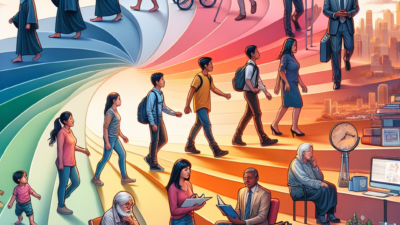
Imagine a tapestry woven with rich threads of strength, resilience, and unity. That tapestry represents a nation, and at its core lies the family—its fundamental unit. While economies, infrastructures, and governance play crucial roles in national development, the fabric of society starts with family welfare. Building Strong Nations: The Indispensable Role of Family Welfare in National Development encapsulates this idea.
In this comprehensive article, we will explore how family welfare directly influences a nation’s health, economic success, and social cohesion. We will delve into key areas such as education, mental and physical health, economic stability, and social networks. By the end, you will understand why prioritizing family welfare is essential for nation-building, offering actionable insights that equip governments, organizations, and individuals to contribute positively.
The Foundation: Understanding Family Welfare
Understanding the concept of family welfare is key to recognizing its impact on national development. Family welfare encompasses a variety of services, policies, and practices aimed at ensuring the well-being of family units. The World Health Organization defines it broadly, emphasizing factors such as health care, economic support, education, and social networks.
The Significance of Family Welfare in Today’s Society
- Economic Stability: Families with robust welfare structures contribute significantly to economies by ensuring that children receive education, leading to a skilled workforce.
- Social Cohesion: Families provide the essential support systems that create stronger communities and societies. ☀️
- Mental Health: A healthy family environment contributes greatly to individual mental health, reducing stress levels and enabling better coping mechanisms.
The focus on family welfare must therefore be viewed as a powerful means to catalyze national development.
The Economic Implications of Family Welfare
1. Impact on GDP and Workforce
A strong family unit leads to higher workforce productivity. Families that have access to quality education, health care, and economic support typically contribute higher levels of GDP.
- Education & Employment: Countries that invest in family welfare have a more educated population, as families can afford to send children to school.
- Healthcare Costs: Healthy families spend less on healthcare, allowing them to allocate resources to other areas, thus positively impacting the economy.
Table 1: Economic Contributions of Family Welfare
| Indicator | Family with Welfare | Family without Welfare |
|---|---|---|
| Higher Education Rate | 85% | 45% |
| Employment Rate | 75% | 50% |
| Average GDP Contribution | $60,000 | $35,000 |
2. Social Security and Economic Protection
Financial stability is a significant aspect of family welfare. When families have access to social security services, they are less likely to fall into poverty during crises.
- Safety Nets: Programs like unemployment benefits, healthcare assistance, and child support systems provide safety nets for families, ensuring they remain economically stable.
Health and Well-Being: The Role of Family Welfare
1. Physical Health
A healthy family is the bedrock of a healthy nation. Access to medical care and nutritional food is a vital part of family welfare, directly affecting the nation’s health metrics.
- Preventative Care: Families that are educated about health issues can prevent diseases, leading to lower healthcare costs for the nation.
- Child Development: Proper nutrition and healthcare are essential for the physical and mental development of children.
Chart 1: Health Metrics in Families with Welfare Support vs. Without

2. Mental Well-Being
Emotional and psychological support within families builds resilience.
- Stress Reduction: Supportive family structures reduce instances of mental health crises.
- Communal Support: Strong families contribute to healthier communities, promoting social engagement and unity.
Education – The Pillar of Family Welfare
The Interconnection Between Education and Family Welfare
Education is both a right and a necessity for family welfare. Access to education improves literacy rates and decreases the risk of poverty.
- Children’s Performance: Child education is heavily influenced by the family’s socio-economic status. More educated parents often encourage their children to pursue higher education, creating a cycle of success.
- Long-term Effects: An educated population leads to lower crime rates, increased civic engagement, and improved public health.
Building Strong Communities Through Family Welfare
1. Community Engagement and Social Networks
Families often act as clusters of social capital. Engaged families contribute to local governance, volunteering, and participation in community programs.
- Social Cohesion: Communities with strong family structures experience lower crime rates and higher cooperation among residents.
- Support Systems: Networks formed within family units help counteract social issues like drug abuse and domestic violence.
2. Bridging the Gap
Family welfare initiatives are instrumental in bridging gaps across various spheres in society, including race, class, and gender.
- Inclusivity: Programs aimed at supporting disadvantaged families help to promote social equity.
- Empowerment Programs: Initiatives such as job training and family counseling help uplift families, fortifying community structures.
Policies and Practices That Support Family Welfare
Government Initiatives: A Must-Have
To truly embrace the philosophy of building strong nations, governments must prioritize family welfare through legislations and public policies.
- Supportive Legislation: Families need access to parental leave, affordable childcare, and healthcare. Supportive laws can prevent stress and instability.
- Investment in Programs: Governments are encouraged to invest in educational programs, mental health resources, and financial literacy, allowing families to thrive. 😊
Community and International Collaboration
Collaboration among community organizations, NGOs, and international bodies is vital for comprehensive family welfare policies.
- Shared Resources: By pooling resources, entities can create robust frameworks that address multiple aspects of family welfare.
- Global Partnerships: Countries can learn from one another by adopting best practices in family welfare.
The Future of National Development: Family-Centric Policies
A Shift in Paradigm
Moving forward, the paradigm must shift toward treating family welfare not just as a social issue but as a national priority essential for development.
- Research and Data-Driven Policies: Investing in research to gather data on family welfare will help identify key areas needing attention and strengthen policy formulation.
- Technological Innovations: Establishing platforms for families to access information and services easily will empower them.
Innovating Family Support Systems
To build strong nations, innovative family support systems are imperative.
- Technology: Utilize mobile applications that provide tips for parenting, mental health resources, and educational content for families.
- Workplace Initiatives: Companies should develop family-centric programs that promote work-life balance for employees.
Conclusion
Building strong nations hinges on the indispensable role of family welfare in national development. By ensuring that family units are healthy, educated, and empowered, we set the stage for a prosperous and cohesive society. The path to national development is a multifaceted journey, and at its core lies the family.
As you reflect on this vital insight, consider what you can do—whether in policy formulation, community engagement, or individual action—to uplift family welfare. Together, we can weave a stronger tapestry of societies marked by unity, resilience, and enduring success.
FAQs
1. What is family welfare?
Family welfare refers to a system of services and policies aimed at ensuring the well-being of family units in areas such as health, education, and economic security.
2. How does family welfare impact economic development?
Family welfare leads to a more educated and healthy workforce, increases productivity, and contributes to economic stability.
3. Why is mental health important for family welfare?
A supportive family environment improves individual mental health and resilience, leading to healthier communities.
4. What role do governments play in supporting family welfare?
Governments can formulate policies that provide financial support, healthcare access, and educational resources for families.
5. How can communities contribute to family welfare?
Communities can create programs that offer support systems, resources, and engagement opportunities for families to strengthen social cohesion.
This comprehensive article explores the multi-faceted dimensions of family welfare and its crucial role in national development, emphasizing the transformative power of prioritizing familial structures.