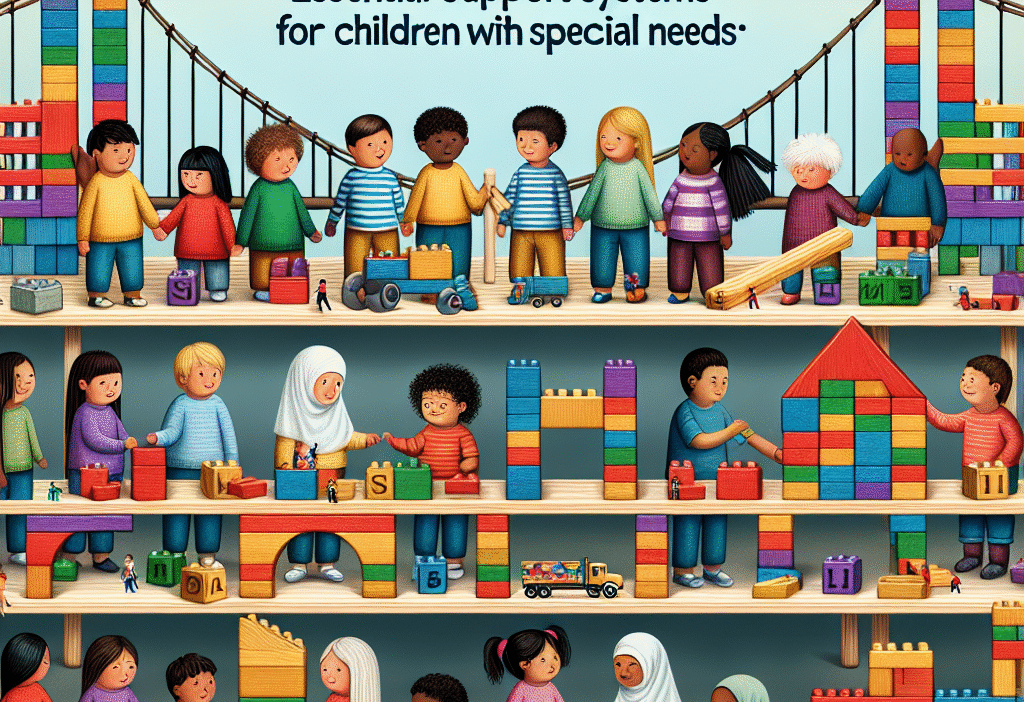
Building Bridges: Essential Support Systems for Children with Special Needs
Introduction
Every child deserves a strong foundation to thrive, especially those with special needs. The journey of nurturing these children goes beyond conventional education; it requires Building Bridges: Essential Support Systems for Children with Special Needs.🌈 This comprehensive guide delves into the multifaceted support systems essential for empowering these children and their families.
In this article, we will explore various support mechanisms, including educational strategies, family involvement, community resources, and advocacy initiatives. By the end of this read, you will have actionable insights and valuable information to make an impactful difference in the lives of children with special needs.
Understanding Special Needs
What Are Special Needs?
Special needs encompass a wide range of physical, developmental, emotional, and behavioral challenges that require tailored support. According to the CDC, 1 in 6 children in the U.S. has a developmental disability. Recognizing these needs is the first step in building effective support systems.
Common Types of Special Needs
- Cognitive Impairments: Conditions such as Down syndrome, autism spectrum disorder (ASD), and learning disabilities.
- Physical Disabilities: Conditions affecting mobility, like cerebral palsy or muscular dystrophy.
- Emotional and Behavioral Disorders: Challenges like ADHD, anxiety, and depression that impact a child’s emotional well-being.
Understanding these various categories enables parents, educators, and caregivers to identify appropriate support mechanisms.
Building Support Systems: The Key Components
1. Effective Educational Strategies
Education serves as a critical pillar in the development of children with special needs. Here are essential educational strategies that assist in building strong bridges:
Individualized Education Plans (IEPs)
An IEP is a blueprint for a child’s educational success, tailored to their unique needs. It sets specific goals, accommodations, and modifications required.
- Actionable Steps to Create an IEP:
- Assess the Child’s Needs: Gather data through evaluations and observations.
- Set Goals: Collaborate with educators and specialists to outline specific, measurable objectives.
- Review and Adapt: Regularly evaluate the IEP’s effectiveness and make necessary adjustments.
Inclusive Education
Inclusive classrooms foster environments where children with and without special needs learn together. This approach emphasizes collaboration, tolerance, and mutual respect.
- Benefits of Inclusive Education:
- Social Integration: Enhances social skills and friendships.
- Exposure: Provides a broad spectrum of viewpoints and interactions.
| Benefits of Inclusive Education | Impact on Child Development |
|---|---|
| Social Skills Development | Increased Confidence |
| Academic Performance | Improved Learning Outcomes |
| Empathy and Understanding | Enhanced Emotional Intelligence |
2. Family Involvement
Family plays an indispensable role in the success of children with special needs. Engaging relatives and caregivers can foster strong support systems.
Education and Training
Educating families about their child’s specific needs, rights, and available resources is crucial.
- Workshops and Support Groups: These initiatives connect families and provide them with tools to cope and advocate effectively.
Communication
Encouraging open dialogue between families and professionals can bridge gaps in understanding.
- Promoting Transparency: Regular meetings, updates, and monitoring progress can empower families to take an active role.
3. Community Resources
Communities serve as vital support systems for families of children with special needs. Various local resources can make a significant difference.
Nonprofit Organizations
Many nonprofits provide resources, advocacy, and support for families.
- Examples include: The ARC, Special Olympics, and the National Down Syndrome Society.
Local Services and Programs
From therapy centers to recreational programs, local services can enhance the overall well-being of children.
- Actionable Tip: Research and connect with local organizations providing tailored services for children with special needs.
4. Advocacy Initiatives
Advocacy can drive systemic changes that improve support systems for children with special needs.
Empowering Families
Educating families about their rights and how to advocate for their children is essential.
- Key Messages:
- Understanding the Individuals with Disabilities Education Act (IDEA).
- Familiarizing oneself with local and national advocacy organizations.
Community Mobilization
Encouraging the community to engage in advocacy can create a ripple effect of awareness and support.
- Actionable Steps:
- Join Local Advocacy Groups: Connect with like-minded individuals to amplify your impact.
- Participate in Awareness Campaigns: Help spread information regarding challenges faced by children with special needs.
Building Emotional and Social Support
1. Counseling and Therapeutic Services
Emotional and mental health support is crucial for children with special needs and their families.
Therapy Options
- Individual Therapy: This focuses on the child’s specific emotional challenges.
- Family Therapy: Engages the whole family to work through challenges together.
2. Social Skills Training
Children with special needs may face unique challenges in social interaction.
- Action Steps for Social Skills Training:
- Role-Playing Scenarios: Practice common social situations.
- Group Activities: Encourage participation in social skills groups to foster real-world interactions.
| Therapeutic Services | Impact on Child Development |
|---|---|
| Cognitive-Behavioral Therapy (CBT) | Improved Emotional Regulation |
| Play Therapy | Enhanced Communication Skills |
| Speech and Language Therapy | Better Expression and Understanding |
The Role of Technology in Support Systems
Technology is becoming increasingly integral in supporting children with special needs.
1. Assistive Technology
Devices and apps can assist in communication, learning, and daily tasks.
- Examples Include:
- Communication devices for non-verbal children.
- Educational software tailored for learning disabilities.
2. Online Support Networks
Many online platforms provide resources, forums, and community support for families.
- Importance of Online Communities:
- Peer Support: Families can share their experiences and coping strategies.
- Access to Information: A wealth of resources readily accessible online.
Success Stories: Building a Positive Outlook
1. Real-Life Examples
While we cannot delve into specific case studies, consider the numerous inspiring stories of children who have thrived with the right support systems in place.
- Essence of Hope: Children overcoming obstacles through a network of support, tailored education, and community involvement.
2. The Power of Positivity
Author and motivational speaker Mel Robbins once said, “You are never too old to start a new goal or dream a new dream.” This sentiment resonates deeply with the families of children with special needs as they navigate their unique journeys.✨
Conclusion
Building bridges through essential support systems for children with special needs is vital to their growth and development. The combination of effective educational strategies, family involvement, community resources, and advocacy can create a nurturing environment.
As you reflect on the insights shared in this article, remember that every child is unique, and support systems should be customized to their individual needs. Empower yourself and others to be champions of change, advocating and supporting those who may not have a voice. Together, we can build stronger, more inclusive communities for all. 💪🌟
FAQs
1. What is an IEP?
An Individualized Education Plan (IEP) is a written document that outlines a child’s specific learning needs, goals, and services in an educational setting.
2. How can I find local resources for my child?
Search local nonprofit organizations or educational businesses focused on special needs, or contact local schools for recommendations.
3. Can technology really help children with special needs?
Yes, assistive technology can significantly improve communication, learning, and daily living skills for children with special needs.
4. How can I advocate for my child?
Educate yourself on your child’s rights; connect with advocacy organizations, and participate in local forums.
5. Is it possible for children with special needs to succeed?
Absolutely! With the right support systems, encouragement, and resources, children with special needs can thrive in many aspects of life.
This article provides an in-depth look into Building Bridges: Essential Support Systems for Children with Special Needs. It serves to inform, empower, and inspire readers to engage actively with these systems, ensuring a brighter and more inclusive future for our children.