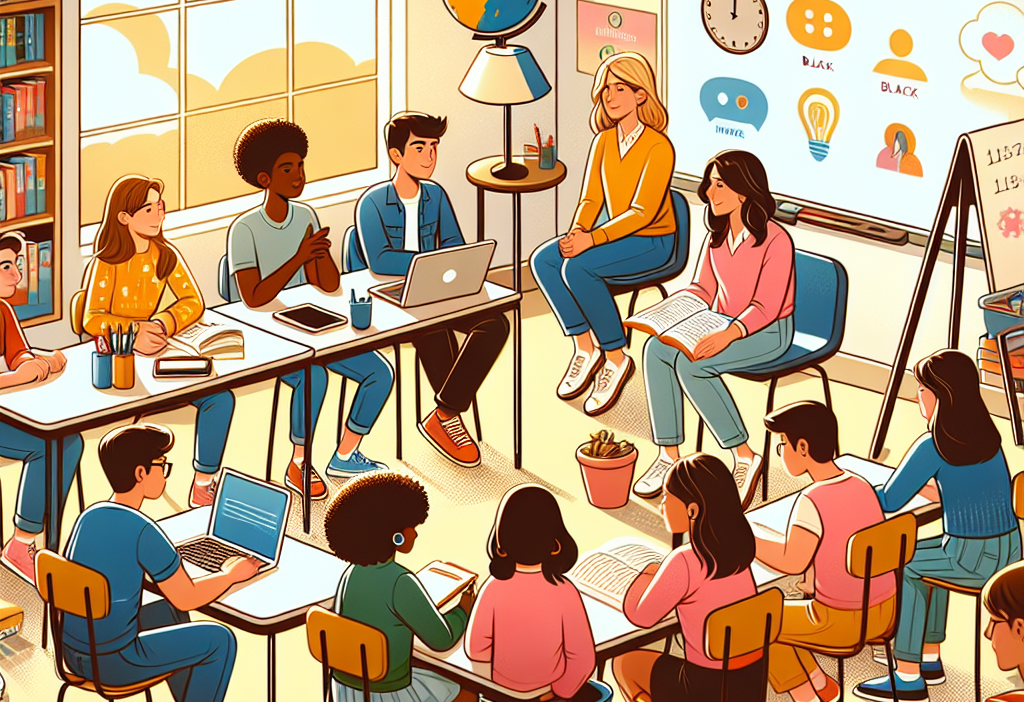
In today’s diverse educational landscape, fostering an inclusive classroom environment is more essential than ever. Not only does it ensure that every student feels valued and respected, but it also enriches the learning experience for all. This article, Building an Inclusive Classroom: Strategies to Enhance Communication for All, delves into effective strategies to create an inclusive environment that enhances communication, understanding, and engagement among all students.
Introduction
Imagine walking into a classroom where every student feels seen, heard, and understood. Where differences are celebrated, and each individual brings a unique perspective to the collective learning experience. This is not just a dream—it’s a reachable goal.
The journey toward building an inclusive classroom doesn’t have to be daunting. With the right strategies, educators can enhance communication for all students, paving the way for an enriching educational environment. In this article, we will explore comprehensive strategies to build an inclusive classroom that caters to the diverse needs of all students, emphasizing actionable steps to enhance communication and facilitate meaningful interactions.
Why Focus on Inclusive Communication?
Effective communication is the cornerstone of any successful classroom. Inclusive communication acknowledges the diverse backgrounds, abilities, and perspectives of all students. It encourages participation, fosters healthier relationships, and significantly improves educational outcomes. When we prioritize inclusive communication, we not only support students with specific needs but also create an environment that benefits every learner.
Strategies to Enhance Communication: Creating an Inclusive Classroom
1. Establish Clear Communication Channels
One of the fundamental steps in building an inclusive classroom is establishing clear communication channels. This involves setting up consistent ways for students to interact, ask questions, and express their thoughts and feelings.
A. Use Multiple Forms of Communication
- Verbal Communication: Encourage open dialogue through group discussions and pair-sharing.
- Written Communication: Utilize platforms like Google Classroom or Padlet for students to share ideas in writing.
- Visual Aids: Incorporate infographics or charts that visually represent key concepts.
📊 Example: Create a communication board in your classroom where students can pin questions, ideas, or feedback. This promotes a shared sense of community and belonging.
B. Foster a Safe Environment for Expression
A classroom that encourages risk-taking in communication cultivates confidence. Set ground rules that promote respect and kindness, and use icebreakers to create a supportive atmosphere.
2. Embrace Differentiated Instruction
Differentiated instruction is crucial for meeting the diverse needs of learners. By tailoring your teaching methods to accommodate various learning styles, you create multiple pathways for effective communication.
A. Tailor Activities to Individual Needs
- Group Work: Group students by interests or skill levels for collaborative tasks, ensuring more personalized communication.
- Varied Assignments: Offer options for how students can demonstrate their learning, whether through presentations, models, or written reports.
💡 Tip: Use student surveys to assess preferences and interests. This will guide your differentiated instruction efforts.
3. Implement Assistive Technologies
Advancements in technology offer incredible tools for enhancing communication in the classroom. Using assistive technologies or communication apps can make learning more accessible.
A. Explore Communication Tools
- Speech-to-Text Applications: Ideal for students with writing difficulties.
- Text-to-Speech Software: Beneficial for students with reading challenges.
4. Encourage Peer Collaborations
Peer interaction paves the way for rich discussions and enhances communication. Group work not only helps develop social skills but also encourages learning from one another.
A. Implement Peer Mentoring Programs
Pair students with different skill sets to foster peer mentorship. This can be especially effective for languages, sciences, and math.
🤝 Example: Create a buddy system where more advanced students provide guidance to their peers, nurturing a collaborative learning environment.
5. Conduct Regular Feedback Surveys
Incorporating regular feedback mechanisms empowers students and respects their voices. It allows for modifications in teaching strategies to suit the needs of the class.
A. Utilize Anonymous Surveys
Conduct surveys that inquire about students’ comfort levels in communicating. This will help you identify barriers and adjust your methods accordingly.
📄 Suggestion: Implement quarterly surveys focused on the inclusivity of classroom communication.
6. Develop Emotional Intelligence in Communication
Understanding emotions is key to effective communication. Educators can incorporate social-emotional learning (SEL) practices to enhance students’ emotional intelligence.
A. Teach Empathy and Active Listening
Incorporate lessons on active listening and empathy through role-playing exercises. These can help students understand different perspectives and respond appropriately.
👂 Example: Conduct ‘listening circles’ where students can practice sharing and reflecting on each other’s experiences.
7. Create a Culturally Responsive Environment
Celebrating cultural diversity fosters an inclusive environment where communication can thrive. Recognize and integrate various cultural backgrounds into the curriculum.
A. Reflect on Curriculum Content
Adjust your curriculum to include multicultural perspectives. This not only broadens the scope of discussions but also validates students’ identities.
🌍 Tip: Invite guest speakers from diverse backgrounds to share their stories and experiences. This can enrich the classroom dialogue significantly.
Visual Aids: Enhancing Understanding
Insert relevant images or charts here to complement the text and provide visual understanding of communication strategies, such as a flowchart demonstrating types of communication or an infographic on differentiated instruction methods.
Conclusion
Building an inclusive classroom is an ongoing journey, requiring commitment, creativity, and a willingness to adapt. By embracing strategies to enhance communication for all students, educators can create a vibrant learning environment where everyone feels valued and empowered.
In summary, focus on establishing clear communication channels, employing differentiated instruction, utilizing assistive technologies, encouraging peer collaboration, gathering feedback, teaching emotional intelligence, and creating a culturally responsive classroom. Implementing these strategies can profoundly transform the learning experience for all students.
🌟 Inspiration: Remember, creating an inclusive classroom is not just about meeting academic needs; it’s about fostering a community of learners who can thrive both intellectually and socially. Your efforts will pave the way for a brighter, more equitable educational future.
FAQs
1. What is an inclusive classroom?
An inclusive classroom is one that acknowledges and embraces the diverse backgrounds, abilities, and perspectives of all students, offering equitable opportunities for participation and communication.
2. How do I establish clear communication in my classroom?
You can establish clear communication by using multiple forms of communication like verbal, written, and visual tools, ensuring consistency in how students can express their thoughts.
3. How does differentiated instruction help in communication?
Differentiated instruction meets individual learning needs and styles, allowing students to communicate and collaborate more effectively based on their strengths.
4. What role does technology play in an inclusive classroom?
Technology provides various tools that enhance accessibility, making it easier for students with diverse needs to communicate and engage in learning.
5. How can I promote a culturally responsive environment?
Incorporate multicultural perspectives into your curriculum, celebrate diversity through activities, and invite guest speakers to create a more inclusive learning atmosphere.
By integrating these strategies, you can embark on the rewarding journey of building an inclusive classroom that enhances communication for all—truly, a classroom where every student can thrive.