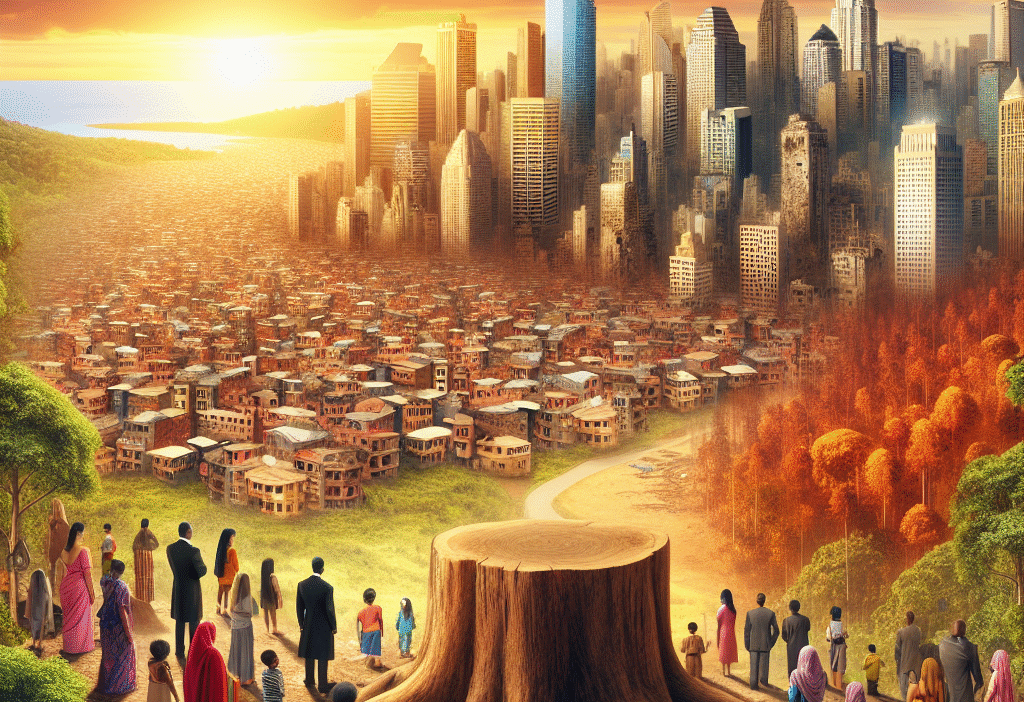
Beneath the Surface: The Ultimate Impact of Population Growth on Natural Resources in Developing Countries
Introduction
Imagine a world where resources are abundant and sustainable, where communities thrive in harmony with nature. Now, imagine that this ideal scenario is threatened by the rapid growth of human populations. Beneath the Surface: The Impact of Population Growth on Natural Resources in Developing Countries is a critical exploration of how demographic shifts are straining the Earth’s finite resources, particularly in developing nations.
As the global population is projected to reach almost 10 billion by 2050, the implications for our natural resources—water, food, and energy—are profound. This article will delve into the intricate relationship between population growth and natural resource depletion, revealing actionable insights and exploring potential solutions to ensure a sustainable future.
The Population Boom: A Global Snapshot 🌍
Demographic Trends
Understanding the current demographic landscape is essential to grasp the impact on natural resources. According to the United Nations, the world population reached 7.9 billion in 2021, with developing countries accounting for much of this growth. Regions such as Sub-Saharan Africa, South Asia, and parts of Latin America are witnessing unprecedented population surges.
Key Statistics
| Region | Current Population (2021) | Projected Population (2050) |
|---|---|---|
| Sub-Saharan Africa | 1.1 billion | 2.5 billion |
| South Asia | 1.9 billion | 2.5 billion |
| Latin America | 652 million | 730 million |
Source: United Nations Department of Economic and Social Affairs
This startling uptick emphasizes the urgent need to address the consequences on resources.
Natural Resources Under Pressure
The convergence of a growing population and limited resources creates a critical challenge. Natural resources such as water, arable land, and fossil fuels are finite. Growing populations increase demand, leading to overexploitation, degradation, and ultimately, scarcity.
“We cannot solve our problems with the same thinking we used when we created them.” – Albert Einstein
This quote encapsulates the need for innovative solutions to mitigate these challenges.
Water: The Lifeblood of Development 💧
Importance of Freshwater
Water is a crucial resource for human survival, agriculture, and industry. Unfortunately, the increasing population in developing countries has led to unsustainable water extraction.
Water Scarcity in Developing Nations
- Over-extraction: Groundwater depletion has become rampant in regions like India, where excessive use has diminished aquifers.
- Pollution: Increased waste due to population density has tainted many freshwater sources, further exacerbating scarcity.
The Water-Food Nexus
The agricultural sector is the largest consumer of freshwater, accounting for nearly 70% of global water usage. As populations grow, food production must keep pace, leading to stress on already strained water resources.
Visual Representation
Insert Chart: Water Usage Breakdown by Sector
Food Security: A Growing Concern 🌾
Agricultural Challenges
With more mouths to feed, the pressure on agricultural systems escalates. Developing countries face unique challenges, including:
- Land Degradation: Due to unsustainable farming practices, arable land is diminishing.
- Climate Change: This not only affects crop viability but also exacerbates food shortages in vulnerable regions.
Sustainable Agriculture Practices
To counteract the adverse effects, developing countries are increasingly adopting sustainable agricultural methods:
- Agroforestry: Integrating trees into agricultural landscapes can improve biodiversity and reduce soil erosion.
- Organic Farming: Utilizing organic methods can help increase yields while preserving soil health.
Energy Resources: The Quest for Sustainability ⚡
Reliance on Fossil Fuels
As populations rise, so does the demand for energy. Many developing countries are heavily reliant on fossil fuels, leading to:
- Environmental Degradation: Extractive industries can worsen pollution and habitat loss.
- Energy Insecurity: Fluctuating oil prices can destabilize economies, particularly those heavily reliant on energy exports.
Renewable Energy Solutions
Transitioning to renewable energy sources presents a viable solution:
- Solar Power: With abundant sunlight in many developing regions, solar energy can provide a sustainable alternative.
- Wind Energy: Although site-dependent, wind energy can be harnessed for clean power generation.
Visual Representation
Insert Image: Renewable Energy Sources in Developing Countries
The Social Implications of Resource Depletion 📉
Health and Well-Being
As resources dwindle, the implications for public health become increasingly severe. Water scarcity may lead to:
- Waterborne Diseases: Lack of clean water can result in illness and mortality, particularly among children.
- Malnutrition: Food insecurity can lead to diverse health issues, impacting productivity and social stability.
Economic Consequences
Resource depletion can stall economic development. Countries reliant on natural resources may face:
- Increased Poverty: With dwindling resources, countless communities are thrust into poverty, leading to social unrest.
- Unemployment: The decline of resource-based industries directly impacts job availability.
Strategies for Mitigation 🌱
Policy Recommendations
To address the challenges posed by population growth on natural resources in developing countries, specific strategies should be implemented:
Toward Integrated Resource Management: Governments must adopt holistic policies that consider the interactions between multiple resources.
Investment in Education: Educating the population about sustainable practices boosts awareness and encourages responsible resource use.
- Strengthening Infrastructure: Upgrading water, energy, and transportation infrastructure is vital for supporting sustainable development.
Community Initiatives
Grassroots movements can play an instrumental role:
- Local Farming Cooperatives: Uniting farmers for sustainable practices increases resilience to resource scarcity.
- Water Conservation Campaigns: Engaging communities in conservation initiatives can yield significant results in resource preservation.
Call to Action: Empowering Solutions
While the challenges presented by Beneath the Surface: The Impact of Population Growth on Natural Resources in Developing Countries are immense, they are not insurmountable. Collective action can lead to transformative solutions that not only address resource depletion but also improve quality of life for millions.
“The best way to predict the future is to create it.” – Peter Drucker
Let us be proactive in shaping a sustainable future.
Conclusion
As we explore Beneath the Surface: The Impact of Population Growth on Natural Resources in Developing Countries, it becomes evident that proactive measures are necessary to mitigate the adverse effects of demographic changes on the environment. From water and food security to energy resources, each component is interlinked, highlighting the need for integrated solutions.
We must remember that it is not just about managing resources more efficiently; it’s about rethinking our approach altogether. By supporting educational initiatives, implementing sustainable agricultural techniques, and transitioning to renewable energy sources, we have the opportunity to create a more sustainable, equitable future for all.
FAQs
Q1: What are the primary natural resources impacted by population growth?
A1: The key natural resources affected include freshwater, arable land, and energy sources.
Q2: How does population growth affect food security?
A2: Increased population leads to higher demand for food, often resulting in overexploited agricultural land and unsustainable practices.
Q3: What role do governments play in managing natural resource challenges?
A3: Governments can adopt integrated policies, invest in infrastructure, and promote community engagement to manage resources sustainably.
Q4: How can individuals contribute to sustainable development?
A4: Individuals can reduce water waste, support local farmers, and advocate for renewable energy initiatives.
Q5: What is the importance of education in resource management?
A5: Education fosters awareness about sustainable practices, empowering individuals to make conscious decisions that benefit both society and the environment.
By exploring Beneath the Surface: The Impact of Population Growth on Natural Resources in Developing Countries, we not only equip ourselves with knowledge but also create an opportunity for solution-oriented discussions that can lead to meaningful change. Let us act now, for the well-being of our planet and future generations. 🌱
For more insights, related topics, and resources on sustainability, visit myjrf.com.