Introduction
In today’s world, the discussion surrounding gender dynamics is more relevant than ever. As societal norms evolve, understanding how these dynamics play out within family power structures becomes crucial for fostering equality and harmony. 🌍
This article will delve deep into the intricate layers of gender dynamics within families—exploring how power is distributed, the cultural implications, and practical methods to balance these scales. Whether you are seeking to improve your family dynamics, further your understanding of gender studies, or promote equitable power distribution in your household, this extensive exploration will equip you with the insights and tools necessary.
Why Gender Dynamics Matter
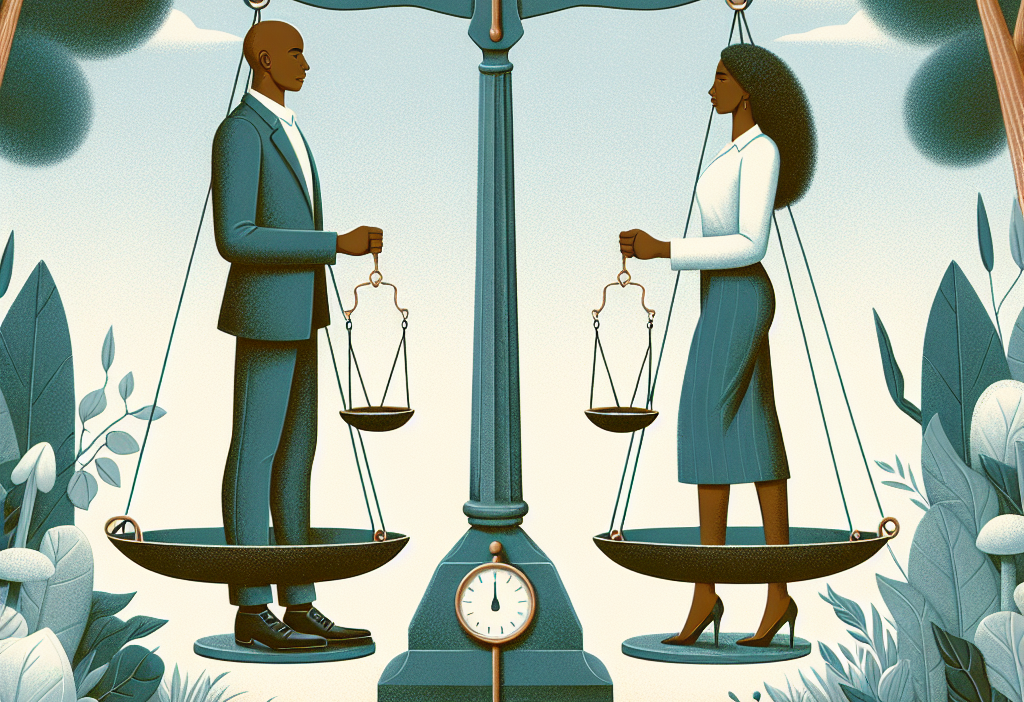
Understanding family power dynamics helps us comprehend broader societal issues. It affects not only relationships but also economic stability, mental health, and social cohesion. Thus, by "Balancing the Scales: Understanding Gender Dynamics in Family Power Structures," we can pave the way for healthier interpersonal relationships and societal growth.
Understanding Gender Dynamics
What Are Family Power Structures?
Family power structures refer to the way authority, influence, and responsibilities are allocated within a family unit. These structures can vary significantly based on culture, socioeconomic status, and individual family values. Key elements that define these power structures include:
- Decision-Making: Who makes crucial family decisions, such as financial choices or family planning?
- Resource Allocation: How are resources like time, money, and emotional support distributed?
- Role Expectations: What roles does each family member fulfill? Are they flexible or rigid?
Types of Family Power Structures
Patriarchal Structure: Dominated by male authority, this structure traditionally sees men making the primary decisions and holding economic control.
Matriarchal Structure: In contrast, matriarchal families see women in leadership roles, guiding decisions and nurturing relationships.
- Egalitarian Structure: This model promotes equal participation from all family members, valuing input from everyone regardless of gender.
Cultural Influences on Gender Dynamics
Culture plays a significant role in shaping the dynamics of gender within family structures. For instance:
- In Western cultures, there has been a gradual shift towards egalitarianism, with women increasingly participating in the workforce and decision-making processes.
- Meanwhile, in Eastern cultures, traditional roles often persist, where women may predominantly handle domestic responsibilities.
Impact of Gender Dynamics on Relationships
Family power dynamics have profound implications for personal relationships. Unequal power structures can lead to:
- Resentment: Imbalance in responsibilities can cause frustration among family members.
- Communication Issues: Lack of voice or recognition can stifle open dialogue, leading to misunderstandings.
- Emotional Strain: Constant power struggles can affect mental health and familial bonds.
Table 1: Family Power Structure Types and Characteristics
| Structure Type | Key Characteristics | Pros | Cons |
|---|---|---|---|
| Patriarchal | Male-led decision-making | Clear hierarchy | Potential for oppression |
| Matriarchal | Female-led decision-making | Strong emotional support | Risk of undervaluation of men |
| Egalitarian | Equal participation | Shared responsibility | Can lead to indecisiveness |
The Evolution of Gender Dynamics in Families
Historical Context
Historically, family roles were clearly defined, with patriarchal structures dominating for centuries. However, significant social movements, such as feminism and the civil rights movement, began to challenge these norms. Key changes include:
- Education: Increased access for women has led to greater career opportunities.
- Policy Changes: Laws around marriage, divorce, and workplace rights have evolved, promoting more equitable partnerships.
Contemporary Family Dynamics
Today, family dynamics are more fluid, with joint decision-making becoming increasingly common. However, challenges remain:
- Work-Life Balance: Many families struggle with balancing work commitments and family responsibilities, causing stress and conflict.
- Social Media Influence: The perception of “ideal” family structures on social media can perpetuate unrealistic expectations.
Steps Towards Balance
Step 1: Open Communication
Establishing open lines of communication is vital. Encourage each family member to express thoughts and feelings without judgment.
Step 2: Roles and Responsibilities
Clearly define roles, ensuring that responsibilities are distributed fairly. This prevents burnout and fosters cooperation.
Step 3: Education and Awareness
Educate all family members about gender dynamics. Offering insights into these structures can foster understanding and empathy.
Actionable Strategies for Improvement
1. Conduct a Family Meeting
Gather everyone in the family for a discussion about roles and responsibilities. Use this time to:
- Share feelings about the current power dynamics.
- Discuss what changes could enhance equality.
2. Create a Family Agreement
Draft a family agreement that outlines expectations, roles, and responsibilities. Consider including:
- Decision-Making Processes: How decisions will be made collectively.
- Conflict Resolution: Steps to resolve disagreements.
3. Practice Mutual Respect
Encourage a culture of respect where each family member’s input is valued. Use positive reinforcement to acknowledge contributions.
4. Encourage Individual Growth
Support each family member’s personal development, whether through education, hobbies, or career advancement. Personal success can lead to enhanced family dynamics.
Table 2: Family Improvement Strategies
| Strategy | Action Items | Expected Outcomes |
|---|---|---|
| Family Meeting | Schedule regular discussions | Improved communication |
| Family Agreement | Draft and revisit as needed | Clear expectations |
| Practice Mutual Respect | Use “I” statements in discussions | Enhanced understanding |
| Encourage Individual Growth | Support education and hobbies | Increased self-esteem and empowerment |
Challenges in Balancing Power
The Gaps in Traditional Views
While progressive views encourage equality, traditional beliefs and biases often linger. Challenges faced in balancing family power include:
- Gender Stereotypes: These can create barriers to equitable roles in a family.
- Societal Expectations: Pressure to conform to traditional views of family can hinder progress towards egalitarian dynamics.
Emotional Resistance
Changing established power dynamics can evoke emotional responses:
- Fear of Losing Control: Individuals may resist change due to fear of losing their current power.
- Past Experiences: Previous negative experiences in relationships can create apprehension towards open communication.
Empowering Change
Create Safe Spaces
Establish environments where family members feel safe to express their thoughts. This can be achieved through:
- Individual Check-ins: Regular, one-on-one discussions to explore feelings and challenges.
- Conflict Resolution Strategies: Provide tools and guidance on how to navigate disagreements constructively.
Visual Representation: Gender Dynamics Cycle
plaintext
[Societal Expectations]
↓
[Gender Stereotypes]
↓
[Emotional Resistance]
↓
[Family Dynamics]
↓
[Empowerment and Change]
The Role of External Factors
Workplace Influence
The workplace has a considerable influence on family dynamics. As more families rely on dual incomes, the question of work-related power dynamics arises:
- How work responsibilities affect family roles.
- The impact of parental leave policies on family power structures.
Media Representation
Media plays a significant role in shaping perceptions of gender roles. Popular culture often portrays traditional structures, though more modern programming reflects egalitarian values.
Community Support
Community resources such as support groups and workshops can assist families in navigating gender dynamics effectively. Engaging with community initiatives can create a support system for families striving for balance.
Conclusion
Balancing the scales of gender dynamics in family power structures is a crucial pursuit that requires conscious effort and continuous dialogue. As we’ve explored, the path to equity involves open communication, clear expectations, and a willingness to grow.
By understanding the inherent dynamics at play, we can work towards more harmonious family environments where all voices are heard and valued. 💪 Let this article inspire you to take actionable steps, fostering a culture of respect and equality within your own family.
FAQs
1. What are the common challenges families face regarding gender dynamics?
Families often struggle with stereotypes, communication barriers, and resistance to change, all of which can hinder balanced power structures.
2. How can families promote equality among members?
Open communication, clearly defined roles, and mutual respect are key to promoting equality in family dynamics.
3. What is the significance of family agreements?
Family agreements outline expectations and responsibilities, fostering clarity and accountability among family members.
4. How does the workplace impact family dynamics?
The need for dual-income families often leads to conversations about shared responsibilities and support, influencing power structures within the home.
5. What resources are available for families seeking to improve their dynamics?
Community support groups, workshops, and educational materials can offer guidance and tools for families looking to enhance their understanding of gender dynamics.
By empowering ourselves with knowledge about family power structures, we can actively participate in "Balancing the Scales: Understanding Gender Dynamics in Family Power Structures." Reach out to family, friends, and communities to promote equitable practices for a better future!