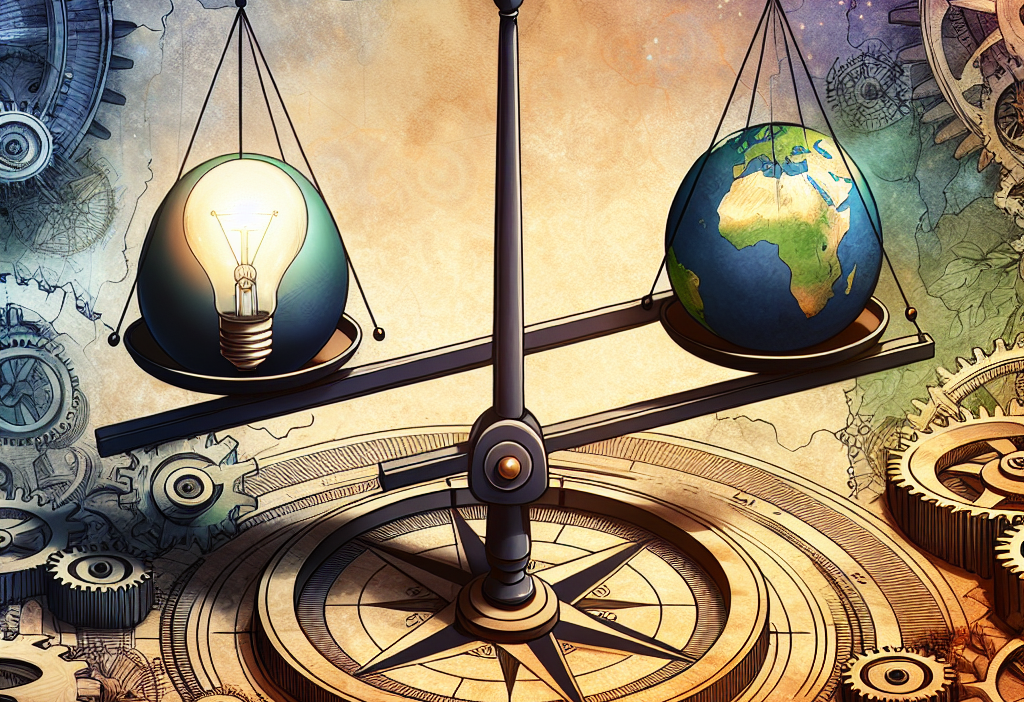
Balancing Act: Navigating the Strategic Implications of Dual-Use Technologies
Introduction
In a world rapidly transitioning to advanced technology, the term "dual-use technologies" is becoming increasingly prominent. These are technologies designed for civilian purposes but have the potential to be adapted for military applications. The phrase encapsulates a balancing act: while these innovations can foster growth and improve lives, they also hold significant risks when misused. 🌐 With governments and organizations worldwide keenly aware of the dual-edged sword of these technologies, understanding the strategic implications becomes essential.
This article aims to delve deeper into the intricacies of dual-use technologies. We will explore their defining features, the ethical and security implications, and offer insights into navigating the complex landscape shaped by these innovations. Readers will leave equipped with actionable strategies and a clear understanding of the associated risks and rewards.
Understanding Dual-Use Technologies
What Are Dual-Use Technologies?
At its core, dual-use technologies can be defined as innovations that can serve both beneficial civilian purposes and potentially harmful military applications. Examples include artificial intelligence, biotechnology, and advanced materials. These technologies play vital roles in fields like healthcare, agriculture, and information technology, while also posing threats when utilized in military settings.
Characteristics of Dual-Use Technologies:
| Characteristic | Description |
|---|---|
| Versatility | Applicable in both civilian and military contexts. |
| Innovation Potential | Rapidly evolving, offering new capabilities. |
| Risk of Misuse | Can be adapted for malicious purposes. |
| Regulatory Challenges | Difficult to monitor and control effectively. |
Categories of Dual-Use Technologies
Understanding the categories of dual-use technologies can help us navigate their complexities more effectively. Below are key categories and their implications:
Biotechnology
- Pros: Advances in healthcare, agriculture, and environmental sustainability.
- Cons: Potential for bioterrorism or the creation of harmful biological agents.
Artificial Intelligence (AI)
- Pros: Enhancements in automation, efficiencies across industries.
- Cons: Development of autonomous weapons systems that could lead to uncontrollable warfare.
Advanced Materials
- Pros: Innovations in construction, aerospace, and manufacturing.
- Cons: Dual applications in weaponry and military armor advancements.
- Cyber Technologies
- Pros: Facilitating global communications and security.
- Cons: Vulnerability to cyberattacks and espionage.
The Strategic Implications of Dual-Use Technologies
1. Ethical Considerations
One of the primary concerns surrounding dual-use technologies is their ethical implications. This involves evaluating the potential consequences of scientific advancements. Should scientists and engineers be held accountable for the dual-use nature of their creations? A critical quote by physicist Vannevar Bush encapsulates the dilemma well: "The science has advanced to the point where it needs to be government regulated."
2. National Security Threats
With dual-use technologies, countries face unique challenges in terms of national security. Military applications may evolve faster than regulatory frameworks can adapt. A highly relevant example includes the use of AI in warfare, which poses risks of autonomous systems making decisions that can have lethal consequences without human intervention.
National Security Threat Matrix:
| Threat | Description |
|---|---|
| Espionage | Countries may spy on each other to access dual-use technologies. |
| Information Warfare | The use of AI can lead to misinformation and manipulation of public opinion. |
| Terrorism | Non-state actors could exploit these technologies for nefarious purposes. |
Navigating the Balancing Act
In this evolving landscape, how can stakeholders effectively navigate the strategic implications of dual-use technologies?
1. Comprehensive Governance Frameworks
To successfully manage dual-use technologies, a robust governance framework is essential. This includes:
- Policy Development: Governments should develop clear policies that differentiate between civilian and military applications.
- International Cooperation: Countries must work together to establish norms and guidelines for the use of these technologies.
2. Public Engagement and Education
Stakeholders must also consider the role of public perception and engagement. Transparency and communication foster trust and ensure that innovations serve their intended purposes:
- Outreach Programs: Initiatives aimed at educating the public about the benefits and risks of dual-use technologies can create a more informed society.
- Participatory Policy-Making: Engage the public in discussions surrounding the ethical implications of technological advancements.
3. Ethical Innovation Practices
Companies and researchers should employ ethical practices when developing dual-use technologies:
- Ethics Review Boards: Establish independent boards to review projects for potential dual-use implications.
- Stakeholder Involvement: Include diverse perspectives in developmental processes to identify and mitigate risks early on.
Example of Ethical Decision-Making Framework:
| Step | Action |
|---|---|
| Identify Risks | Assess dual-use potential early in projects. |
| Evaluate Implications | Consider societal, ethical, and security factors. |
| Consult Stakeholders | Engage with a range of stakeholders for feedback. |
| Monitor and Adapt | Continually revise practices as technology evolves. |
4. Research and Development
Investing in research and development can illuminate the benefits of dual-use technologies. Stakeholders should focus on:
- Dual-Use Research Funding: Allocate resources to projects that yield societal benefits while safeguarding against misuse.
- Interdisciplinary Approaches: Collaborate across fields to understand the broader implications of technologies.
Importance of Interdisciplinary Collaboration:
| Field of Study | Contribution |
|---|---|
| Engineering | Developing safer applications of technologies. |
| Law | Crafting compelling regulations and legal frameworks. |
| Social Sciences | Understanding the societal impacts of advancements. |
Conclusion
The balancing act of navigating the strategic implications of dual-use technologies is filled with complexity and challenges. By establishing comprehensive governance frameworks, promoting public engagement, emphasizing ethical innovation, and investing in relevant research, stakeholders can effectively manage these dual-use technologies.
Investing in dual-use technologies is not merely a choice of innovation; it is a responsibility that affirms the ethical and secure advancement of society. As technology continues to evolve, staying informed and proactive in addressing its complexities will be essential for a safer and more equitable future.
FAQs
1. What are dual-use technologies?
Dual-use technologies are innovations that can serve both civilian and military purposes, such as biotechnology, artificial intelligence, and advanced materials.
2. Why are dual-use technologies a security concern?
These technologies pose risks because they can be adapted for harmful military applications, potentially leading to national security threats or misuse by non-state actors.
3. What steps can organizations take to mitigate risks?
Organizations should implement comprehensive governance frameworks, establish ethics review boards, and encourage public engagement in discussions about dual-use technologies.
4. How can policymakers balance innovation and security?
Policymakers should promote collaborative international governance, provide clear regulations, and prioritize research into the ethical implications of technologies.
5. How does public perception influence the development of dual-use technologies?
Public perception can impact the approval and acceptance of technologies. Engaging the public in discussions can foster understanding and trust, leading to more responsible innovation.
By understanding the strategic implications of dual-use technologies, we can navigate this elaborate landscape effectively. With the right frameworks in place, we can maximize the benefits while minimizing the risks, ensuring that technological advancements serve humanity in the best possible way.