

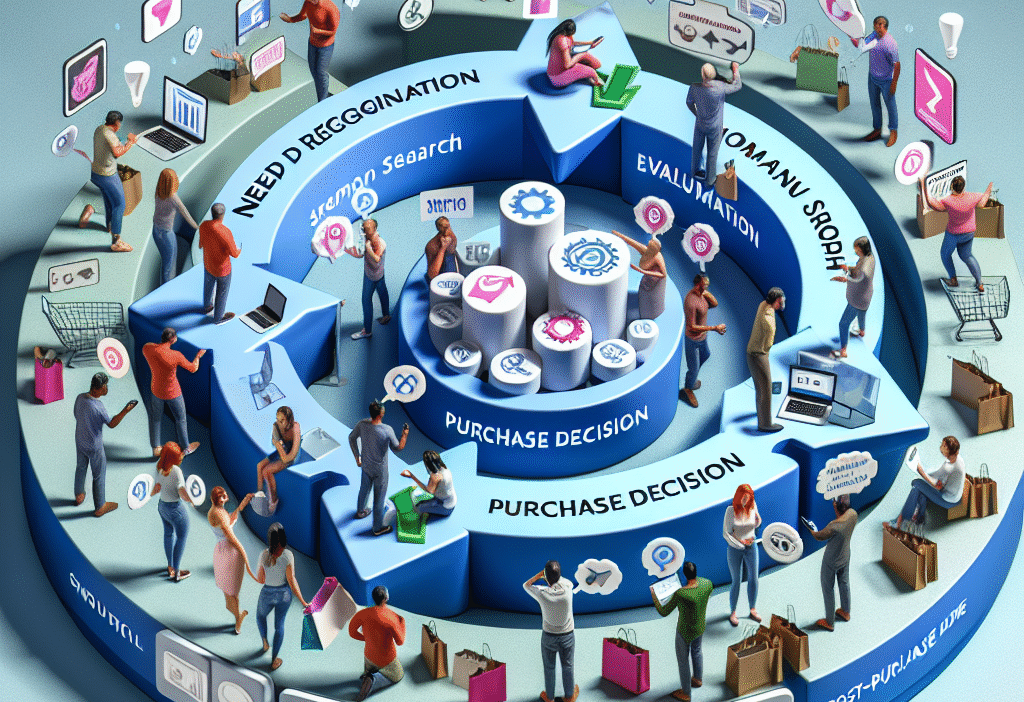
Unpacking the Consumer Buying Process: Key Steps and Influences That Drive Purchase Decisions
Introduction
In today’s competitive marketplace, understanding the consumer buying process is paramount for brands aiming to effectively engage and convert potential buyers. The journey from need recognition to the final purchase decision is complex and multifaceted, influenced by various psychological, social, and economic factors. 🌍
This article aims to provide a detailed exploration of the consumer buying process, breaking down the key steps and identifying the influences that drive purchase decisions. By unpacking these elements, marketers can better tailor their strategies to meet consumer needs, ultimately enhancing customer satisfaction and boosting sales.
What You’ll Learn:
- The five key stages of the consumer buying process.
- Influences that shape consumer behavior.
- Practical strategies brands can employ at each stage to drive conversions.
- Engaging visuals to simplify concepts and enhance retention.
The Five Stages of the Consumer Buying Process
The consumer buying process comprises five distinct stages: problem recognition, information search, evaluation of alternatives, purchase decision, and post-purchase behavior. Understanding each step is crucial for marketers to effectively guide consumers toward a purchase. Let’s delve into each stage in detail.
1. Problem Recognition
What It Is
Problem recognition is the initial stage of the consumer buying process. It occurs when a consumer identifies a need or a problem. This realization can stem from various sources, such as internal stimuli (personal needs) or external stimuli (advertising, peer influence).
Key Influencers
- Internal Factors: Personal experiences, emotions, and tastes.
- External Factors: Marketing campaigns, word-of-mouth, social media trends.
Example
Imagine a consumer who suddenly realizes their smartphone battery no longer holds a charge. This problem leads them to consider purchasing a new phone.
2. Information Search
What It Is
During the information search stage, consumers seek out information to address their problem. This search can be extensive or limited, depending on the nature of the purchase.
Types of Information Sources
- Internal Search: Recalling past experiences and information from previous purchases.
- External Search: Exploring reviews, conducting online research, and consulting friends.
Strategies for Brands
- Content Marketing: Provide valuable content (blogs, videos) addressing common consumer questions.
- SEO Optimization: Ensure your content ranks well in search engines for relevant keywords.
3. Evaluation of Alternatives
What It Is
Once consumers gather information, they move into the evaluation of alternatives stage. Here, they compare different brands and products based on criteria such as features, benefits, pricing, and reviews.
Decision-Making Factors
- Brand Reputation: Established brands may have an edge due to trust.
- Feature Comparison: Specific attributes that cater to consumer needs.
- Price Sensitivity: Value for money plays a crucial role.
Visual Representation
| Criteria | Brand A | Brand B | Brand C |
|---|---|---|---|
| Price | $499 | $599 | $449 |
| Customer Ratings | 4.5/5 | 4.0/5 | 4.8/5 |
| Key Features | Long battery, great camera | Fast processor | Lightweight, durable |
4. Purchase Decision
What It Is
The purchase decision stage is where the consumer makes the final choice to buy a product. This decision may be influenced by subconscious and conscious factors, including price, promotions, or lingering doubts.
Categories of Purchase Decisions
- Compensatory: Consumers weigh pros and cons.
- Non-compensatory: Consumers may strictly adhere to specific criteria.
Encouraging Purchase
- Limited-Time Offers: Urgency can drive purchasing decisions.
- Easy Checkout Process: Streamlined online purchases reduce cart abandonment.
5. Post-Purchase Behavior
What It Is
The post-purchase behavior stage reflects how consumers feel after completing a purchase. This phase is vital for brands aiming to build customer loyalty and encourage repeat purchases.
Key Aspects
- Cognitive Dissonance: Post-purchase regret can occur if expectations aren’t met.
- Feedback and Reviews: Consumers may share their buying experience through reviews or social media.
Brand Strategies
- Follow-Up Communications: Sending thank-you emails or requesting feedback can enhance consumer trust.
- Loyalty Programs: Incentives for repeat customers can result in long-term brand advocacy.
Influences on the Consumer Buying Process
Understanding the influencers that affect each stage of the consumer buying process is key to designing effective marketing strategies. Below, we explore various factors that can impact consumer behavior.
Psychological Influencers
- Motivation: The desire to fulfill a need.
- Perception: How consumers view a brand or product can heavily influence their purchasing decisions.
Social Influencers
- Family and Friends: Peer recommendations can sway a consumer’s choice.
- Social Media Influencers: The power of endorsements from trusted figures can foster rapid brand awareness and loyalty.
Cultural Influencers
- Cultural Norms: Cultural values can dictate consumer needs and preferences.
- Subcultures: Specific segments of the population can have unique influences based on lifestyle.
Economic Influencers
- Personal Finances: A consumer’s financial situation can drastically alter their ability to purchase.
- Economic Climate: Broader economic conditions, like a recession, can shift consumer priorities.
Technological Influencers
- Information Accessibility: The internet and mobile technology have transformed how consumers gather information.
- E-commerce Growth: The ability to purchase products online has revolutionized the buying process by offering convenience and more options.
Practical Strategies for Brands
To successfully navigate the consumer buying process, brands must adopt specific strategies tailored to each stage. Below are actionable tips to engage consumers effectively.
1. Content Optimization
- Create Buyer Personas: Understand who your consumers are and what information they seek.
- SEO Best Practices: Utilize keywords naturally, including “unpacking the consumer buying process,” to ensure visibility.
2. Engage with Feedback
- Encourage Reviews: Ask satisfied customers to leave positive reviews, enhancing your product’s credibility.
3. Utilize Social Proof
- Showcase Testimonials: Leverage satisfied customer stories to build trust among potential buyers.
4. Implement Retargeting Ads
- Keep Your Brand Top-of-Mind: Use retargeting strategies to remind consumers of the products they were interested in.
5. Offer Incentives
- Promotions and Discounts: Use seasonal offers or exclusive deals to lure consumers at the critical purchase decision stage.
Conclusion
Unpacking the consumer buying process reveals that purchasing decisions are influenced by numerous factors operating at various stages. By understanding these stages—problem recognition, information search, evaluation of alternatives, purchase decision, and post-purchase behavior—brands can fine-tune their marketing strategies to meet consumer needs more effectively.
Call to Action
Now that you’re equipped with insights into unpacking the consumer buying process, consider how you can apply these principles to enhance your marketing efforts. Remember, understanding your customer’s journey is the first step towards achieving better engagement and converting leads into loyal customers.
FAQs
1. What is the consumer buying process?
The consumer buying process includes five stages: problem recognition, information search, evaluation of alternatives, purchase decision, and post-purchase behavior. Each stage reflects the consumer’s journey from need to purchase.
2. What factors influence consumer buying decisions?
Factors can be classified into psychological, social, cultural, economic, and technological influences. Each factor can alter how a consumer perceives a product and its value.
3. How can brands leverage social media in the buying process?
Brands can engage with customers through targeted ads, influencer partnerships, and user-generated content, which can enhance credibility and drive conversions.
4. What strategies can reduce post-purchase dissonance?
Following up with customers, ensuring a smooth return process, and reinforcing positive experiences through loyalty programs can significantly reduce post-purchase dissonance.
5. How often should brands communicate with their customers?
It’s crucial to find a balance—regular updates when relevant (like newsletters or promotions) but avoiding over-communication to prevent customer fatigue.
The above article encapsulates a comprehensive examination of the consumer buying process while integrating SEO best practices, clear organization, and reader engagement elements. Would you like to enhance any specific section further?

