Introduction
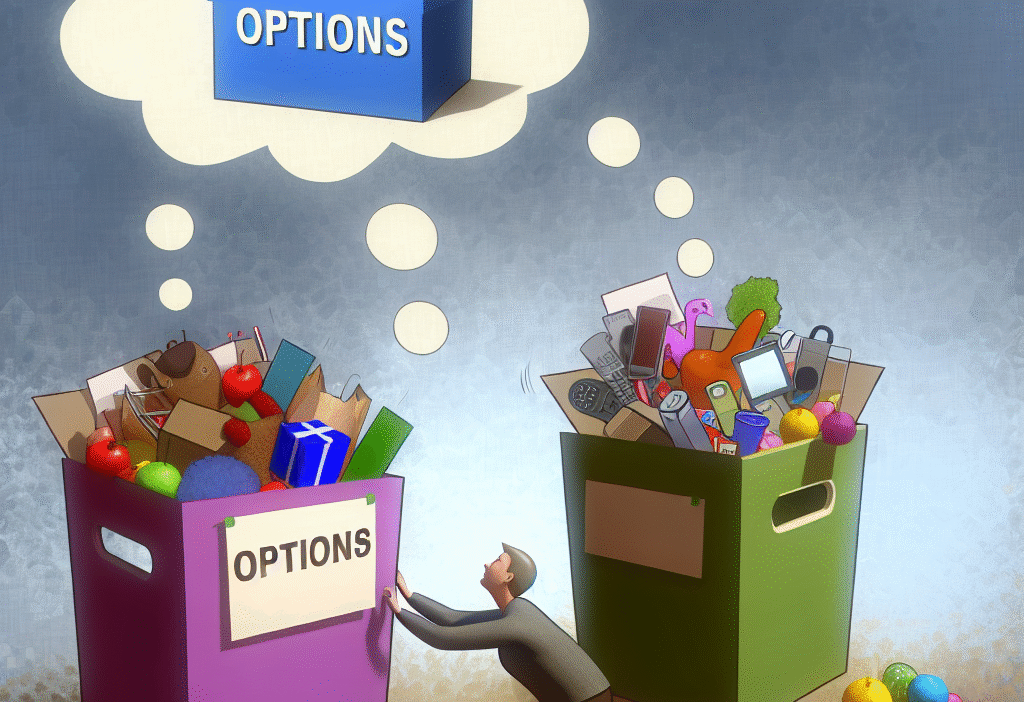
Have you ever found yourself standing in front of a menu with endless options, feeling overwhelmed rather than excited? 🤔 You’re not alone. Many people experience this phenomenon, often referred to as The Paradox of Choice. While we live in a world saturated with choices, research suggests that having too many options can lead to stress, second-guessing, and ultimately, dissatisfaction.
In this article, we’ll explore the intricacies of The Paradox of Choice: Why More Options Can Lead to Less Happiness, diving deep into psychology, consumer behavior, and actionable strategies to navigate the complexities of choice in our daily lives. By the end, you’ll not only understand this paradox but also gain practical tools to enhance your decision-making and overall happiness.
The Birth of the Paradox: A Historical Perspective
A Shift from Scarcity to Abundance
For centuries, humans lived under conditions of scarcity. Our ancestors faced limitations not just in resources, but also in choices available for food, shelter, and even relationships. Fast forward to the 21st century, where we reside in a marketplace filled with infinite options—from types of bread at the grocery store to countless streaming services.
This evolution signifies not just an increase in our choices but also the emergence of the Paradox of Choice. While having options is theoretically liberating, an abundance of choices can lead to paralyzing anxiety and decisions laden with regret.
The Research Behind the Paradox
Dr. Barry Schwartz, a psychologist, is widely credited for articulating the Paradox of Choice in his book, "The Paradox of Choice: Why More is Less." Schwartz’s substantial research indicates that when faced with numerous options, individuals often feel a mix of anticipation and trepidation, which can dilute their overall happiness.
Key Findings:
Choice Overload: When confronted with more than seven options, decision-makers often experience paralysis, making them less likely to make any decision at all.
Regret: More options can lead to greater regret. When choices are made, humans tend to ruminate over what they could have chosen instead, diluting satisfaction.
- Diminishing Returns: The pleasure derived from choosing something decreases with increasing options. Essentially, the first few choices add value, but after a certain point, additional options contribute little to overall happiness.
Understanding the Mechanics of Choice
The Contentment Conundrum
The essence of The Paradox of Choice: Why More Options Can Lead to Less Happiness lies in our expectations versus reality. While having options is inherently a good thing, many people enter a cycle of "what-ifs."
Expectations and Reality
High Expectations: With abundant choices comes lofty expectations. We anticipate that the more options we have, the greater our satisfaction will be. However, this is not always true.
- Fear of Missing Out (FOMO): People often second-guess their decisions, worrying about missing out on potentially better opportunities.
Cognitive Overload: Processing Too Much Information
When overwhelmed by options, our cognitive capacity can become strained. This cognitive overload can impact our decision-making abilities, leading to indecisiveness and distress.
Information Fatigue: Research shows that sifting through excessive options can lead to mental fatigue, ultimately impacting our cognitive resources.
- Analysis Paralysis: The more information one has, the harder it becomes to make a satisfying decision.
The Emotional Toll: Stress and Anxiety
The Emotional Burden of Selection
The emotional consequences of choice overload can be profound. Feelings of anxiety, stress, and even depression can arise from an inability to select among competing options.
Stress Responses
Decision Fatigue: The cumulative toll of making choices can leave us drained and incapable of making good decisions later.
- Increased Anxiety: Faced with endless options, one may experience heightened anxiety levels and an inability to fully enjoy the chosen outcome.
A Vicious Cycle
The emotional toll of choice can create a vicious feedback loop. Stress and anxiety about making the right choice can lead individuals to avoid decision-making altogether, perpetuating dissatisfaction.
Strategies for Managing Choices
Navigating the complex arena of choices doesn’t have to be overwhelming. Here are effective strategies to mitigate the adverse effects of excessive options while enhancing satisfaction and happiness.
Limit Your Choices
Set Parameters: Define your needs and eliminate options that don’t meet them from the onset.
- Create a Shortlist: Narrow choices down to three or four options. This prevents overwhelm and allows for focused evaluation.
Decisive Frameworks
The Five-Minute Rule: Give yourself a set amount of time to make a decision. This can limit overthinking and hesitation.
- Pros and Cons List: This classic strategy can facilitate clearer thinking and help you weigh decisions rationally.
Embrace Acceptance
Recognize Imperfection: Understand that no choice is perfect. Embracing a mindset of acceptance can alleviate the weight of regret.
- Mindfulness Practices: Practicing mindfulness can ground you in the present moment and reduce overthinking about potential outcomes.
Seek Experiences Over Possessions
Research shows that investing in experiences rather than material possessions leads to increased happiness.
- Quality Time: Consider spending time with loved ones or engaging in activities that bring joy instead of acquiring more “things.”
Seek Professional Guidance
When feeling overwhelmed by choices, seeking professional help can provide insightful perspectives and decision-making guidance tailored to individual circumstances.
The Role of Culture in Choices
Cultural Influences on Decision-Making
Cultural background significantly impacts how individuals perceive and manage their choices. Different societies have varying approaches to decision-making:
Collectivist vs. Individualistic Cultures: Individualistic cultures may encourage more personal choice and assertiveness, while collectivist cultures may prioritize group consensus and reduce choice load.
- Cultural Norms: Some cultures may view having multiple choices as a status symbol, while others may see it as a source of unnecessary stress.
Navigating Cultural Differences
Understanding these cultural nuances is crucial for businesses and individuals alike when making choices that transcend geographical boundaries.
Visualizing the Paradox
To better understand The Paradox of Choice, consider the following table that illustrates the balance between choices and satisfaction:
| Number of Choices | Level of Satisfaction | Decision-Making Ease |
|---|---|---|
| 1 | High | Easy |
| 2-3 | Moderate | Moderate |
| 4-7 | Low | Difficult |
| 8+ | Very Low | Paralyzed |
Key Takeaway: Finding Balance
Striking a balance between options is crucial. Too few choices limit freedom, while too many lead to overload. Finding a middle ground enhances satisfaction.
Conclusion
The complexities surrounding The Paradox of Choice: Why More Options Can Lead to Less Happiness are layered and nuanced. While options can empower, they can also overwhelm us, leading to stress, anxiety, and regret.
By understanding the mechanics of choice and implementing strategies to manage decisions effectively, we can reclaim our happiness. Remember that it’s not about the number of options we have but how we approach and evaluate the choices at our disposal. A mindset of acceptance, coupled with deliberate decision-making, can transform your relationship with choice, leading to greater happiness and fulfillment. 🌈
FAQs
1. What is the Paradox of Choice?
The Paradox of Choice refers to the phenomenon where having too many options leads to feelings of overwhelm, anxiety, and decreased satisfaction.
2. Who coined the term "The Paradox of Choice"?
Dr. Barry Schwartz introduced the term in his book "The Paradox of Choice: Why More Is Less."
3. How can I manage excessive choices in my daily life?
You can limit your choices by setting parameters, creating a shortlist, and employing decisiveness strategies such as the five-minute rule.
4. Is it always better to have more options?
Not necessarily. While options can provide freedom, too many can lead to anxiety and reduced satisfaction.
5. How do cultural differences affect decision-making?
Cultural backgrounds influence how choices are approached, with individualistic cultures often promoting personal choice and collectivist cultures valuing group consensus.
Enhance your understanding of choices! For further insights and resources on decision-making, explore more on myjrf.com.
This robust exploration of The Paradox of Choice serves to empower and enlighten readers, allowing you to navigate choices with increased clarity and confidence. Life isn’t just about making choices; it’s about making meaningful choices that enhance our happiness and fulfillment.