Introduction
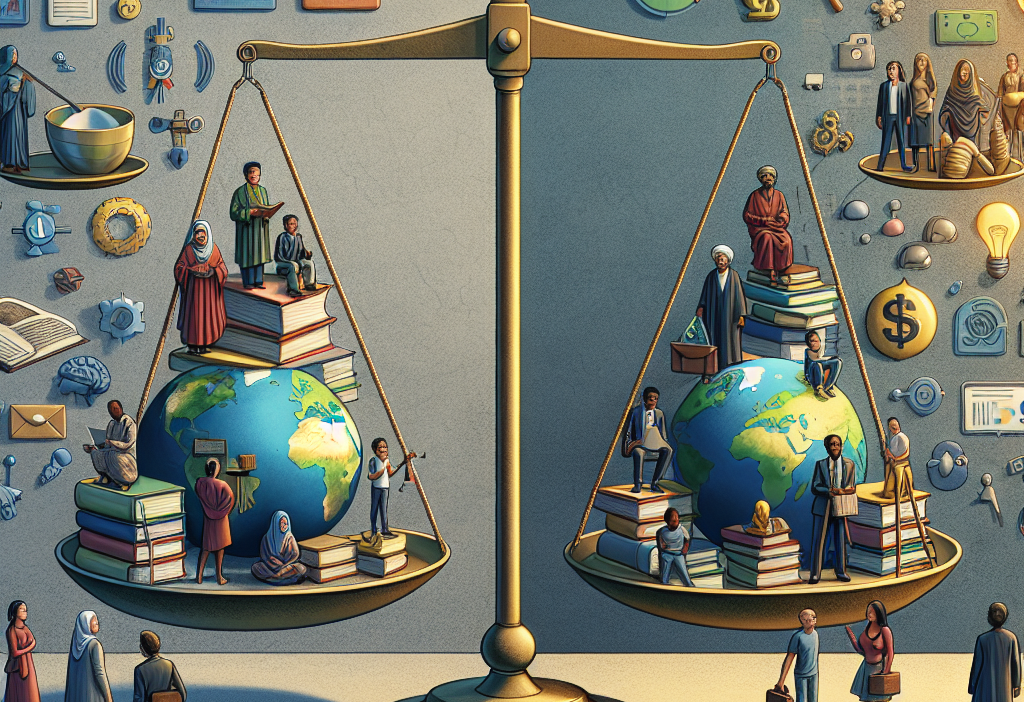
In an increasingly interconnected world, globalization stands as a double-edged sword, particularly for developing nations. 🌍 On one side, it offers unprecedented opportunities for economic growth, cultural exchange, and technological advancement. On the other, it presents significant challenges, including economic dependency, cultural erosion, and environmental degradation. This article delves deep into The Double-Edged Sword of Globalization: Opportunities and Challenges for Developing Nations, exploring both sides of this complex phenomenon.
By the end of this article, you will gain a comprehensive understanding of how globalization impacts developing nations, the opportunities it presents, and the challenges that must be navigated. Whether you are a student, a policymaker, or simply someone interested in global affairs, this article aims to equip you with valuable insights and actionable takeaways.
The Opportunities of Globalization for Developing Nations
Economic Growth and Development
One of the most significant advantages of globalization is the potential for economic growth. Developing nations can access larger markets, attract foreign direct investment (FDI), and benefit from technology transfer.
Market Access: Globalization allows developing countries to export their goods and services to international markets. For instance, countries like Vietnam and Bangladesh have seen substantial growth in their textile industries due to access to global markets.
Foreign Direct Investment (FDI): FDI can lead to job creation, infrastructure development, and technology transfer. For example, in India, the influx of FDI in the IT sector has transformed the economy, making it a global hub for technology services.
- Technology Transfer: Globalization facilitates the transfer of technology from developed to developing nations. This can enhance productivity and innovation. For instance, mobile technology has revolutionized communication and financial services in Africa, leading to increased economic participation.
Cultural Exchange and Diversity
Globalization fosters cultural exchange, allowing developing nations to share their rich heritage while also learning from others.
Cultural Awareness: Exposure to different cultures can lead to greater understanding and tolerance. This is particularly important in a world often divided by cultural and religious differences.
- Tourism: Globalization has boosted tourism in many developing nations, providing a vital source of income. Countries like Thailand and Kenya have capitalized on their natural beauty and cultural heritage to attract millions of tourists each year.
Improved Education and Skills Development
Globalization has also led to improved educational opportunities and skills development in developing nations.
Access to Information: The internet has democratized access to information, allowing students in developing countries to learn from global resources. Online courses and educational platforms have made quality education more accessible.
- Skill Development Programs: Many multinational corporations offer training programs that enhance the skills of local workers. This not only benefits the employees but also improves the overall competitiveness of the local economy.
Enhanced Infrastructure
Globalization often leads to improved infrastructure, which is crucial for economic development.
Investment in Infrastructure: Foreign investments often come with commitments to develop local infrastructure, such as roads, ports, and telecommunications. For example, China’s Belt and Road Initiative has led to significant infrastructure investments in several developing countries.
- Public-Private Partnerships: Globalization encourages partnerships between governments and private entities, leading to better infrastructure development. These collaborations can enhance service delivery in sectors like healthcare and education.
The Challenges of Globalization for Developing Nations
Economic Dependency
While globalization can spur economic growth, it can also lead to dependency on foreign markets and investments.
Vulnerability to Global Shocks: Developing nations that rely heavily on exports may find themselves vulnerable to global economic fluctuations. For instance, during the COVID-19 pandemic, many countries faced economic downturns due to decreased demand for their exports.
- Loss of Local Industries: The influx of foreign goods can undermine local industries, leading to job losses and economic instability. For example, the agricultural sector in many African countries has suffered due to competition from subsidized agricultural products from developed nations.
Cultural Erosion
Globalization can lead to cultural homogenization, where local traditions and customs are overshadowed by dominant global cultures.
Loss of Identity: As Western culture permeates developing nations, there is a risk of losing unique cultural identities. This can lead to a sense of disconnection from local heritage and traditions.
- Consumerism: Globalization often promotes consumerism, which can shift societal values from community-oriented to individualistic, impacting social cohesion.
Environmental Degradation
The rapid industrialization and urbanization associated with globalization can have detrimental effects on the environment.
Resource Exploitation: Developing nations may exploit their natural resources to attract foreign investment, leading to environmental degradation. Deforestation, pollution, and loss of biodiversity are common consequences.
- Climate Change: Many developing nations are on the front lines of climate change, facing extreme weather events and rising sea levels. Globalization can exacerbate these challenges by increasing carbon footprints through industrial activities.
Inequality and Social Disparities
Globalization can widen the gap between the rich and the poor within developing nations.
Wealth Concentration: The benefits of globalization often accrue to a small elite, leaving marginalized communities behind. This can lead to social unrest and instability.
- Access to Opportunities: Not everyone in developing nations has equal access to the opportunities presented by globalization. Rural areas, in particular, may lag behind urban centers in terms of economic development and access to education.
Navigating the Double-Edged Sword
Policy Recommendations
To harness the benefits of globalization while mitigating its challenges, developing nations must adopt strategic policies.
Diversification of Economies: Countries should diversify their economies to reduce dependency on specific sectors or foreign markets. This can enhance resilience against global shocks.
Investment in Education and Skills: Governments should prioritize education and skills development to prepare their workforce for the demands of a globalized economy.
- Sustainable Practices: Emphasizing sustainable practices in industries can help protect the environment while still benefiting from globalization. This includes promoting renewable energy and responsible resource management.
Building Resilience
Developing nations can build resilience against the challenges of globalization through various means.
Strengthening Local Industries: Supporting local businesses and industries can help create jobs and reduce dependency on foreign goods.
Community Engagement: Involving local communities in decision-making processes can ensure that development initiatives align with their needs and values.
- International Cooperation: Collaborating with other nations and international organizations can provide support and resources to navigate the complexities of globalization.
Conclusion
The journey through The Double-Edged Sword of Globalization: Opportunities and Challenges for Developing Nations reveals a landscape filled with both promise and peril. While globalization offers pathways to economic growth, cultural exchange, and technological advancement, it also presents significant challenges that must be addressed.
By adopting strategic policies, investing in education, and fostering community engagement, developing nations can harness the benefits of globalization while mitigating its adverse effects. As we move forward in this interconnected world, it is crucial for developing nations to navigate this double-edged sword with wisdom and foresight.
Empowering Insight
As you reflect on the complexities of globalization, remember that the choices made today will shape the future of developing nations. Embrace the opportunities, confront the challenges, and work towards a more equitable and sustainable global community. 🌟
FAQs
1. What is globalization?
Globalization refers to the process of increased interconnectedness and interdependence among countries, primarily driven by trade, investment, technology, and cultural exchange.
2. How does globalization benefit developing nations?
Globalization can benefit developing nations through economic growth, access to larger markets, foreign direct investment, technology transfer, and cultural exchange.
3. What are the main challenges of globalization for developing nations?
The main challenges include economic dependency, cultural erosion, environmental degradation, and increasing inequality.
4. How can developing nations mitigate the negative effects of globalization?
Developing nations can mitigate negative effects by diversifying their economies, investing in education, promoting sustainable practices, and engaging local communities in decision-making.
5. Is globalization reversible?
While globalization is a complex and multifaceted process, it is unlikely to be fully reversible. However, nations can adapt their strategies to better manage its impacts.
By understanding The Double-Edged Sword of Globalization: Opportunities and Challenges for Developing Nations, we can work towards a more balanced and equitable global landscape. For more insights and resources, visit MyJRF.