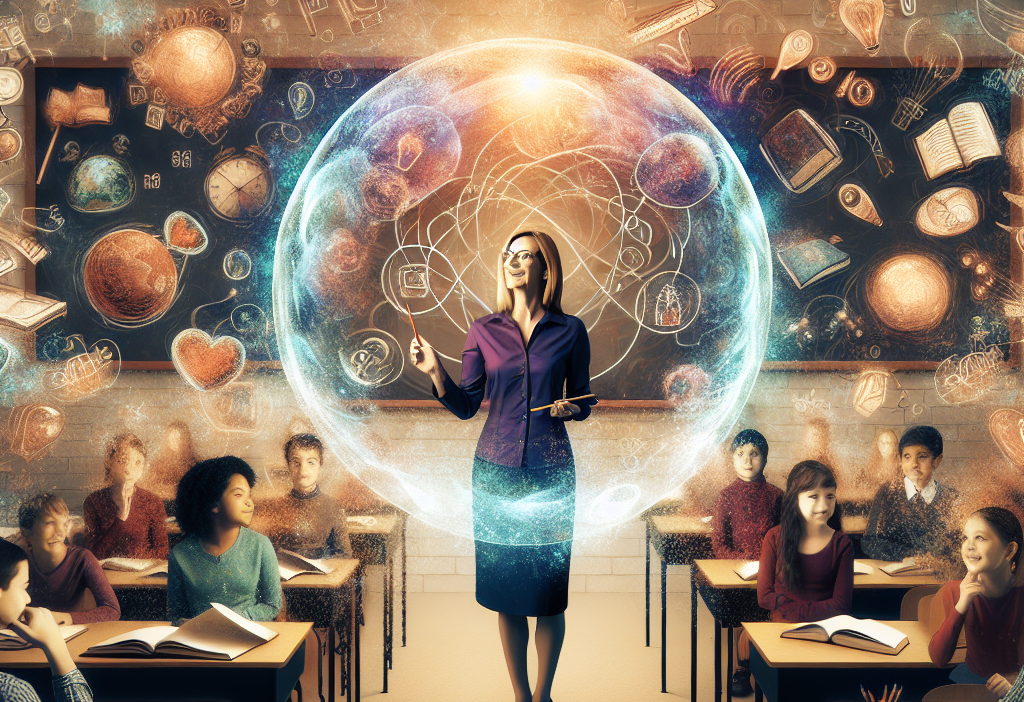
The Art of Communication: Enhancing Teaching and Learning Experiences
Introduction
In the rapidly evolving landscape of education, effective communication stands out as a cornerstone for successful teaching and learning experiences. 🌍 Whether you’re an educator in the classroom or a learner navigating the complexities of information, mastering The Art of Communication can significantly enhance your engagement and comprehension.
This article delves deep into various facets of communication—its fundamental importance, techniques, and how they can transform educational interactions. We will explore effective communication strategies, the role of technology in enhancing experiences, the impact of non-verbal cues, and much more. By the end, you’ll be equipped with actionable insights to bring your own teaching and learning experiences to life!
The Importance of Effective Communication in Education
Effective communication is not just about exchanging information; it’s about understanding the emotion and intentions behind that information. Here’s why it’s crucial in educational environments:
Clarity of Information: Clear communication helps reduce misunderstandings. Educators must convey instructions, guidelines, and complex concepts in ways that are easily digestible.
Engagement: When students feel heard and can contribute to conversations, they are more likely to engage with the material actively. This sense of participation can transform passive learning into active discovery.
Building Relationships: Strong communication leads to building trust and rapport amongst students and educators. This relationship fosters an atmosphere conducive to learning and creativity.
- Feedback Mechanism: Constructive feedback is vital in learning. Through effective communication, educators can provide insights that guide students towards improvement.
Example: Clarity and Engagement
Consider a scenario in which a teacher presents a complicated math problem. Instead of merely introducing the concept, the teacher could ask questions like, “What do you think about this approach?” This turns the lesson into an interactive discussion rather than a one-sided delivery of information.
Techniques to Enhance Communication in Teaching
1. Active Listening and Response
Active listening is essential for effective communication. Educators must consciously listen to their students to understand their thoughts and concerns. Effective strategies include:
- Paraphrasing: Restate what the student has said to ensure understanding.
- Empathy: Acknowledge feelings and validate experiences.
- Eye Contact: Maintain eye contact to show attentiveness.
💡 Tip: Employ reflective listening techniques to deepen understanding. When a student expresses confusion about a topic, you might respond with, "It sounds like you’re unsure about how to solve this equation. Let’s break it down together."
2. Utilizing Non-Verbal Communication
Approximately 93% of communication is non-verbal, encompassing body language, gestures, and facial expressions. Educators can enhance their teaching by being aware of these signals:
- Posture: Standing tall can convey confidence.
- Gestures: Use hand movements to emphasize key points.
- Facial Expressions: Smile to create a welcoming environment.
Example: Non-Verbal Cues in Action
In a science lab, when demonstrating a complex experiment, a teacher can use gestures to illustrate the steps involved, making the process easier for students to follow.
3. Leveraging Technology
Modern technology can significantly enhance communication effectiveness. Some tools include:
- Video Conferencing: Platforms like Zoom or Google Meet allow for face-to-face interaction, even remotely.
- Interactive Whiteboards: Tools like Miro or Jamboard enable brainstorming sessions that engage all students.
- Online Forums: Use platforms like Google Classroom for discussions that extend beyond the classroom.
4. Creating an Inclusive Environment
Everyone learns differently. By employing a variety of teaching methods—visual, auditory, and kinesthetic—educators can cater to diverse learning styles.
- Visual Aids: Incorporate charts, videos, and infographics to make complicated subjects more accessible.
- Group Discussions: Foster collaborative learning by breaking students into small groups to share ideas.
5. Effective Feedback Mechanisms
Feedback should be timely, constructive, and specific. Strategies for providing effective feedback include:
- Positive Reinforcement: Celebrate success alongside constructive criticism.
- Specificity: Instead of a vague “good job,” you can say, “You did a great job explaining the reasoning behind your solution!”
The Role of Emotional Intelligence in Communication
Understanding and Managing Emotions
Emotional intelligence (EI) plays a critical role in effective communication. It involves recognizing your own emotions and those of others, which can influence teaching and learning experiences. Strategies to develop EI include:
- Self-Reflection: Take time to understand how your emotions affect your teaching style.
- Relationship Building: Foster connections that allow open communication.
Benefits of High EI in Teaching
- Improved Student Relationships: Students are more likely to open up to educators who understand their emotions.
- Conflict Resolution: An emotionally intelligent educator can diffuse tense situations by understanding perspectives.
Example: Building Trust Through EI
When a student fails to submit homework, instead of reprimanding them, an emotionally intelligent teacher could say, “I noticed that you’ve been struggling. How can I help you get back on track?”
The Influence of Cultural Differences on Communication
In our globalized world, classrooms are increasingly diverse. Different cultural backgrounds can influence communication styles.
Navigating Cultural Nuances
Educators should be aware of various cultural communication styles:
- Direct vs. Indirect Communication: Some cultures value straightforwardness, while others may rely on context and nuance.
- High-Context vs. Low-Context Cultures: High-context cultures may rely heavily on non-verbal cues, while low-context cultures prioritize explicit verbal communication.
Strategies for Culturally Responsive Communication
- Cultural Awareness: Engage in discussions about the diverse backgrounds of your students.
- Inclusive Language: Be mindful of language that may not resonate universally.
Example: Culturally Inclusive Activities
Create activities that allow students to share aspects of their culture, perhaps through show-and-tell sessions or group projects that explore global themes. 🌐
Communication Across Different Learning Environments
Classroom settings
In traditional classrooms, the dynamics of teacher-student communication can significantly affect engagement:
- Student-Centered Learning: Techniques like project-based learning encourage students to take ownership, fostering a two-way communication process.
Online Learning Environments
The rise of online education has reshaped communication:
- Asynchronous Discussion Boards: Facilitate ongoing conversations that can deepen understanding over time.
- Virtual Office Hours: Offer personalized communication opportunities for students seeking additional guidance.
Example Chart: Classroom vs. Online Communication Styles
| Aspect | In-Person Classroom | Online Learning |
|---|---|---|
| Real-Time Interaction | Immediate Q&A | Delayed responses via forums |
| Non-Verbal Signals | Body language and facial expressions | Limited visibility, rely on text |
| Group Activities | Hands-on collaboration | Breakout rooms in video calls |
Best Practices for Enhancing Communication
1. Tailored Communication
Adjust your communication style to fit the audience’s needs. For example, younger students may respond better to visuals, while adults benefit from structured discussions.
2. Regular Check-Ins
Schedule periodic check-ins with students to gauge their understanding and emotional states.
3. Encourage Peer Feedback
Foster a culture of peer-to-peer feedback where students can learn from one another. This reinforces the idea that communication is a two-way street.
4. Foster an Open-Door Policy
Encourage students to approach you with questions or concerns at any time. This builds trust and opens channels for effective communication.
5. Continuous Learning
As an educator, stay updated with new communication strategies and tools. Attend workshops or engage with communities dedicated to educational excellence.
Conclusion
The art of communication is a dynamic interplay of clarity, engagement, and emotional intelligence. By honing these skills, educators can profoundly impact teaching and learning experiences. Education is not merely the filling of a bucket, but the lighting of a fire—an art that combines knowledge with connection. 🔥
Actionable Insight: Start implementing one new communication strategy from this article in your teaching or learning today. Observe the impact it has on your interactions and adapt as necessary.
FAQs
How can I improve my active listening skills?
- Practice focusing entirely on the speaker, avoid interrupting, and offer summarizing feedback.
What role does non-verbal communication play in teaching?
- Non-verbal cues account for a significant portion of how messages are interpreted, affecting student engagement.
How can technology be utilized to enhance communication?
- Use applications for video conferencing, interactive discussions, and collaborative platforms to keep engagement high.
What is the relationship between emotional intelligence and effective teaching?
- High emotional intelligence helps educators empathize with students, improving relationships and communication.
- How can I make my teaching more inclusive?
- Recognize and celebrate cultural diversity, using varied teaching methods that cater to different learning preferences.
With this comprehensive guide, you’re well on your way to mastering The Art of Communication: Enhancing Teaching and Learning Experiences. Don’t hesitate to share your journey and insights with others! 📝
[For more resources on enhancing educational practices, visit myjrf.com]