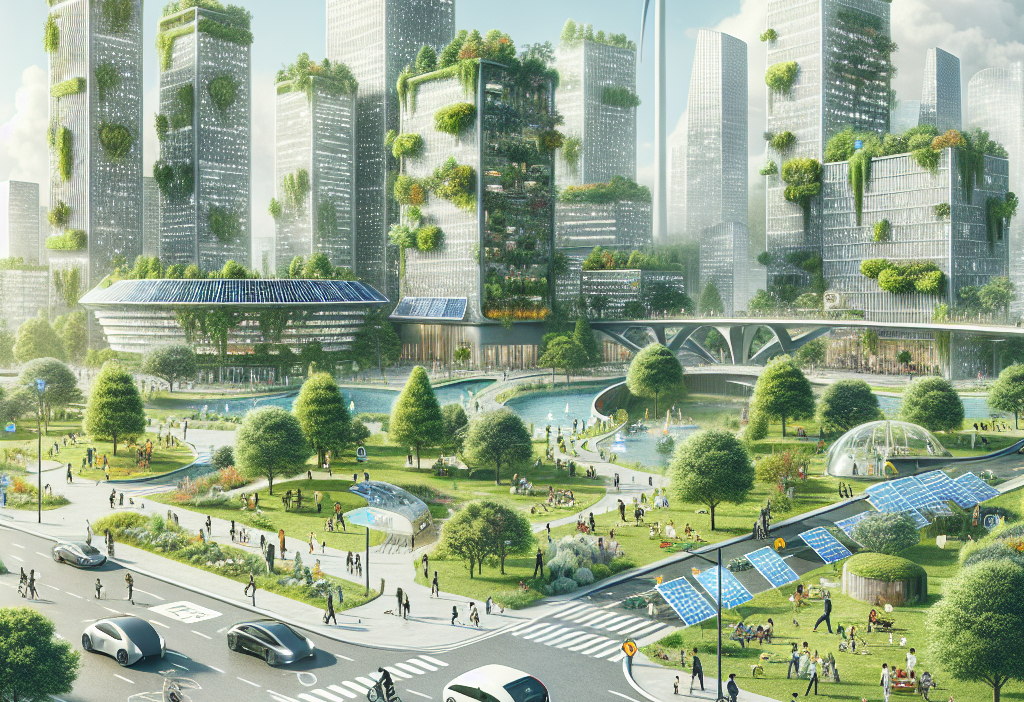
Introduction
Urbanization is one of the most pressing challenges of the 21st century. As cities continue to expand and populations swell, the quest for sustainability has never been more imperative. 🌍 The phrase "Sustainable Urbanization: Building Eco-Friendly Cities for Future Generations" encapsulates an urgent need to rethink how we design, build, and live in urban environments.
In this article, we will explore the concept of sustainable urbanization—what it means, why it’s vital, and how it can be achieved. By diving deep into effective strategies, innovative technologies, and community involvement, we aim to equip you with actionable insights that can lead to greener, healthier living spaces. So, let’s embark on this journey towards creating cities that are not only habitable today but also thrive for generations to come.
Understanding Sustainable Urbanization
Sustainable urbanization refers to the practice of designing and managing cities in a way that minimizes environmental impact while maximizing quality of life for residents. 🌱 The integration of ecological principles into urban planning leads to eco-friendly practices that benefit both people and nature.
Why Does It Matter?
Population Growth: According to UN projections, by 2050, nearly 68% of the world’s population will live in urban areas. This rapid growth puts immense stress on infrastructure, biodiversity, and resources.
Climate Change: Cities are responsible for over 70% of global greenhouse gas emissions. Sustainable practices can significantly mitigate climate change, making urban areas resilient to its impacts.
- Quality of Life: Integrating green spaces, efficient public transportation, and renewable energy systems in urban environments improves health, happiness, and overall well-being.
Key Components of Sustainable Urbanization
1. Green Building Practices
Building eco-friendly cities starts with adopting sustainable construction practices. This includes the use of materials that are both renewable and energy-efficient. Here are some strategies to consider:
Energy Efficiency: High-performance insulation, energy-efficient windows, and smart home technologies can dramatically reduce energy consumption.
Sustainable Materials: Bamboo, recycled steel, and reclaimed wood are excellent alternatives to traditional building materials, reducing carbon footprints.
- Certification Schemes: Implementing standards like LEED (Leadership in Energy and Environmental Design) encourages developers to commit to sustainable practices.
2. Public Transportation Systems
Efficient public transport systems reduce the dependency on personal vehicles. This not only lessens traffic congestion but also significantly lowers urban emissions. 🚉 Here are ways to enhance public transport:
Integrated Routes: Coordinating bus and train schedules can make public transit more convenient.
Investing in Electrification: Transitioning to electric buses and trains can help cities achieve zero-emission goals.
- Cycling Infrastructure: Adding dedicated bike lanes and bike-sharing programs encourages residents to opt for sustainable modes of transport.
3. Green Spaces and Biodiversity
Increasing urban green spaces contributes significantly to environmental sustainability. 🌳 Nature in cities helps improve air quality, reduces the urban heat island effect, and provides recreational opportunities.
Vertical Gardens: Implementing vertical gardens on buildings can enhance aesthetics and improve air quality.
Urban Farms: Community gardens can foster local food production, reducing transportation emissions and enhancing food security.
- Wildlife Corridors: Creating pathways for urban wildlife contributes to biodiversity, making cities environmentally resilient.
4. Waste Management Solutions
An effective waste management system is crucial for any sustainable urban initiative. This provides a roadmap to manage waste recycling, composting, and waste-to-energy conversion:
Circular Economy: Strategies that promote recycling and reusing materials can keep resources in play and minimize waste.
Composting Facilities: Establishing composting programs in urban areas can divert organic waste from landfills.
- Education Initiatives: Community involvement is key. Educational campaigns can encourage eco-friendly disposal practices.
5. Smart City Technologies
Incorporating technology into urban design can enhance operations while promoting sustainability. 🌐 Smart city initiatives focus on creating efficient, connected environments through:
Data Analytics: Utilizing real-time data can improve traffic flow, energy use, and public service responsiveness.
Renewable Energy Sources: Investing in solar, wind, and geothermal technologies can power cities sustainably.
- Smart Grids: These enhance electricity distribution, improve energy efficiency, and reduce waste.
Case Studies: Successful Examples of Sustainable Urbanization
1. Copenhagen, Denmark
Copenhagen has established itself as a leading example of sustainable urban living. The city aims to become carbon neutral by 2025. Key initiatives include:
Bicycle Infrastructure: With over 390 kilometers of cycling lanes, 62% of residents commute by bike regularly.
Renewable Energy: The city generates over 40% of its energy from wind power, demonstrating a successful shift toward renewables.
- Green Roofs: Initiatives encourage the installation of green roofs to enhance biodiversity and manage rainwater.
2. Curitiba, Brazil
Curitiba is often cited as a model for sustainable city planning. Its practices include:
Innovative Public Transit: The Bus Rapid Transit (BRT) system effectively reduces car usage, providing affordable and efficient transportation.
Parks and Green Spaces: The city has created numerous parks to manage flooding and improve quality of life.
- Waste Management: Programs like the "Green Exchange," where residents exchange recyclable materials for food or transportation vouchers, showcase community engagement and sustainability.
3. Singapore
Singapore demonstrates how innovative solutions can tackle urban challenges:
Vertical Gardens: The "Garden City" concept integrates nature into urban areas, with green spaces on buildings and parks throughout the city.
- Smart Technologies: The city utilizes sensors to monitor and manage energy use. Integrated systems ensure efficient resource management.
Challenges Facing Sustainable Urbanization
While the vision of sustainable urbanization is encouraging, several challenges remain:
Economic Constraints: Many cities struggle to fund sustainable projects amidst competing priorities.
Political Will: Urban sustainability requires strong leadership and enduring commitment from policymakers.
- Public Awareness: Engaging citizens and fostering a culture of sustainability is imperative for long-term success.
Conclusion
Sustainable urbanization is not just an ideal but a necessity for preserving our planet for future generations. The journey towards building eco-friendly cities requires a composite effort involving innovative technologies, community engagement, and a commitment to sustainable practices.
As we move forward, it’s crucial to recognize that each small step—whether it’s adopting greener building techniques or promoting public transport—has the potential to lead to significant long-term benefits. 🌟
Together, we can foster environments that thrive, not just for ourselves, but for those who will inherit these cities tomorrow. Let’s commit to sustainability, embrace eco-friendly solutions, and build cities that honor our planet and its future.
FAQs
1. What is sustainable urbanization?
Sustainable urbanization refers to designing and managing cities that minimize environmental impact and enhance the quality of life for residents.
2. Why is public transportation important for sustainability?
Public transportation reduces the reliance on personal vehicles, which helps lower emissions and decrease traffic congestion.
3. What role do green spaces play in urban areas?
Green spaces improve air quality, enhance biodiversity, provide recreational opportunities, and mitigate climate change impacts.
4. How can technology support sustainable urbanization?
Technology can enhance resource management, improve energy efficiency, and promote effective transportation systems, contributing to eco-friendly practices.
5. What are the most common challenges to sustainable urbanization?
Economic constraints, political will, and public awareness are some of the key challenges faced by cities striving for sustainability.
By understanding and implementing these principles, we can actively participate in the creation of sustainable urban environments that future generations will cherish. Let’s work towards an inclusive, greener, and more sustainable urban landscape today! 🌏