Sitar to Saxophone: The Fusion of Hindustani Music and Global Jazz – The Ultimate Exploration
Introduction
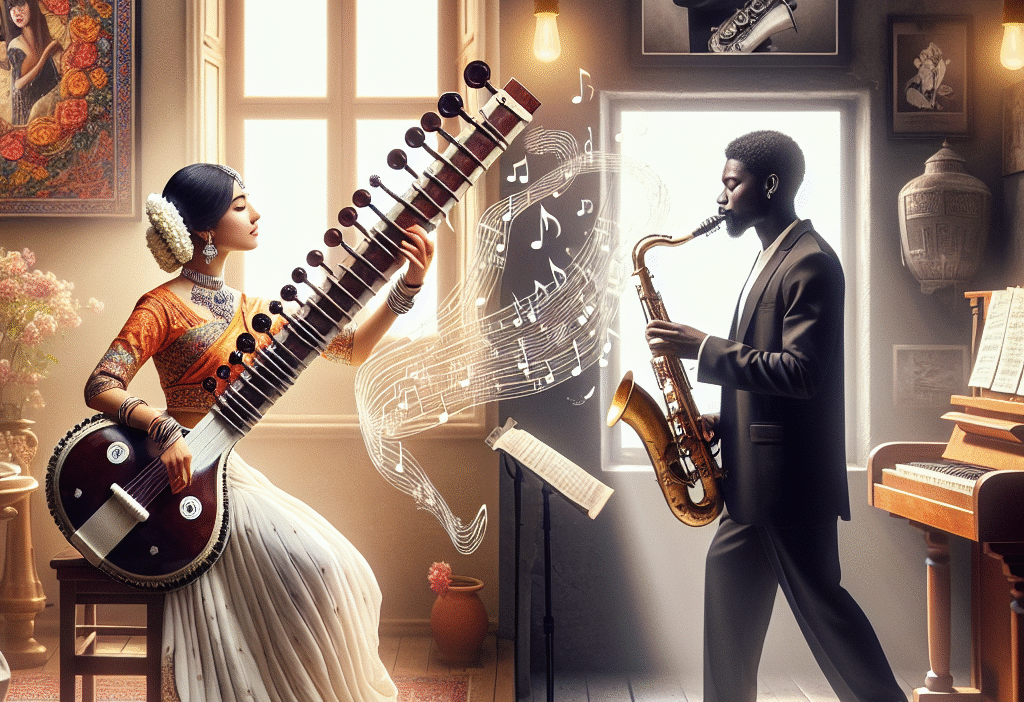
In today’s world of music, the beauty of fusion is celebrated as an innovative pathway for creativity. One of the most captivating intersections of musical tradition and modernity is notably seen in the fusion of Hindustani music and global jazz. At the heart of this remarkable blend lie two iconic instruments: the sitar and the saxophone. Their unique characteristics create a refreshing dialogue between Indian classical music and Western jazz that speaks to the soul.
This article aims to illuminate the intricate relationship between sitar and saxophone, showcasing how their fusion represents a vibrant tapestry enriched with cultural significance, emotional depth, and innovative artistry. We’ll delve into their historical backgrounds, explore the techniques involved, and highlight prominent musicians who have successfully bridged these worlds.
The Foundation: Understanding Hindustani Music and Jazz
What is Hindustani Music?
Hindustani music is a rich and diverse classical music tradition that originated in North India. Rooted in ancient Vedic chants, it has evolved through centuries, absorbing various influences along the way—culminating in a vibrant form that prioritizes improvisation and emotional expression.
- Key Characteristics:
- Ragas: Melodic frameworks that govern compositions, each conveying specific moods.
- Tal: Rhythmic cycles that add structure to the improvisation.
- Instruments: Instruments such as the sitar, tabla, and dilruba are quintessential in Hindustani performances.
Introduction to Jazz
On the other side of the spectrum lies jazz—an African American music genre born in the early 20th century in New Orleans. It is characterized by its unique terms of rhythm, harmony, and improvisation.
- Core Elements:
- Blue Notes: Notes sung or played at a slightly lower pitch for expressive purposes.
- Swing: A rhythmic feel that creates a "dance-like" quality.
- Improvisation: Musicians create spontaneous melodies, contributing to the genre’s dynamic nature.
Common Ground: Fusion of the Two Cultures
The fusion of Hindustani music and jazz did not emerge overnight. It is a testament to how cultural exchange can lead to innovative expressions!
Table 1: Comparison of Musical Elements
| Element | Hindustani Music | Jazz |
|---|---|---|
| Structure | Ragas and Tal | Chord Progressions |
| Improvisation | Extensive in performance | Central element |
| Modal System | Uses scales (ragas) | Based on chords |
| Instruments | Sitar, Tabla, Harmonium | Saxophone, Piano, Trumpet |
Each music form brings its expressiveness and improvisational flair to the table, creating new avenues for creativity and emotional resonance.
The Sitar: A Deep Dive
The Sitar: History and Construction
The sitar is one of the most recognizable instruments in Hindustani music. Believed to have evolved from the Persian lute, it gained prominence in the Mughal courts and has since become a defining feature of Indian classical music.
- Construction: Traditionally made from wood and gourd, the sitar has:
- Strings: Typically, it features 18-21 strings, with a combination of sympathetic and main strings.
- Frets: Moveable frets that allow musicians to bend notes and access multiple ragas.
Playing Techniques
The sitar is played with a plectrum called a mizrab and employs techniques such as meend (glissando) and gamak (ornamentation) to create captivating soundscapes.
- Beginner’s Tip: Focus on mastering basic ragas before moving onto improvisation 💡.
Iconic Sitar Virtuosos
- Ravi Shankar: Perhaps the most famous sitar player, he played a pivotal role in introducing Indian classical music to the Western world.
- Anoushka Shankar: Continuing her father’s legacy, she interweaves traditional sitar with modern genres.
The Saxophone: A Profile
The Saxophone: History and Design
Invented in the 1840s by Adolphe Sax, the saxophone was designed to bridge the gap between brass and woodwind instruments. Made from brass and featuring a single-reed mouthpiece, it quickly found its home in jazz clubs and orchestras alike.
- Types: The most common types include alto, tenor, and soprano saxophones, each offering unique tonal qualities.
Playing Techniques
The saxophone’s expressiveness is heightened by techniques such as:
- Bending notes for emotional effect.
- Vibrato to add warmth and richness.
Prominent Saxophonists
- John Coltrane: Revered for his spiritual and innovative approach to jazz.
- Sonny Rollins: Known for his improvisational brilliance and dynamic stage presence.
The Fusion: From Sitar to Saxophone
How the Fusion Evolved
The journey of the sitar to the saxophone began largely through cross-cultural collaborations and global exchanges that gained traction in the 20th century.
- Influence of Globalization: As musicians began touring internationally, the need for fusion led to experimentation with various genres.
Chart 1: Influential Collaborations
| Year | Artist Collaboration | Impact |
|---|---|---|
| 1960s | Ravi Shankar & Philip Glass | Blended Western classical with Hindustani music |
| 1970s | Shankar & George Harrison | Opened doors for Bollywood integration with rock |
| 1990s | Saxophone Ladies (Jazz & Sitar collaboration) | Highlighted women in fusion genres |
Noteworthy Collaborations
- Shankar & McLaughlin: The collaboration between Ravi Shankar and John McLaughlin formed the foundation for the jazz fusion movement.
- Saxophonists Invoking Ragas: Indian jazz musicians like Rudresh Mahanthappa have effectively employed raga structures within jazz frameworks.
The Technical Bridge
When we think of the technical landscape of sitar to saxophone, both musicians utilize improvisation to express deep emotions. Here are some critical elements.
- Melody and Rhythm:
- The sitar player may evoke a raga while the saxophonist interprets it through a jazz chord progression.
- Improvisational Dialogues:
- As one musician leads with a theme, the other responds, creating a rich tapestry of musical conversation that can be both spontaneous and structured.
Challenges and Triumphs in Fusion
Overcoming Cultural Barriers
While the blending of sitar and saxophone offers rich opportunities for exploration, it’s essential to address cultural appropriations versus genuine collaborations. Respecting the nuanced elements of each genre is critical in ensuring authenticity.
Chart 2: Challenges in Fusion
| Challenge | Solution |
|---|---|
| Cultural Misunderstanding | Educate musicians on the intricacies of traditions |
| Technical Difficulties | Collaborate with experts from each genre |
| Audience Acceptance | Promote joint performances to bridge gaps |
The Road Ahead: Future of Sitar & Saxophone Fusion
With technology and globalization shrinking the world, the future of this fusion is promising. Collaborations over virtual platforms have become increasingly viable, encouraging musicians to explore beyond geographical borders.
Conclusion
The journey from sitar to saxophone embodies the beauty of cultural exchange and the power of artistry. As these two remarkable instruments mingle, they offer an avenue for transcending traditional boundaries and creating something uniquely expressive.
Let us embrace the vibrant tapestry woven through these musical forms and continue to explore how our collective expressions can bridge gaps—encouraging understanding and appreciation. Music, after all, knows no boundaries; it is a universal language that connects us all.
FAQs Section
1. What is the significance of fusion music?
Fusion music blends diverse musical styles, enriching the listener’s experience and fostering cross-cultural understanding.
2. Can a beginner learn both sitar and saxophone?
Absolutely! Beginners can start with basic lessons on either instrument, focusing on foundational techniques applicable to both.
3. Who are some famous fusion artists?
Prominent fusion artists include Ravi Shankar, John McLaughlin, and Rudresh Mahanthappa, who have explored the relationship between Hindustani music and jazz.
4. What should I listen to for examples of sitar and saxophone fusion?
Look for albums that feature collaborations between Indian and jazz artists, like "East Meets West" by Ravi Shankar and John McLaughlin.
5. How can I get started with fusion music?
You can start by learning the basics of two different genres and then experiment with combining elements from both in your practice.
In conclusion, our exploration of Sitar to Saxophone: The Fusion of Hindustani Music and Global Jazz demonstrates the transformative power of music. It encourages us to appreciate the artistic journey that celebrates both tradition and innovation, inviting us to partake in this extraordinary adventure.