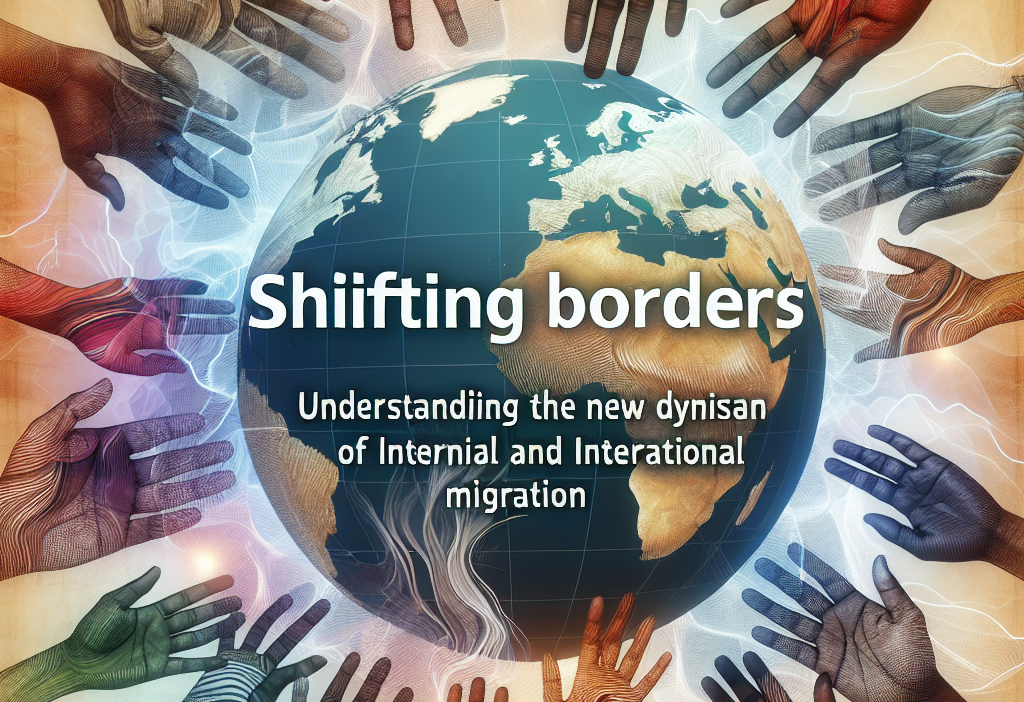
Shifting Borders: Understanding the New Dynamics of Internal and International Migration
Introduction
As the world continues to evolve, the forces reshaping our societies are growing increasingly complex. 🌍 Shifting Borders: Understanding the New Dynamics of Internal and International Migration has never been more crucial. Migration is not just a personal journey; it’s a global phenomenon that impacts economies, cultures, and societies as a whole. This article delves deep into the intricate dynamics of migration, its causes, consequences, and the emerging patterns reshaping our world.
Whether you’re a student, policymaker, or simply someone curious about the world around you, this comprehensive guide aims to equip you with insights that can empower your understanding of migration today.
The Historical Context
The Evolution of Migration Patterns
Migration has been an integral part of human history, with peoples moving from one region to another long before the establishment of borders. Historically, migrations have been driven by:
- Economic Opportunities: Seeking better job prospects.
- Conflict and Persecution: Fleeing wars or oppressive governments.
- Environmental Changes: Displacement caused by natural disasters.
The dynamics of internal migration, whether due to urbanization or rural depopulation, mirror these reasons. For instance, the migration patterns seen during the Industrial Revolution in the 18th century continue to influence present-day trends.
The Impact of Colonialism and Global Trade
Colonialism entrenched migration systems, forcing populations worldwide into new economic realities. The globalization of trade further intensified migration, with individuals from poorer nations moving to wealthier countries in search of better livelihoods. This historical context is essential in understanding the globalized world of migration today.
Internal vs. International Migration: Definitions and Differences
Understanding Internal Migration
Internal migration refers to the movement of people within a country. It can involve:
- Urbanization: Individuals relocating from rural to urban areas in search of employment.
- Inter-state migration: Individuals moving between states or regions for better opportunities.
International Migration
International migration, on the other hand, involves crossing national borders. This can encompass:
- Labor Migration: Workers move abroad for job opportunities.
- Refugee Flows: Individuals fleeing conflict or persecution in their home countries.
The two types of migration are intricately linked; internal migration can sometimes serve as a precursor to international migration as individuals seek to venture beyond their national borders.
The Motives Behind Migration
Economic Factors
Employment Opportunities
One of the primary motives for both internal and international migration is the pursuit of economic opportunities. With globalization opening up new markets, many individuals are drawn to areas where labor is in high demand.
Wage Differences
In many cases, the wage disparity between developing and developed nations drives immigration. For instance, many workers from Latin America migrate to the United States for better-paying jobs, fundamentally altering labor markets on both sides of the border.
Social Factors
Family Reunification
Family reunification remains a compelling reason for migration, as individuals seek to reunite with family members already residing in another country or region.
Education
Students seeking educational opportunities abroad also contribute significantly to migration flows. University exchange programs and scholarships provide avenues for young people to move internationally in search of knowledge.
Table 1: Factors Influencing Migration Patterns
| Factor | Description | Impact on Migration |
|---|---|---|
| Economic | Job opportunities, wage differences | High |
| Social | Family ties, educational pursuits | Moderate to High |
| Political | Conflict, persecution | Very High |
| Environmental | Climate change, natural disasters | Increasingly High |
New Dynamics of Migration in the 21st Century
The Role of Technology
The advent of technology has transformed migration dynamics significantly. The rise of social media and online platforms enables potential migrants to:
- Access information about job opportunities.
- Stay connected with their home countries.
- Share experiences and advice, which can influence others to migrate.
Policy Influences
Government policies play a crucial role in shaping migration dynamics.
Immigration Policies
Liberal immigration policies can facilitate movement across borders, whereas stringent regulations may cause a surge in undocumented migration. The dichotomy between nations with welcoming policies versus those with harsh restrictions continues to create disparities in migration flows.
Chart 1: Immigration Policies and Their Impact on Migration Flows
| Policy Type | Countries with Liberal Policies | Countries with Strict Policies |
|---|---|---|
| Visa Availability | Canada, New Zealand | U.S., Australia |
| Refugee Reception | Germany, Sweden | Hungary, Italy |
| Labor Migration Opportunities | UAE, Qatar | Mexico, El Salvador |
The Consequences of Migration
Economic Impact
Positive Effects:
- Remittances: Migrants often send money back home, contributing significantly to their home economies. According to the World Bank, remittance flows to low- and middle-income countries reached $540 billion in 2020.
- Boosting Labor Markets: Migrants fill labor shortages and can contribute to innovation and entrepreneurship.
Negative Effects:
- Job Competition: In some regions, an influx of migrants can lead to tensions over jobs and resources.
- Costs to Welfare Systems: Increased demand for social services can strain a community’s resources.
Social and Cultural Impact
Migration fosters cultural diversities, leading to enriched social landscapes. However, it can also lead to social tensions if integration isn’t adequately managed. It’s crucial to create spaces for dialogue and mutual understanding.
Political Ramifications
Policies regarding immigration can significantly impact international relations. Tensions between countries often arise over migrants, especially in crisis situations where large numbers of refugees are involved.
The Future of Migration: Emerging Trends
Climate Change and Environmental Migration
One of the most pressing issues of the 21st century, climate change is increasingly becoming a driver of migration. According to the United Nations, by 2050, climate change could displace over 200 million people globally.
Urbanization
Urban migration is expected to rise as cities become more central to economic development. It’s predicted that by 2050, 68% of the world’s population will live in urban areas, emphasizing the need for sustainable urban development.
Demographic Shifts
Aging populations in developed countries juxtaposed with youthful populations in developing regions will likely influence labor migration patterns. For example, countries like Japan are already experiencing labor shortages due to an aging population.
Conclusion
In summary, migration is a multifaceted issue that impacts various aspects of life on a global scale. Shifting Borders: Understanding the New Dynamics of Internal and International Migration encapsulates the pressing need to monitor and respond to these trends responsibly.
The future of migration calls for refined policies that prioritize human dignity and economic growth while fostering a spirit of mutual understanding. As we navigate through these shifting borders, it’s imperative to reflect on how migration intersects with our collective humanity.
FAQs
1. What are the primary causes of migration?
Economic opportunities, social factors (like family reunification), political conditions (conflict and persecution), and environmental changes are key drivers of migration.
2. How does migration affect local economies?
Migration can positively impact economies through remittances and filling labor shortages; however, it can also lead to increased competition for jobs and strain local resources.
3. What role do governments play in migration?
Governments influence migration through policies, visa regulations, and immigration programs that either facilitate or restrict movement across their borders.
4. Is climate change a significant factor influencing migration?
Yes, climate change is increasingly recognized as a driver of migration, leading to displacement due to natural disasters and uninhabitable environments.
5. How can societies better integrate migrants?
Creating inclusive policies, fostering dialogue between communities, and providing access to education and employment opportunities are crucial for successful integration.
By delving into the intricate themes surrounding shifting borders and migration, we’ve highlighted the complexities involved, urging readers to grasp the full breadth of this global phenomenon. The ongoing evolution of migration continues to shape our world; hence, staying informed and engaged will only enhance our understanding of this vital topic. 😊