Introduction
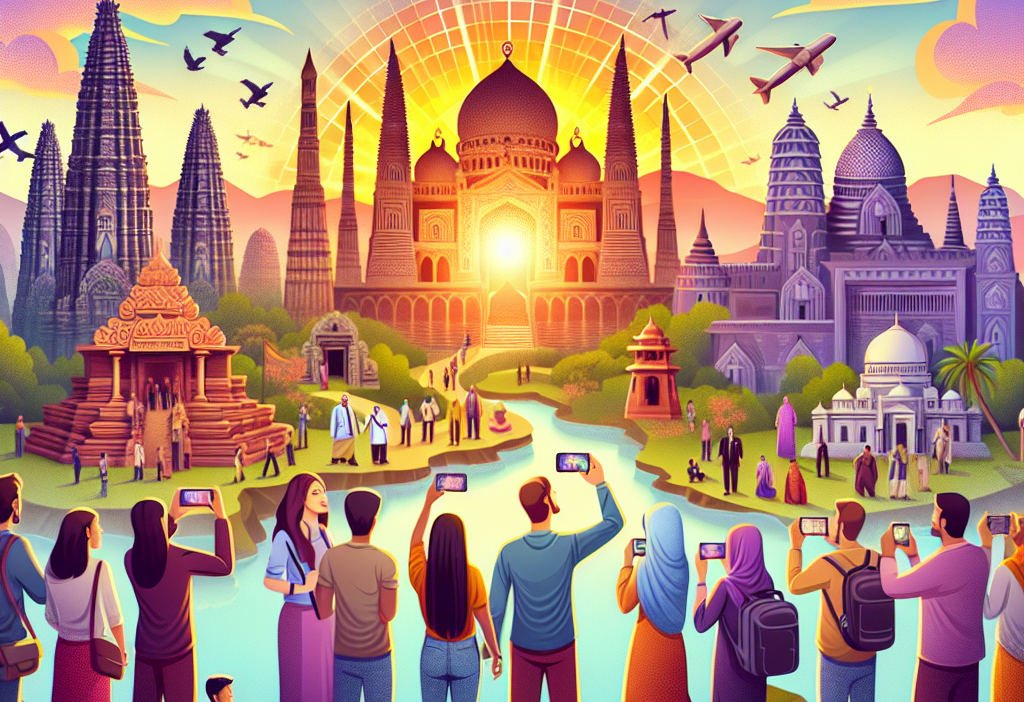
In a world increasingly dominated by technology, fleeting trends, and ever-evolving lifestyles, one phenomenon has remained ever-constant: spirituality. Sacred sites, from ancient temples to modern-day pilgrimage routes, have long served as beacons of hope, reflection, and connection for countless individuals. As we find ourselves in a modern era where cultural exchange and spiritual exploration thrive, the rise of religious tourism becomes a compelling narrative worth exploring.
This article delves into the intricate relationship between sacred sites and the burgeoning sphere of religious tourism in contemporary culture. We aim to uncover the reasons behind this phenomenon, highlight notable examples, and provide insights into how these journeys of faith can enrich our lives. Buckle up for a comprehensive exploration of Sacred Sites: The Rise of Religious Tourism in Contemporary Culture!
The Essence of Sacred Sites
What Are Sacred Sites?
At their core, sacred sites are locations that hold profound spiritual significance for individuals or communities. From historic landmarks like Jerusalem’s Western Wall to natural settings like Uluru in Australia, these places are revered for their deep-rooted connections to faith, history, and culture. Often, they act as convergence points where the sacred and the secular intersect.
Why Do People Visit Sacred Sites?
- Spiritual Connection: Many visitors seek a deeper relationship with the divine, visiting sacred sites to pray, meditate, or partake in rituals.
- Cultural Exploration: For others, sacred sites offer a unique glimpse into different cultures and their religious practices, enhancing understanding and tolerance.
- Healing and Reflection: Sacred spaces provide tranquility and a conducive atmosphere for self-reflection and healing.
- Adventure and Experience: Some travelers view visits to these sites as unique experiences that enrich their lives, creating lasting memories.
The Transformational Power of Sacred Sites
“Places where spiritual experiences happen are never just destinations; they are transformative journeys.” This quote captures the essence of why individuals are drawn to sacred sites. They are not merely places on a map but impactful locations that can facilitate personal growth and emotional healing.
The Growth of Religious Tourism
Statistics and Trends
According to the United Nations World Tourism Organization (UNWTO), religious tourism comprises roughly 30% of global tourism. With over 300 million individuals traveling specifically for spiritual purposes each year, this statistic underscores the importance of sacred sites in contemporary tourism.
| Year | International Religious Tourists | Growth (%) |
|---|---|---|
| 2015 | 300 million | – |
| 2019 | 330 million | +10 |
| 2022 | 370 million | +12 |
Global Destinations in Religious Tourism
Let’s now explore some of the most significant sacred sites around the world that have become popular destinations for religious tourism.
1. Mecca, Saudi Arabia
As the birthplace of the Prophet Muhammad and home to the Kaaba, Mecca remains the ultimate pilgrimage destination for Muslims (Hajj). Millions flock to this sacred city annually, demonstrating the profound and unyielding commitment to their faith.
2. Varanasi, India
Regarded as one of the oldest inhabited cities in the world, Varanasi draws Hindus seeking spiritual cleansing along the banks of the Ganges. Rituals here offer profound experiences, fostering an understanding of Hindu philosophy and mysticism.
3. Jerusalem, Israel
Divided among Christian, Jewish, and Muslim communities, Jerusalem is diverse in its offerings. Key sacred sites like the Western Wall and the Church of the Holy Sepulchre draw millions. The city’s rich history and spiritual depth create an otherworldly atmosphere.
4. Bodh Gaya, India
This UNESCO World Heritage Site is where Siddhartha Gautama reached enlightenment, and it continues to be a significant pilgrimage site for Buddhists. Visitors engage in meditation and reflection, seeking spiritual growth.
5. Santiago de Compostela, Spain
Home to the shrine of Saint James, the pilgrimage to Santiago is a historic route that combines nature, spirituality, and culture. Many walk the Camino de Santiago, a spiritual experience that blends physical challenge with reflection.
Understanding the Drivers of Religious Tourism
1. The Digital Age Connection
With the increasing availability of information on sacred sites through social media and travel blogs, more people are becoming aware of their significance. Beautiful visuals inspire wanderlust, encouraging individuals actively to seek these spiritual experiences.
2. Cultural Exchange and Shared Experiences
The modern traveler is not just a passive observer but often seeks an immersive experience. This desire for cultural exchange enhances the popularity of sacred sites, positioning them as vital elements within the broader tourism ecosystem.
3. Wellness and Spiritual Retreats
The modern wellness movement has embraced sacred sites for their potential in fostering healing and rejuvenation. Many travelers now seek spiritual retreats in serene environments that focus on mindfulness, meditation, and holistic practices.
The Impact of Religious Tourism on Sacred Sites
1. Economic Benefits
The influx of tourists visiting sacred sites provides a substantial economic boost to local communities. This tourism generates revenue that can support local businesses, jobs, and infrastructural development. Religious tourism can account for roughly 35% of the income in some areas.
2. Preservation of Heritage
In many cases, the preservation efforts funded by tourism revenues—such as maintenance of historical sites and educational programs—ensure the longevity of sacred locations. Responsible tourism encourages communities to protect their heritage while sharing their culture with the world.
3. Cultural Exchange
Traveling to sacred sites enables individuals from diverse backgrounds to connect, communicate, and participate in cultural practices. This interaction fosters love, understanding, and tolerance, breaking down barriers that often exist between different faiths.
4. Environmental Sustainability Concerns
Despite the benefits, an excessive number of visitors can strain local environments and ecosystems. Sacred sites must navigate the delicate balance between welcoming tourists and maintaining the spiritual sanctity and ecological aspects of these sacred areas.
Challenges Facing Sacred Sites and Religious Tourism
1. Overtourism
With the rising numbers of travelers visiting popular sacred sites, issues related to overcrowding have emerged. Over-tourism can lead to the degradation of the site, impacting both the spiritual atmosphere and the environment.
2. Commercialization of Spirituality
As the demand for experiences grows, there’s an increasing concern that authentic spiritual practices may be compromised in favor of commercialization. This trend risks eroding the sacred nature of these sites, transforming them into mere tourist traps.
3. Cultural Sensitivity and Respect
Traveling to sacred destinations necessitates a deep understanding of local customs and beliefs. Tourists must navigate cultural nuances to avoid offending locals and diminishing the sanctity of the site.
4. Environmental Sustainability
The increase in foot traffic can have a damaging effect on ecosystems surrounding sacred sites. Sustainable management practices are essential to ensure these vital areas remain healthy and intact for future generations.
Engaging in Responsible Religious Tourism
To enjoy sacred sites meaningfully and respectfully, consider adopting the following best practices:
Research and Educate: Understand the cultural significance of the site before visiting. Familiarize yourself with local customs and traditions.
Practice Respect: Always be respectful, following rules and guidelines laid out by local authorities to preserve the sanctity of sacred areas.
Support Local Communities: Choose local guides, eat at local restaurants, and buy handmade crafts to contribute to the economy.
Minimize Your Footprint: Adopt eco-friendly practices, such as reducing waste and avoiding disruptive behaviors that can harm the environment.
- Be Mindful of Your Impact: Reflect on how your presence can affect local communities and cultures, striving to leave a positive mark.
Conclusion
The exploration of sacred sites and the rise of religious tourism illuminate the rich, interconnected tapestry of human spirituality, culture, and experience. By engaging with these sacred spaces, travelers can deepen their understanding of themselves, our shared history, and the diverse spectrum of beliefs that shape our world.
However, it is essential to thrive in this domain responsibly, ensuring that we honor these profound locations while enjoying the transformative experiences they offer.
As you plan your next journey, consider the broader impact of religious tourism and strive to be a conscientious traveler, fostering respect, understanding, and connection—elements that lie at the heart of any spiritual journey.
FAQs
1. What are sacred sites, and why do they attract tourists?
Sacred sites are locations with spiritual significance, attracting tourists who seek connection, healing, and cultural experiences. Popular examples include Jerusalem, Varanasi, and Mecca.
2. How can I engage in responsible religious tourism?
Research the cultural significance of the site, adhere to local customs, support local economies, and be mindful of your environmental impact.
3. What are some significant benefits of religious tourism?
Religious tourism boosts local economies, fosters cultural exchange, preserves heritage, and encourages spiritual exploration.
4. What challenges does religious tourism face today?
Key challenges include overtourism, commercialization, maintaining cultural sensitivity, and ensuring environmental sustainability.
5. Can I visit sacred sites as a non-religious person?
Absolutely! Sacred sites often welcome everyone, offering paths for personal reflection and cultural insight—regardless of religious affiliation.
By delving into the rich layers of Sacred Sites: The Rise of Religious Tourism in Contemporary Culture, we are reminded of the power of spirituality and the collective search for meaning. Whether you’re a seasoned traveler or planning your first pilgrimage, the journey promises valuable lessons that extend well beyond the physical realm.