Introduction
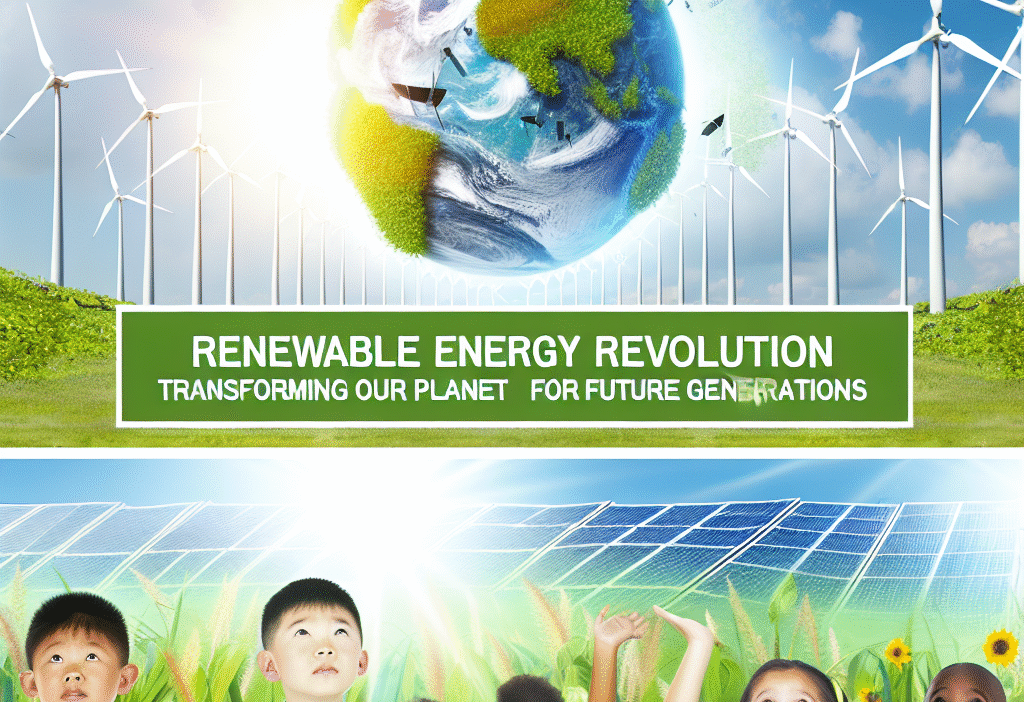
The world is at a pivotal crossroads, where the urgent need for sustainable energy solutions has never been more critical. 🌎 As climate change, pollution, and dwindling natural resources threaten our planet, the Renewable Energy Revolution: Transforming Our Planet for Future Generations emerges as a beacon of hope. This article delves into the transformative power of renewable energy, its significance in combating climate concerns, and how it promises a healthier planet for generations to come.
We will explore various forms of renewable energy, the technological advancements propelling the movement, and actionable steps we can all take to contribute to this vital revolution. Prepare to embark on a journey towards a sustainable future!
Understanding Renewable Energy: The Basics
What is Renewable Energy?
Renewable energy refers to energy derived from natural processes that are replenished constantly. This includes energy from sources such as the sun, wind, rain, tides, waves, and geothermal heat. Unlike fossil fuels, which take millions of years to form and are finite, renewable resources are abundant and effectively limitless.
Types of Renewable Energy Sources
Solar Energy: Harnessing sunlight through photovoltaic cells or solar thermal systems.
Wind Energy: Utilizing wind turbines to convert kinetic energy from the wind into mechanical power.
Hydropower: Generating electricity through the movement of water, typically in rivers or large water reservoirs.
Biomass Energy: Organic materials like wood, agricultural crops, or waste are converted into energy.
- Geothermal Energy: Using heat from the Earth’s interior for electricity generation or direct heating purposes.
Each type of renewable energy has its own unique advantages and challenges, contributing to a diverse energy landscape.
Why the Renewable Energy Revolution is Crucial
Climate Change Mitigation
With CO2 emissions reaching alarming levels, transitioning from fossil fuels to renewable energy is imperative. The Renewable Energy Revolution offers a pathway to drastically reduce greenhouse gas emissions, which are primarily responsible for global warming.
- Statistics: According to the International Renewable Energy Agency (IRENA), doubling the global share of renewables can save between 5 and 10 million lives annually by reducing air pollution.
Economic Benefits
Investing in renewable energy not only creates jobs but also fosters economic growth. The renewable sector is projected to add millions of jobs worldwide, offering new employment opportunities in installation, maintenance, and operation.
- Example: In 2020, there were approximately 11.5 million people employed in the renewable energy sector globally. This figure is expected to rise, signaling a robust shift towards a greener economy. 📈
Technological Advancements Driving the Revolution
Research and Development
Advances in technology have significantly increased the efficiency and affordability of renewable energy sources. Innovations in battery storage, smart grids, and energy management systems are paving the way for a more sustainable energy future.
Battery Storage
Energy storage technologies, like lithium-ion batteries, allow us to store energy generated during peak production times for later use, making renewable sources more reliable.
Smart Grids
Smart grids utilize digital technology to monitor and manage the transport of electricity from all generation sources to meet the varying energy demands of end users.
Global Adoption Trends
Countries across the globe are embracing renewable energy at unprecedented rates.
- Example: In 2020, renewable energy accounted for 29% of global electricity generation, which is a significant increase from just 18% a decade earlier.
This trend signifies a growing recognition of renewables as essential components of energy portfolios globally.
How Individuals Can Participate in the Renewable Energy Revolution
Everyone has a role in this energizing transition. Here are a few actionable steps to become a part of the Renewable Energy Revolution:
1. Invest in Renewable Energy
Consider installing solar panels in your home or opting for green energy options from your utility provider.
- Tip: Many regions offer tax credits and incentives for those willing to embrace renewable energy technologies.
2. Increase Energy Efficiency
Adopt energy-efficient appliances and practices to reduce overall energy consumption.
- Example: Simple changes like switching to LED bulbs or using programmable thermostats can substantially lower your energy bill and environmental footprint.
3. Advocate for Policy Changes
Engage with local policies promoting renewable energy initiatives. Advocate for government support in transitioning toward greener technologies, such as subsidies for solar energy systems or wind farms.
4. Educate Others
Spread awareness about the benefits of renewable energy. Use social media platforms and local community events to educate others about how renewable energy can benefit the environment and economy.
The Economic Landscape of the Renewable Energy Revolution
Investment Opportunities
With the renewable energy market expanding rapidly, various investment opportunities are emerging. From solar energy stocks to mutual funds that focus on sustainable investments, individuals can align their financial goals with ecological values.
Market Insights:
- Renewable energy investment has surpassed traditional fossil fuels for the first time in history, indicating a robust market shift.
Cost Competitiveness
Renewable technologies have become more cost-competitive than fossil fuels, making them an essential part of the energy landscape.
- Statistic: The levelized cost of energy (LCOE) for solar and wind has dropped by more than 80% in the last decade, making it cheaper than coal in many regions.
Global Initiatives Supporting Renewable Energy
International Treaties
Global agreements, such as the Paris Agreement, aim to limit global warming and promote sustainable energy solutions. Countries committed to these treaties are increasingly investing in renewable resources to meet their emissions targets.
Local Projects
Many local initiatives, such as community solar power programs, enable neighborhoods to collaborate in using renewable energy. These community-based programs not only reduce costs but also foster communal ties and collective responsibility toward energy use.
Visualizing Our Renewable Future: Statistics and Charts
[Chart 1: Global Renewable Energy Growth Over Time]
(Can be embedded or illustrated here)
[Chart 2: Job Creation in the Renewable Sector]
(Can be embedded or illustrated here)
[Table: LCOE Comparisons of Different Energy Sources]
(Can be embedded or illustrated here)
Conclusion: Your Role in the Renewable Energy Revolution
The Renewable Energy Revolution: Transforming Our Planet for Future Generations is not just a trend—it’s a necessity for a sustainable future. Our collective actions today will shape the world of tomorrow. By embracing renewable technologies, advocating for sustainable policies, and educating others, we can drive the change needed to create a more sustainable planet.
Together, let’s turn the tide towards a greener future! 🌱
FAQs on the Renewable Energy Revolution
Q1: What are the main types of renewable energy?
A: The main types of renewable energy include solar, wind, hydropower, biomass, and geothermal energy.
Q2: How can individuals contribute to renewable energy efforts?
A: Individuals can contribute by installing renewable energy systems, advocating for supportive policies, and promoting community awareness.
Q3: Is renewable energy more expensive than fossil fuels?
A: No, renewable energy sources have become significantly cheaper, with costs dropping dramatically for solar and wind technologies in recent years.
Q4: What global agreements support renewable energy transition?
A: The Paris Agreement is a key international treaty focused on limiting global warming, which also supports the transition to renewable energy.
Q5: How does renewable energy impact job creation?
A: The renewable energy sector is rapidly growing, creating millions of jobs globally in fields like installation, maintenance, and research.
In this era of transformation, the renewable energy revolution stands crucial for our immediate action and responsible stewardship of the earth. Together, we can ensure a sustainable planet full of possibilities for future generations!