Introduction
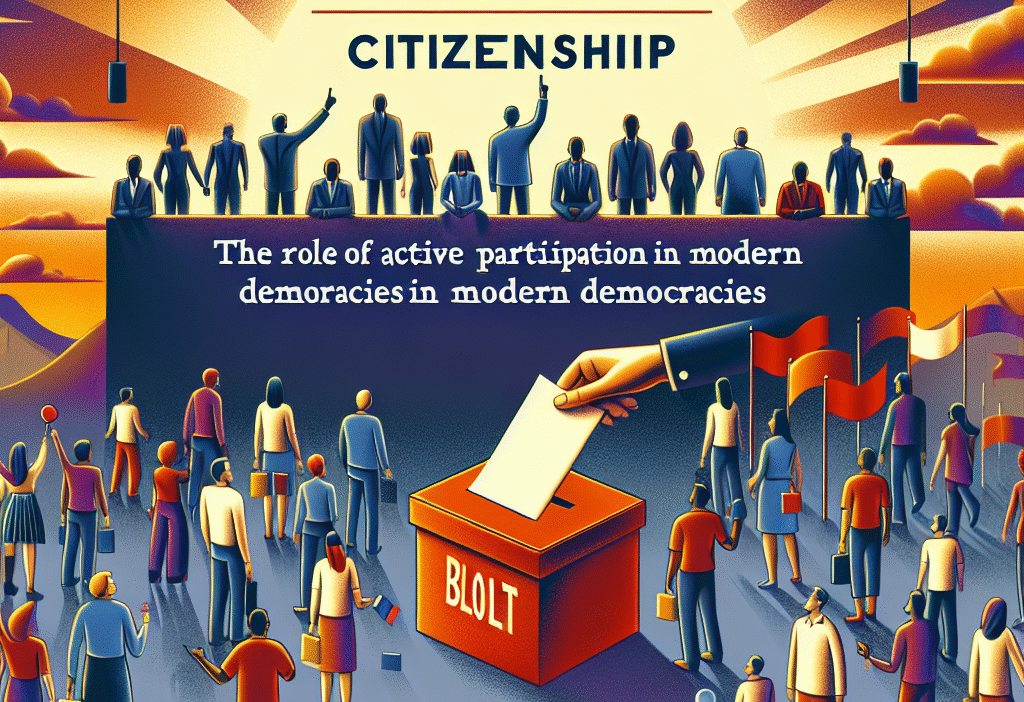
In an era marked by rapid change and increasing polarization, the concept of citizenship is evolving. No longer confined to mere legal status, citizenship today encompasses active participation in the democratic process. This article explores Redefining Citizenship: The Role of Active Participation in Modern Democracies, shedding light on why engagement is crucial for the health of our societies.
Active participation is not just a right; it’s a responsibility that empowers individuals and strengthens communities. From voting to community service, the ways in which citizens engage can shape policies, influence leaders, and ultimately determine the trajectory of democracy itself.
In this comprehensive guide, we will delve into the various dimensions of active citizenship, its significance in modern democracies, and actionable steps individuals can take to become more engaged.
The Evolution of Citizenship
Historical Context
Citizenship has undergone significant transformations throughout history. Initially, it was a privilege reserved for a select few, often based on wealth, gender, or ethnicity. However, the rise of democratic ideals has broadened this definition, emphasizing inclusivity and participation.
- Ancient Greece: Citizenship was limited to free men, excluding women and slaves.
- The Enlightenment: Philosophers like John Locke and Jean-Jacques Rousseau argued for the rights of individuals, laying the groundwork for modern democratic thought.
- 20th Century: The suffrage movements and civil rights movements expanded citizenship to include marginalized groups.
Modern Definitions
Today, citizenship is often defined as a legal status that grants individuals certain rights and responsibilities. However, this definition is increasingly being challenged. Active citizenship emphasizes participation in civic life, advocating for social justice, and engaging in community service.
The Importance of Active Participation
Strengthening Democracy
Active participation is vital for the health of democracies. When citizens engage, they contribute to a more informed electorate, which leads to better decision-making.
- Informed Voting: Engaged citizens are more likely to research candidates and policies, leading to more thoughtful voting.
- Accountability: Active participation holds elected officials accountable, ensuring they represent the interests of their constituents.
Fostering Community
Active citizenship fosters a sense of belonging and community. When individuals participate in local initiatives, they build relationships and networks that strengthen social cohesion.
- Volunteerism: Engaging in community service not only helps those in need but also creates bonds among community members.
- Local Governance: Participation in town hall meetings or local boards allows citizens to voice their concerns and influence local policies.
Enhancing Personal Growth
Engaging in civic activities can lead to personal development. It encourages individuals to step out of their comfort zones, develop new skills, and gain confidence.
- Skill Development: Organizing community events or participating in advocacy campaigns can enhance leadership and communication skills.
- Empathy and Understanding: Active participation exposes individuals to diverse perspectives, fostering empathy and understanding.
Forms of Active Participation
Voting
Voting is the most fundamental form of active participation. It is the primary means through which citizens express their preferences and influence government policies.
- Importance of Voter Turnout: High voter turnout is often associated with more representative governance.
- Engagement Strategies: Educating oneself about candidates and issues, participating in voter registration drives, and encouraging others to vote are essential steps.
Community Service
Community service allows individuals to contribute to their communities while gaining valuable experiences.
- Types of Service: This can range from volunteering at local shelters to participating in environmental clean-up efforts.
- Impact: Community service not only addresses immediate needs but also fosters long-term community resilience.
Advocacy and Activism
Advocacy involves promoting a cause or policy, while activism often includes direct action to bring about social change.
- Grassroots Movements: Many significant changes in society have originated from grassroots movements, emphasizing the power of collective action.
- Digital Activism: In the digital age, social media platforms have become powerful tools for mobilizing support and raising awareness.
Civic Education
Understanding the political system and one’s rights is crucial for effective participation.
- Educational Programs: Schools and community organizations can offer programs that educate citizens about their rights and responsibilities.
- Engagement in Discussions: Participating in forums and discussions can enhance understanding and encourage informed participation.
The Challenges of Active Participation
Apathy and Disengagement
One of the most significant challenges to active citizenship is apathy. Many individuals feel disillusioned or believe their participation won’t make a difference.
- Combatting Apathy: Initiatives that highlight the impact of civic engagement can inspire individuals to participate.
- Creating Inclusive Spaces: Ensuring that all voices are heard can help combat feelings of disenfranchisement.
Barriers to Participation
Various barriers can hinder active participation, including socioeconomic factors, lack of access to information, and systemic inequalities.
- Addressing Barriers: Community organizations can work to provide resources and support to marginalized groups, ensuring equitable access to participation opportunities.
Misinformation
In the age of information overload, distinguishing between credible sources and misinformation is crucial for informed participation.
- Media Literacy: Educational initiatives that promote media literacy can empower citizens to critically evaluate information and make informed decisions.
The Role of Technology in Active Participation
Digital Platforms
Technology has transformed the landscape of civic engagement. Social media and online platforms provide new avenues for participation.
- Online Voting: Some jurisdictions are exploring online voting options to increase accessibility.
- Social Media Campaigns: Platforms like Twitter and Facebook have become essential tools for organizing and mobilizing support for various causes.
E-Government
E-government initiatives aim to make government services more accessible and transparent.
- Online Resources: Many governments now offer online portals where citizens can access information, participate in discussions, and provide feedback on policies.
Challenges of Digital Participation
While technology offers many benefits, it also presents challenges, such as digital divides and cybersecurity concerns.
- Ensuring Accessibility: Efforts must be made to ensure that all citizens have access to digital tools and resources.
- Protecting Privacy: Safeguarding personal information is crucial in maintaining trust in digital participation.
Case Studies of Successful Active Participation
The Civil Rights Movement
The Civil Rights Movement in the United States serves as a powerful example of how active participation can lead to significant societal change.
- Grassroots Organizing: Community organizing and advocacy led to landmark legislation, including the Civil Rights Act of 1964.
- Collective Action: The movement demonstrated the power of collective action in challenging systemic injustices.
Global Climate Strikes
The global climate strikes, inspired by activists like Greta Thunberg, illustrate the impact of youth-led activism.
- Mobilization: Millions of young people around the world have participated in strikes, demanding action on climate change.
- Awareness: These strikes have raised awareness and pressured governments to take climate action seriously.
Conclusion
Redefining citizenship through active participation is essential for the vitality of modern democracies. As we have explored, active engagement not only strengthens democratic processes but also fosters community, personal growth, and social justice.
Citizens have the power to shape their societies, and by embracing their roles as active participants, they can create meaningful change.
Call to Action
Now is the time to take action! Whether it’s voting, volunteering, or advocating for a cause, every effort counts. Let’s redefine citizenship together and build a brighter future for our communities and democracies.
FAQs
1. What is active citizenship?
Active citizenship refers to the engagement of individuals in civic life, including voting, community service, and advocacy. It emphasizes participation as a means of influencing society and governance.
2. Why is active participation important in democracies?
Active participation is crucial for ensuring that governments are accountable, representative, and responsive to the needs of their citizens. It fosters informed decision-making and strengthens community bonds.
3. How can I get involved in my community?
You can get involved by volunteering for local organizations, attending town hall meetings, or participating in community events. Research local initiatives that align with your interests.
4. What are some barriers to active participation?
Barriers can include socioeconomic factors, lack of access to information, and systemic inequalities. Addressing these barriers is essential for promoting equitable participation.
5. How has technology changed civic engagement?
Technology has transformed civic engagement by providing new platforms for participation, such as social media and online voting. However, it also presents challenges, such as digital divides and misinformation.
By understanding and embracing the essential role of active participation, we can redefine citizenship and contribute to the flourishing of modern democracies. Let’s take the first step together!