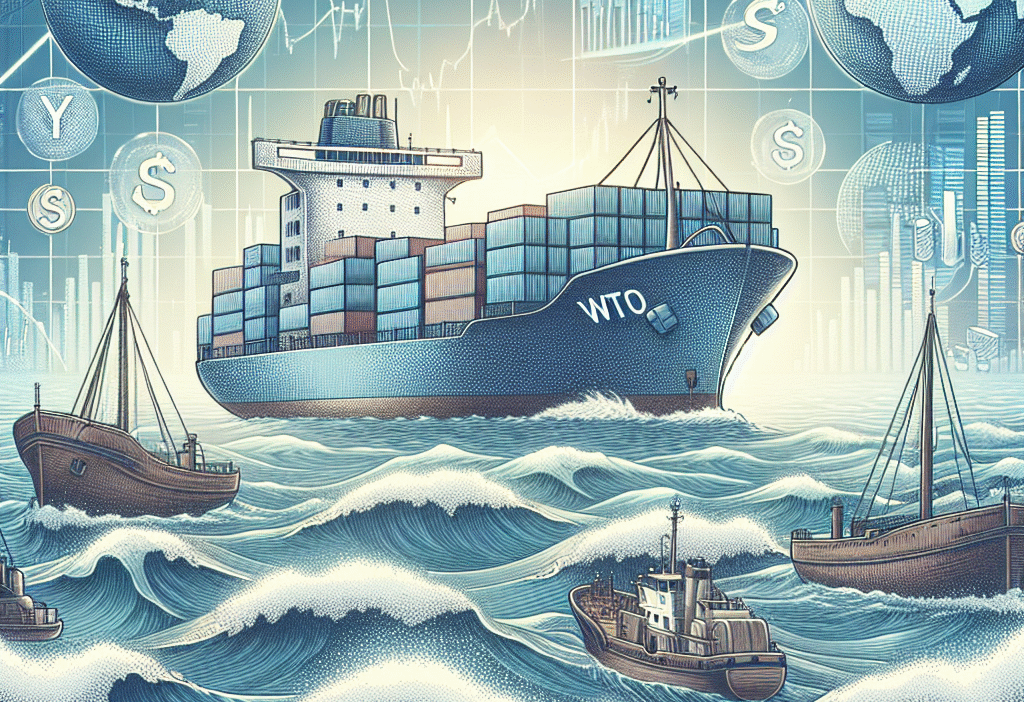
In today’s rapidly evolving global economy, understanding the intricate dynamics of international trade is more crucial than ever. Navigating Trade Waters: The WTO and Regional Blocs in a Changing Global Economy is not just a catchy phrase; it encapsulates the essence of modern trade relationships and the frameworks that govern them. As nations grapple with economic challenges, geopolitical tensions, and technological advancements, the roles of the World Trade Organization (WTO) and regional trade blocs have become pivotal. This article will explore these entities, their significance, and how they shape the future of global trade.
Introduction
Imagine a world where trade barriers are minimal, and countries collaborate seamlessly to foster economic growth. This vision is at the heart of international trade agreements and organizations. The WTO, established to regulate and facilitate international trade, plays a vital role in this landscape. Meanwhile, regional trade blocs, such as the European Union (EU) and the North American Free Trade Agreement (NAFTA), offer tailored solutions to specific regional challenges.
In this comprehensive guide, we will delve into the following key areas:
- The Role of the WTO in Global Trade
- Understanding Regional Trade Blocs
- The Interplay Between the WTO and Regional Blocs
- Challenges and Opportunities in a Changing Global Economy
- Future Trends in International Trade
By the end of this article, you will have a clearer understanding of how to navigate the complex trade waters of our time, armed with insights that can empower your business or personal endeavors.
The Role of the WTO in Global Trade
What is the WTO?
The World Trade Organization (WTO) is an intergovernmental organization that regulates international trade. Established in 1995, it replaced the General Agreement on Tariffs and Trade (GATT) and aims to ensure that trade flows as smoothly, predictably, and freely as possible.
Key Functions of the WTO
Trade Negotiations: The WTO provides a platform for member countries to negotiate trade agreements, aiming to reduce tariffs and other trade barriers.
Dispute Resolution: One of the most critical functions of the WTO is to resolve trade disputes between member countries. This process helps maintain order and fairness in international trade.
Monitoring Trade Policies: The WTO regularly reviews the trade policies of its members to ensure compliance with agreements and commitments.
- Capacity Building: The organization also assists developing countries in building their trade capacity, ensuring they can participate effectively in the global economy.
The Importance of the WTO
The WTO plays a crucial role in promoting global trade by:
Reducing Trade Barriers: By facilitating negotiations, the WTO helps lower tariffs and non-tariff barriers, making it easier for countries to trade.
Ensuring Fair Competition: The dispute resolution mechanism ensures that countries adhere to agreed-upon rules, promoting a level playing field.
- Encouraging Economic Growth: By fostering trade, the WTO contributes to economic growth, job creation, and poverty reduction worldwide.
Visual Aid: WTO Functions Overview
| Function | Description |
|---|---|
| Trade Negotiations | Platform for negotiating trade agreements |
| Dispute Resolution | Mechanism for resolving trade disputes |
| Monitoring Policies | Regular reviews of member trade policies |
| Capacity Building | Assistance for developing countries |
Understanding Regional Trade Blocs
What are Regional Trade Blocs?
Regional trade blocs are agreements between countries in a specific region to promote trade and economic integration. These blocs can take various forms, including free trade areas, customs unions, and common markets.
Types of Regional Trade Blocs
Free Trade Areas (FTAs): Countries eliminate tariffs and trade barriers among themselves while maintaining their own external tariffs. Example: NAFTA (now USMCA).
Customs Unions: In addition to eliminating internal tariffs, member countries adopt a common external tariff against non-member countries. Example: The Southern Common Market (MERCOSUR).
- Common Markets: These blocs allow for the free movement of goods, services, capital, and labor among member countries. Example: The European Union (EU).
Benefits of Regional Trade Blocs
Increased Trade: By reducing barriers, regional blocs encourage trade among member countries.
Economic Integration: These agreements promote closer economic ties and cooperation.
- Political Stability: Economic interdependence can lead to greater political stability in the region.
Visual Aid: Types of Regional Trade Blocs
| Type of Bloc | Description | Example |
|---|---|---|
| Free Trade Area | Elimination of tariffs among members | NAFTA/USMCA |
| Customs Union | Common external tariff alongside internal tariff elimination | MERCOSUR |
| Common Market | Free movement of goods, services, capital, and labor | European Union (EU) |
The Interplay Between the WTO and Regional Blocs
Complementary Roles
While the WTO and regional trade blocs may seem at odds, they often complement each other. Regional agreements can serve as a testing ground for broader WTO negotiations. For instance, successful trade policies in regional blocs can inform global trade discussions.
Tensions and Conflicts
However, tensions can arise. Regional trade agreements may lead to trade diversion, where trade shifts from more efficient global producers to less efficient regional ones. This can undermine the WTO’s goal of promoting global trade efficiency.
Case Study: The EU and the WTO
The European Union is a prime example of a regional bloc that interacts with the WTO. The EU has its own trade policies and agreements, but it also adheres to WTO rules. This duality can create complexities, especially when EU policies conflict with WTO regulations.
Visual Aid: WTO and Regional Blocs Interaction
| Aspect | WTO | Regional Blocs |
|---|---|---|
| Focus | Global trade regulation | Regional economic integration |
| Approach | Multilateral negotiations | Bilateral or regional agreements |
| Conflict Potential | Trade diversion concerns | Compliance with WTO rules |
Challenges and Opportunities in a Changing Global Economy
Current Challenges
Protectionism: Rising protectionist sentiments in various countries threaten to undermine global trade. Tariffs and trade barriers are on the rise, challenging the principles of free trade.
Geopolitical Tensions: Trade wars and geopolitical conflicts can disrupt established trade relationships, leading to uncertainty in the global market.
- Technological Changes: The rapid pace of technological advancement is reshaping industries and trade patterns, requiring adaptation from both the WTO and regional blocs.
Opportunities Ahead
Digital Trade: The rise of e-commerce and digital services presents new opportunities for trade. The WTO is working to establish rules that govern digital trade, which could enhance global commerce.
Sustainable Trade: There is a growing emphasis on sustainable trade practices. Both the WTO and regional blocs can play a role in promoting environmentally friendly trade policies.
- Inclusive Trade: Efforts to include developing countries in global trade discussions can lead to more equitable economic growth.
Visual Aid: Challenges and Opportunities in Trade
| Challenges | Opportunities |
|---|---|
| Protectionism | Digital trade growth |
| Geopolitical tensions | Sustainable trade practices |
| Technological changes | Inclusive trade initiatives |
Future Trends in International Trade
The Rise of Regionalism
As global trade faces challenges, regionalism is likely to gain momentum. Countries may increasingly turn to regional agreements to secure trade relationships, leading to a more fragmented trade landscape.
Digital Trade Regulations
The future of trade will be heavily influenced by digital commerce. The WTO and regional blocs will need to establish regulations that address issues such as data privacy, cybersecurity, and cross-border data flows.
Sustainability in Trade
Sustainable trade practices will become a focal point for both the WTO and regional blocs. This includes promoting environmentally friendly products and practices, as well as addressing the social impacts of trade.
Visual Aid: Future Trends in Trade
| Trend | Description |
|---|---|
| Rise of Regionalism | Increased focus on regional trade agreements |
| Digital Trade | Establishing regulations for e-commerce |
| Sustainability | Promoting environmentally friendly trade practices |
Conclusion
Navigating the complex waters of international trade requires a deep understanding of the roles played by the WTO and regional trade blocs. As we have explored, these entities are not only essential for regulating trade but also for fostering economic growth and cooperation among nations.
In a world marked by challenges and opportunities, staying informed and adaptable is key. Whether you are a business leader, policymaker, or simply an interested observer, understanding the dynamics of trade can empower you to make informed decisions.
As we move forward, let us embrace the potential for collaboration and innovation in trade, ensuring that we navigate these waters with confidence and purpose.
FAQs
1. What is the primary function of the WTO?
The WTO primarily facilitates trade negotiations, resolves disputes, and monitors trade policies among member countries to promote smooth and fair international trade.
2. How do regional trade blocs differ from the WTO?
Regional trade blocs focus on economic integration among specific countries, while the WTO operates on a global scale to regulate trade among all member nations.
3. Can regional trade agreements conflict with WTO rules?
Yes, regional trade agreements can sometimes conflict with WTO rules, particularly regarding trade diversion and compliance issues.
4. What are the benefits of joining a regional trade bloc?
Joining a regional trade bloc can lead to increased trade, economic cooperation, and political stability among member countries.
5. How is digital trade changing the landscape of international trade?
Digital trade is reshaping international trade by introducing new products and services, requiring updated regulations, and enhancing cross-border commerce.
By understanding the intricacies of Navigating Trade Waters: The WTO and Regional Blocs in a Changing Global Economy, you can better appreciate the complexities of international trade and its impact on our world. Stay informed, stay engaged, and be prepared to adapt to the ever-evolving landscape of global commerce.