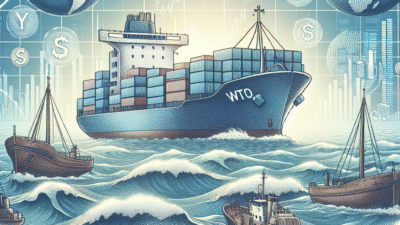
In an increasingly interconnected world, understanding the complexities of international trade is essential for businesses, policymakers, and consumers alike. As countries engage in trade, they often implement various barriers to protect their domestic industries, regulate imports, and influence economic relationships. Among these barriers, tariffs and non-tariff barriers (NTBs) play pivotal roles. This article, Navigating Trade Waters: A Comparative Analysis of Tariff and Non-Tariff Barriers, aims to provide a comprehensive understanding of these two types of trade barriers, their implications, and strategies for navigating them effectively.
Introduction
Imagine a world where businesses can freely exchange goods and services across borders without facing obstacles. While this ideal scenario is the goal of many trade agreements, the reality is often quite different. Tariffs and non-tariff barriers can significantly impact trade dynamics, influencing everything from pricing to market access.
Why This Topic Matters
Understanding tariffs and non-tariff barriers is crucial for anyone involved in international trade. Whether you are a business owner looking to expand into new markets, a policymaker crafting trade regulations, or a consumer interested in the prices of imported goods, this analysis will provide valuable insights.
In this article, we will explore:
- The definitions and types of tariffs and non-tariff barriers
- The economic implications of these barriers
- Strategies for navigating trade waters effectively
- Real-world examples and case studies
- Frequently asked questions to clarify common concerns
Let’s dive into the depths of international trade and uncover the nuances of tariffs and non-tariff barriers.
Understanding Tariffs
What Are Tariffs?
Tariffs are taxes imposed by governments on imported goods. They are typically calculated as a percentage of the value of the goods or as a fixed fee per unit. Tariffs serve multiple purposes, including:
- Revenue Generation: Governments collect tariffs as a source of income.
- Protectionism: By making imported goods more expensive, tariffs protect domestic industries from foreign competition.
- Trade Policy Tool: Tariffs can be used strategically to influence trade negotiations and relationships.
Types of Tariffs
Ad Valorem Tariffs: These are calculated as a percentage of the value of the imported goods. For example, a 10% tariff on a $100 product would result in a $10 tariff.
Specific Tariffs: These are fixed fees imposed on a specific quantity of goods, regardless of their value. For instance, a $5 tariff on each imported shoe.
- Compound Tariffs: These combine both ad valorem and specific tariffs. For example, a product may incur a 5% tariff plus an additional $2 per unit.
Economic Implications of Tariffs
Tariffs can have significant economic implications, including:
- Increased Prices: Consumers often face higher prices for imported goods due to tariffs, which can lead to inflation.
- Reduced Trade Volume: High tariffs can discourage imports, leading to a decrease in overall trade volume.
- Retaliation: Countries affected by tariffs may impose their own tariffs in retaliation, leading to trade wars.
Visual Representation of Tariffs

Figure 1: Types of Tariffs and Their Impacts
Understanding Non-Tariff Barriers (NTBs)
What Are Non-Tariff Barriers?
Non-tariff barriers are regulatory or policy measures other than tariffs that countries use to control the amount of trade across their borders. These can include quotas, import licenses, standards, and regulations that make it difficult for foreign goods to enter a market.
Types of Non-Tariff Barriers
Quotas: Limits on the quantity of a specific good that can be imported during a given timeframe.
Import Licenses: Requirements for importers to obtain permission before bringing certain goods into the country.
Standards and Regulations: Health, safety, and environmental standards that foreign products must meet, which can be more stringent than those for domestic products.
- Subsidies: Financial support provided by governments to local industries, making their products cheaper than imported goods.
Economic Implications of NTBs
Non-tariff barriers can also have profound economic effects, such as:
- Market Access Issues: NTBs can create significant hurdles for foreign companies trying to enter a market.
- Increased Costs: Compliance with stringent regulations can increase costs for exporters.
- Trade Distortion: NTBs can distort market dynamics, leading to inefficiencies.
Visual Representation of NTBs
Figure 2: Types of Non-Tariff Barriers and Their Effects
Comparative Analysis: Tariffs vs. Non-Tariff Barriers
Similarities
- Trade Restriction: Both tariffs and NTBs serve to restrict trade and protect domestic industries.
- Economic Impact: Both can lead to increased prices for consumers and reduced trade volumes.
Differences
| Aspect | Tariffs | Non-Tariff Barriers |
|---|---|---|
| Definition | Taxes on imports | Regulatory measures |
| Implementation | Simple to calculate and enforce | Often complex and varied |
| Transparency | Generally clear and predictable | Can be opaque and difficult to navigate |
| Revenue Generation | Directly generates government revenue | No direct revenue generation |
| Impact on Trade | Immediate price increase | Gradual market access challenges |
Reader Engagement: Which Barrier Affects You?
🤔 Are you a business owner? Consider how tariffs might affect your pricing strategy. Are you a consumer? Think about how NTBs might impact the availability of your favorite products.
Strategies for Navigating Trade Waters
Understanding the Landscape
Research: Stay informed about the tariffs and NTBs that affect your industry. Utilize resources such as government trade websites and industry reports.
- Consult Experts: Engage with trade consultants or legal experts who specialize in international trade regulations.
Strategic Planning
Diversification: Consider diversifying your supply chain to mitigate risks associated with tariffs and NTBs.
- Compliance: Ensure that your products meet the necessary standards and regulations in your target markets to avoid delays and additional costs.
Leveraging Trade Agreements
Free Trade Agreements (FTAs): Explore FTAs that may reduce or eliminate tariffs and NTBs between participating countries.
- Bilateral Agreements: Negotiate bilateral agreements that address specific trade barriers with key partners.
Visual Representation of Strategies
Figure 3: Strategies for Navigating Tariffs and Non-Tariff Barriers
Conclusion
Navigating the complex waters of international trade requires a deep understanding of both tariffs and non-tariff barriers. By recognizing the differences and implications of these barriers, businesses and policymakers can make informed decisions that foster growth and sustainability.
Final Thoughts
As you embark on your journey through international trade, remember that knowledge is power. Equip yourself with the insights shared in this article, and you’ll be better prepared to navigate the challenges and opportunities that lie ahead.
FAQs
1. What is the primary purpose of tariffs?
Tariffs are primarily used to protect domestic industries by making imported goods more expensive, thereby encouraging consumers to buy local products.
2. How do non-tariff barriers affect international trade?
Non-tariff barriers can create significant hurdles for foreign companies, limiting market access and increasing compliance costs.
3. Can tariffs lead to trade wars?
Yes, when one country imposes tariffs, affected countries may retaliate with their own tariffs, leading to escalating trade tensions.
4. How can businesses prepare for tariffs and NTBs?
Businesses can prepare by conducting thorough research, consulting experts, and ensuring compliance with regulations in target markets.
5. Are there any benefits to tariffs?
While tariffs can protect domestic industries, they can also lead to higher prices for consumers and reduced trade volumes, making their overall impact complex.
By understanding the intricacies of tariffs and non-tariff barriers, you can navigate the trade waters with confidence and strategic foresight. For more resources and insights on international trade, visit MyJRF.