Introduction
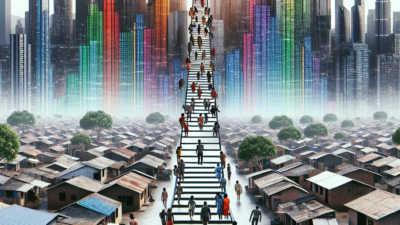
Imagine a community where families once thrived, surrounded by the beauty of nature and culture, now displaced due to development projects. This is a harsh reality faced by millions globally. 🎭 Navigating the landscape of displacement is not just a matter of relocating individuals; it’s about understanding the imprints left on communities and finding effective rehabilitation strategies to mitigate these impacts.
In this comprehensive exploration, we will dissect the multifaceted world of displacement brought about by development projects. We’ll delve into the rehabilitation strategies that can transform devastation into opportunity, paving the way for recovery and growth. The article will serve as a guide for policymakers, researchers, NGOs, and anyone interested in fostering sustainable solutions for displaced populations.
Understanding Displacement in Development Projects
What is Displacement?
Displacement refers to the forced movement of individuals or communities due to development projects, natural disasters, or conflicts. The repercussions are immense, leaving people vulnerable and necessitating comprehensive rehabilitation efforts.
The Causes of Displacement
Displacement can occur due to various factors, including:
- Urbanization and Infrastructure Development
- Environmental Degradation
- Conflict and Violence
- Natural Disasters
Each cause carries its own set of challenges and necessitates tailored rehabilitation strategies.
Key Concepts in Rehabilitation Strategies
Why Rehabilitation?
Rehabilitation is crucial for restoring dignity and normalcy to displaced individuals. It encompasses a range of social, economic, and psychological support systems aimed at reintegrating affected populations into society.
Goals of Rehabilitation Strategies
The primary objectives of rehabilitation strategies include:
- Restoring Livelihoods: Assist displaced populations in regaining their economic independence.
- Rebuilding Communities: Foster social cohesion and community spirit.
- Providing Psychological Support: Address the mental health needs of affected individuals.
Effective Rehabilitation Strategies
1. Community Participation
Involving displaced individuals in the decision-making process is fundamental. Community participation ensures that rehabilitation strategies are relevant and effective. Here’s how to implement it:
- Needs Assessment Surveys: Engage the community in identifying their needs and priorities.
- Feedback Mechanisms: Implement tools for ongoing community input during the rehabilitation process.
2. Livelihood Programs
Livelihood programs aim to restore the economic stability of displaced communities. Some effective initiatives include:
- Vocational Training: Equip individuals with skills leading to employment in new industries or sectors.
- Microfinance Initiatives: Offer small loans to start new businesses, encouraging entrepreneurship.
3. Psychological Support Services
Recognizing the emotional toll of displacement is critical. Implementing psychological support services can include:
- Counseling Programs: Provide access to mental health professionals.
- Support Groups: Facilitate community gatherings where individuals can share experiences and coping strategies.
4. Infrastructure Development
Physical infrastructure is essential for successful rehabilitation. Focus on:
- Housing Solutions: Ensure that displaced families have safe and adequate housing.
- Community Centers: Build spaces for education, gathering, and resource sharing.
5. Cultural Preservation
Rehabilitation should also consider the significance of cultural identity. This can be achieved through:
- Cultural Programs: Organize events that celebrate local culture and history.
- Art and Heritage Projects: Enable displaced communities to engage in artistic expressions of their identities.
Tables and Charts for Easier Understanding
Here’s a breakdown of rehabilitation strategies that can ease the process of navigating displacement:
| Strategy | Description | Examples |
|---|---|---|
| Community Participation | Engaging locals in decision-making | Needs assessment surveys |
| Livelihood Programs | Economic restoration efforts | Vocational training, microfinance |
| Psychological Support | Addressing mental health needs | Counseling, support groups |
| Infrastructure Development | Essential physical structures for living; transport | Housing, community centers |
| Cultural Preservation | Maintaining cultural identity | Cultural events, heritage projects |
Impact of Rehabilitation Strategies
To illustrate the effectiveness of these strategies, consider this example:
| Strategy | Impact on Community |
|---|---|
| Livelihood Programs | Increased income and reduced poverty rates |
| Psychological Support | Reduced anxiety and improved community cohesion |
| Infrastructure Development | Enhanced living conditions and social interaction |
Engaging Policies and Stakeholders
Building Partnerships
Successful rehabilitation often requires collaboration between:
- Governmental Bodies: Implement policies supporting displaced communities.
- NGOs: Provide expertise and resources.
- Private Sector: Invest in community-oriented projects.
Policy Recommendations
To further enhance rehabilitation efforts, consider the following recommendations:
- Inclusive Policy Frameworks: Create policies that involve diverse community voices.
- Sustainability Considerations: Focus on environmentally sustainable development practices.
Conclusion
Navigating the landscape of displacement is indeed a complex challenge. However, with committed rehabilitation strategies, we can transform lives and rebuild communities. By prioritizing community participation, economic restoration, psychological support, and cultural preservation, we pave the path toward healing and renewal.
The journey may be arduous, but the efforts you contribute today can lead to vibrant futures for displaced populations tomorrow. 🌱
FAQs
1. What are the most common causes of displacement?
Displacement is predominantly caused by urbanization, environmental degradation, conflicts, and natural disasters.
2. Why is community participation important in rehabilitation?
Community participation ensures that rehabilitation strategies are relevant and tailored to the specific needs and priorities of displaced individuals.
3. How do livelihood programs help in rehabilitation?
Livelihood programs provide economic opportunities and empower displaced individuals to regain financial independence and stability.
4. What role does psychological support play in rehabilitation efforts?
Psychological support addresses the emotional toll of displacement, helping individuals process their experiences and foster resilience.
5. How can cultural preservation strategies benefit displaced communities?
Cultural preservation maintains a sense of identity and belonging, fostering social cohesion and collective healing within displaced groups.
By integrating the discussed strategies, we can effectively address and navigate the challenges posed by displacement, ensuring both immediate relief and long-term rehabilitation for those affected.
For deeper insights into development projects and related rehabilitation strategies, feel free to explore resources at myjrf.com. Your engagement and efforts can significantly impact the lives of displaced individuals and communities.