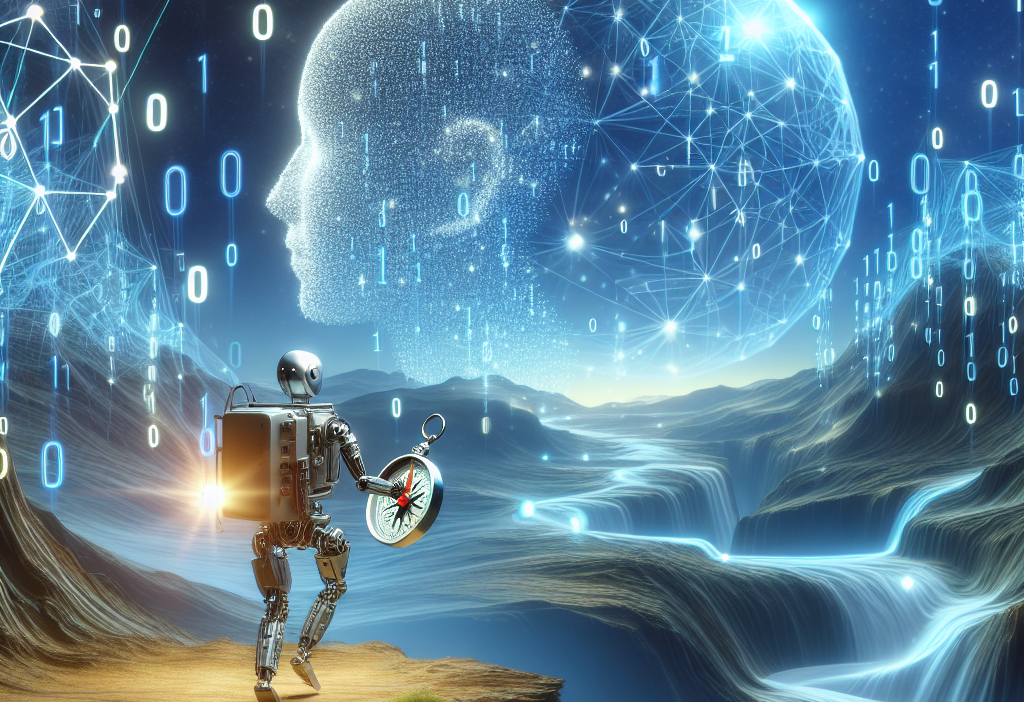
Navigating the Digital Frontier: The Future of Intellectual Property in the Age of AI
In an era defined by rapid technological advancements, the landscape of intellectual property (IP) is undergoing transformation at an unprecedented pace. With artificial intelligence (AI) technology advancing into nearly every sector—from art and literature to software development and beyond—how we navigate the complex terrain of IP is more critical than ever.
This article delves into Navigating the Digital Frontier: The Future of Intellectual Property in the Age of AI, providing you with essential insights to understand the implications of AI on IP rights, challenges in enforcement, evolving legal frameworks, and strategies for safeguarding your creations in this brave new world.
Introduction: Embracing Change in the AI Era
As we increasingly depend on AI to foster creativity, innovation, and efficiency, comprehending its impact on intellectual property cannot be overlooked. From AI-generated music to machine-generated artwork, the question of who owns the rights to these creations looms large.
In this article, we will explore:
- The evolving definitions of creativity and authorship in the AI context
- Key challenges in IP protection and enforcement
- Future legal frameworks and policies affecting IP in the age of AI
- Strategies for individuals and businesses to safeguard their intellectual property
By the end, you’ll feel empowered to navigate the complexities of intellectual property in this digital frontier.
The Evolving Definitions of Creativity and Authorship
AI is not just a tool; it is now a creator. This shift prompts us to redefine creativity and authorship. Traditional notions of IP were very much rooted in human creativity, attributing authorship to individuals. However, as AI can generate original works, we must ask:
Who Holds the Rights?
Human Creators vs. AI Systems: The traditional model assigns ownership to the human creator. But if an AI creates a piece of art, a song, or software, who is the rightful owner of that intellectual property?
- Case Study: In 2018, an AI generated a portrait called "Edmond de Belamy," which was auctioned for $432,500. This raises questions about rights and ownership.
- Collaborative Creations: More often than not, products emerge from collaborations between humans and AI. This blurs lines and complicates ownership rights.
Chart: Creative Ownership in the Age of AI
| Type of Creation | Ownership Structure | Notes |
|---|---|---|
| Human-created work | Human Author | Traditional model applies. |
| AI-generated work | Unclear | No legal framework established yet. |
| Collaborative work | Human & AI | Shared contributions lead to shared rights. |
Key Challenges in IP Protection and Enforcement
Navigating the digital frontier requires awareness of the challenges we face in protecting intellectual property in the age of AI.
1. The Spectrum of AI Capabilities
AI systems can rapidly generate and replicate ideas, making it difficult to delineate between original creations and derived works. This poses great risks to the commercial viability of creations, as intellectual property theft becomes more seamless.
2. Enforcement Struggles
Intellectual property infringement cases are traditionally pursued by human rights holders against identifiable infringers. However, AI complicates this process:
- Infringers can easily modify AI-generated outputs, making it challenging to prove ownership.
- AI-generated content may proliferate on platforms where IP enforcement can be cumbersome.
3. International Disparities in IP Laws
Internationally, IP laws vary widely:
- Some countries may recognize AI-generated works, while others do not.
- Navigating this disparate legal landscape is a growing challenge for creators and companies operating globally. 🌍
Future Legal Frameworks Affecting IP
The shift towards recognizing AI’s role in creative processes will necessitate new legal frameworks. Here’s how this evolution may unfold:
1. Rethinking Copyright Laws
- Proposals for AI: Legal scholars suggest legislation that recognizes AI as an entity that can create intellectual property.
- Authors and AI: New categories of authorship may emerge, allowing joint ownership rights between humans and AI systems.
2. Legislative Developments
- Countries including the US, UK, and members of the EU are exploring amendments to current IP laws.
3. User-Generated Content Regulations
As platforms like YouTube and Instagram grow, user-generated content legislation will need to address rights on AI-generated content and how these platforms manage claims of ownership.
Strategies for Safeguarding Intellectual Property
Given these challenges and evolving landscapes, here are actionable takeaways for individuals and businesses to effectively safeguard their intellectual property:
1. Leverage Technology
Utilize technology to monitor and protect your IP:
- IP Monitoring Tools: Services like Copyscape and DMCA can help scan online platforms for potential infringing content.
- Blockchain for IP: Leveraging blockchain technology can provide timestamped proof of creation and ownership.
2. Comprehensive IP Strategy
Develop a strategy that incorporates:
- Patents: For unique processes or inventions.
- Copyrights: For creative works, including music, literature, and art.
- Trademarks: To protect brand identity.
3. Educate and Engage
Regularly update yourself and your team on changes in IP laws pertaining to AI:
- Attend workshops, seminars, or webinars focusing on IP rights in the context of AI.
- Join professional networks and forums in the IP space to remain current on legal developments and best practices.
4. Seek Legal Counsel
Consult IP attorneys who specialize in AI-related intellectual property for tailored guidance to your unique situation.
Conclusion: Navigating an Uncharted Territory
In conclusion, Navigating the Digital Frontier: The Future of Intellectual Property in the Age of AI requires vigilance, adaptability, and continuous learning. We stand at a pivotal moment where creativity converges with technology, and the implications for IP are profound.
To empower yourself, embrace the evolving nature of creativity; proactively engage in protecting your IP rights with the strategies outlined here; and seek to understand the laws that govern this new reality.
Armed with knowledge and proactive measures, you can effectively protect your work and pave the way for innovation and creativity.
FAQs about Intellectual Property in the Age of AI
What is the main concern regarding AI and intellectual property?
- The main concern is the ambiguity surrounding ownership and rights to AI-generated content.
Can AI systems hold copyright?
- As of now, most jurisdictions do not recognize AI systems as copyright holders. Human authorship is typically required.
What legal changes are anticipated in the future?
- Amendments to existing IP laws may recognize AI as a contributor, allowing for shared ownership structures.
How can businesses protect their intellectual property when using AI?
- Implement an IP strategy, utilize monitoring tools, and seek legal counsel to ensure rights are safeguarded.
- What role can blockchain play in IP protection?
- Blockchain can provide verifiable and tamper-proof records of creation, which can assist in proving ownership and rights claims.
By patiently analyzing these factors and adopting best practices, anyone can successfully navigate this complex, digital frontier as we advance further into the AI age. 💡
This article has traversed essential points surrounding the intermingling of Navigating the Digital Frontier: The Future of Intellectual Property in the Age of AI, offering insights that blend authority with readability. Make sure to share, comment, or reach out for any further inquiries or discussions on this evolving topic!