

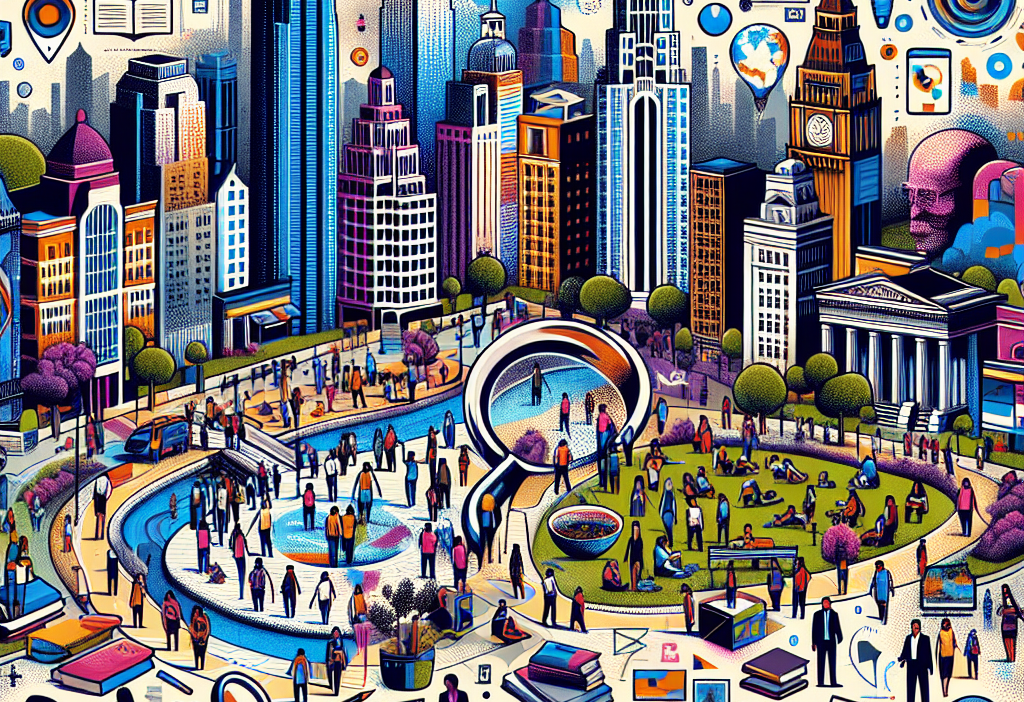
Navigating Concrete Jungles: The Essential Role of Urban Anthropology in Understanding Modern Cities
Introduction
In the heart of every bustling city lies a complex tapestry of human behavior, societal structures, and environmental adjustments that influence the rhythm of daily life. Cities, often described as "concrete jungles," are more than just collections of buildings and roads; they are vibrant ecosystems in which culture, economy, and social interaction intertwine. 🌆 In this article, we will explore the myriad dimensions of urban anthropology and its crucial role in navigating these concrete jungles to better understand modern cities.
Urban anthropology provides vital insights into the lives of urban inhabitants, revealing how they adapt, thrive, and sometimes struggle amidst the urban landscape’s challenges. This field of study is essential for city planners, sociologists, and anyone interested in community development. Our journey through the layers of urban life will cover significant theoretical frameworks, methodologies, and real-world applications of urban anthropology. Let’s delve deeper!
Understanding Urban Anthropology
What is Urban Anthropology?
Urban anthropology is a subfield of anthropology focused on the sociocultural dynamics of urban environments. It examines how individuals and groups navigate the complexities of city life and refer to both the physical structures (such as housing, transportation, and public spaces) and the social fabric (including culture, community, and identity). This field’s goal is to provide a comprehensive understanding of urban life and the diverse experiences of its inhabitants.
Key Areas of Focus
- Cultural Practices: Urban anthropologists investigate how culture manifests in urban settings, revealing how traditions adapt or change in response to the city environment.
- Social Structures: The relations among individuals and groups, including hierarchies, networks, and communities, are central to understanding urban life.
- Economic Systems: Anthropologists analyze how economic activities—both formal and informal—shape urban landscapes and influence people’s lives.
- Political Dynamics: The role of governance, policy, and activism within urban settings is explored to understand how power dynamics affect community life.
The Relevance of Urban Anthropology Today
With over half of the world’s population now residing in urban areas, the relevance of urban anthropology has skyrocketed. Urban environments are constantly evolving due to globalization, increased migration, and technological advancement. Understanding these shifts ensures that city planners, policymakers, and community organizers can create sustainable and equitable urban spaces.
Theoretical Frameworks in Urban Anthropology
Social Constructivism
Social constructivism posits that social phenomena and knowledge are constructed through interaction and consensus. In urban anthropology, this perspective helps examine how urban spaces are perceived and utilized differently by various social groups.
- Example: The transformation of public spaces, such as parks or plazas, often reflects the community’s values and needs, shaped by collective experiences.
Structuralism
Structuralism focuses on identifying the underlying structures that shape societies. It emphasizes the relationships and systems that create urban identity, such as class, race, and economic status.
- Example: The division of urban areas into wealthy and impoverished neighborhoods often underscores systemic inequalities rooted in historical and structural factors.
Postmodernism
Postmodernism critiques the grand narratives often associated with urban development and calls attention to the fragmented, diverse, and often contradictory nature of urban life.
- Example: Disparate urban experiences in a single city—markedly different lifestyles in neighboring districts—reflect the complexities of contemporary urban living.
Methodologies in Urban Anthropology
Ethnographic Research
Ethnographic research is central to urban anthropology as it involves immersive observation and participation. This methodology enables anthropologists to gather nuanced insights into daily life.
- Fieldwork: Spending extended periods in urban areas allows anthropologists to build relationships with community members and observe their interactions.
Surveys and Interviews
Surveys and interviews can quantitatively complement qualitative ethnographic data. They help anthropologists collect broader trends and diverse perspectives on city life.
- Example: Surveys aimed at understanding public perceptions of safety in urban areas can reveal how different demographics experience the same space.
GIS and Spatial Analysis
Geographic Information Systems (GIS) technology allows urban anthropologists to visualize spatial data effectively. It helps map out urban phenomena and identify spatial relationships.
- Example: Mapping areas of high crime incidence against socio-economic data reveals the interplay between urban design, community resources, and safety.
Key Findings from Urban Anthropology
Urbanization and Identity
Urban anthropology highlights how urbanization impacts identity formation. The convergence of various cultures in cities facilitates the creation of new hybrid identities while simultaneously challenging traditional cultural norms.
- Example: The multicultural makeup of cities like New York and London leads to vibrant neighborhoods where different cultural influences can thrive, offering a rich tapestry of experiences.
Adaptation to Urban Challenges
Cities often pose unique challenges, such as poverty, crime, and housing shortages. Urban anthropologists study how communities adapt to these challenges, focusing on resilience and innovation.
- Example: Grassroots organizations may emerge in communities to address local issues, demonstrating how social networks support adaptation in the face of adversity.
Case Study: Gentrification and Community Displacement
Understanding Gentrification through Urban Anthropology
Gentrification is a complex and often controversial phenomenon characterized by the influx of wealthier residents into historically marginalized areas, resulting in rising property values and living costs. Urban anthropologists play a critical role in understanding the multifaceted impacts of gentrification.
The Process of Gentrification
Initial Influx: As urban renewal projects begin, artists and creative class individuals typically move into lower-income neighborhoods attracted by affordable rents and urban aesthetics.
Economic Transition: Rising demand for local services drives up property prices, which can displace long-standing residents who can no longer afford to live there.
- Cultural Transformation: The influx of new residents often leads to shifts in cultural norms, impacting everything from local businesses to community events.
Impacts on Communities
Displacement: Long-term residents may be forced to relocate, resulting in a loss of community ties and local cultural heritage.
- Cultural Erosion: The prevalence of new coffee shops and boutiques can overshadow long-standing community businesses, leading to cultural homogenization.
Anthropological Insights
Through ethnographic studies, urban anthropologists document the experiences of displaced residents, providing a voice to those directly impacted by gentrification. Their advocacy efforts often inform policies aimed at protecting vulnerable communities.
Navigating Urban Spaces: Practical Applications of Urban Anthropology
City Planning and Management
Urban anthropologists provide valuable insights for city planners, informing the design of public spaces, housing policies, and urban infrastructures rooted in community needs.
- Community Involvement: Engaging community members in the urban planning process ensures that diverse perspectives are considered, leading to more inclusive and equitable outcomes.
Policies for Sustainability
Urban anthropology informs sustainable practices that address social and environmental gaps, promoting resilience in urban settings.
- Examples:
- Garbage recycling initiatives driven by community input.
- Public transportation systems designed to accommodate diverse populations.
Fostering Social Cohesion
Understanding the social dynamics of urban areas enables the creation of initiatives that foster community engagement.
- Community Events: Festivals, cultural celebrations, and local markets can reinforce community bonds and create opportunities for social interaction.
Conclusion
Urban anthropology serves as a vital tool in navigating the complexities of modern cities, offering essential insights into the human experience in urban settings. By understanding the dynamics of urban spaces, we can foster inclusive, sustainable, and resilient communities.
As urban inhabitants, we each have a role to play in shaping our concrete jungles. Engage with your community, advocate for equitable policies, and participate in the urban narrative. Together, we can transform our cities into thriving ecosystems that honor diversity and promote well-being. 🌍
FAQs
1. What is the main focus of urban anthropology?
Urban anthropology primarily investigates the social, cultural, and economic dynamics within urban environments, exploring how individuals and communities navigate city life.
2. How does urban anthropology differ from traditional anthropology?
While traditional anthropology often focuses on rural or isolated communities, urban anthropology specifically examines the complexities of urban settings and the interactions within them.
3. Can urban anthropology inform city planning?
Yes! Urban anthropologists provide insights into community needs and dynamics, guiding urban planning to create more inclusive and sustainable urban environments.
4. What role does ethnography play in urban anthropology?
Ethnography is a key method in urban anthropology, enabling researchers to gather in-depth, contextual insights into urban life through immersive observation and participation.
5. How can individuals contribute to shaping urban spaces?
Individuals can engage in local governance, participate in community organizations, and advocate for policies that prioritize equity and sustainability in their urban environments.
By understanding the role of urban anthropology in navigating concrete jungles, we can foster vibrant communities that reflect and respect the diversity of urban experiences. Let’s work together to create cities that not only thrive but also celebrate inclusivity and resilience. 🌟
