Navigating Classroom Dynamics: Essential Communication Techniques for All Learners
Introduction
In the dynamic world of education, effective communication acts as the cornerstone upon which successful classroom interactions are built. Navigating Classroom Dynamics: Effective Communication Techniques for All Learners is not just a mantra; it’s a necessity for educators striving to create an inclusive and effective learning environment.
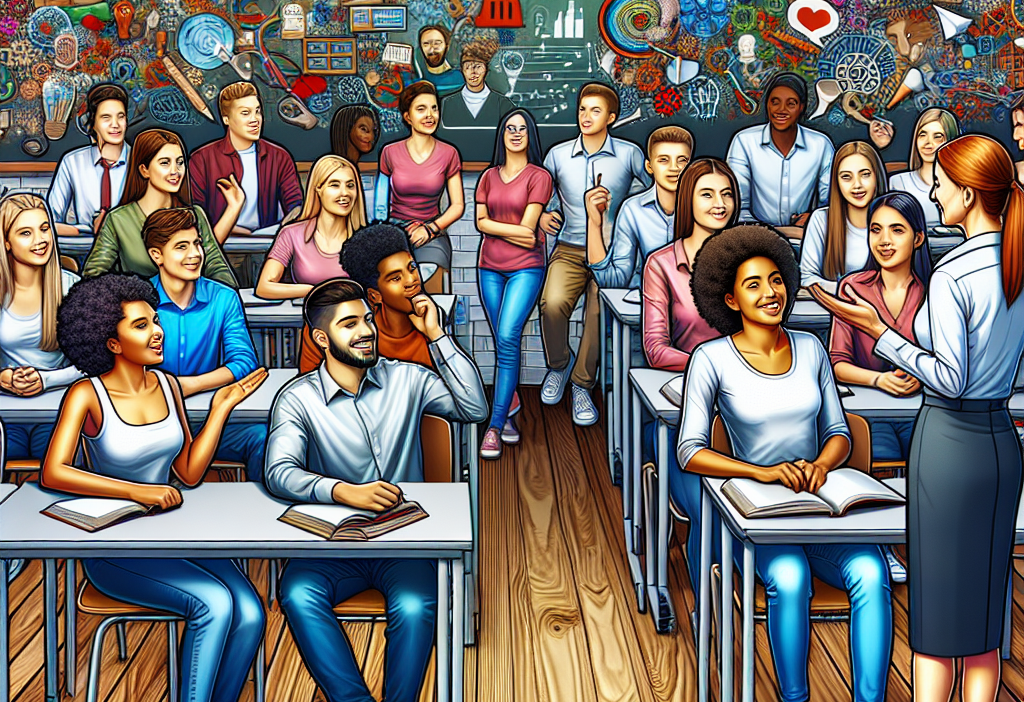
The classroom can often resemble a microcosm of society, filled with diverse personalities, learning styles, and backgrounds. This diversity can either enhance the learning experience or create obstacles that hinder communication and collaboration. As educators, it’s our responsibility to ensure that all learners feel heard, valued, and empowered to engage fully in their education.
In this comprehensive article, we’ll explore essential communication techniques that cater to the unique needs of all learners. From building rapport to implementing active listening strategies, you’ll gain actionable insights and strategies to enhance your classroom communication dynamics. Let’s embark on this journey together and unlock the secrets to effective communication for a positive classroom environment!
Understanding Classroom Dynamics
Navigating classroom dynamics begins with recognizing the various elements that compose the classroom environment. Understanding these dynamics is paramount for effective communication.
1. Diversity in Learning Styles
Learners come with different backgrounds, cognitive styles, and emotional needs. Adapting communication tactics to accommodate varied learning styles—visual, auditory, and kinesthetic—can transform classroom interactions.
- Visual Learners: Use diagrams, mind maps, and infographics.
- Auditory Learners: Incorporate discussions and read-aloud sessions.
- Kinesthetic Learners: Engage them through hands-on activities.
By recognizing the learning preferences of your students, you can tailor your communication techniques to engage them more effectively.
2. Emotional Intelligence
Effective communication in the classroom also hinges on emotional intelligence (EI). High EI enables teachers to perceive and manage their own emotions as well as those of their students.
- Empathy: Understanding students’ feelings can help tailor communication strategies.
- Self-Regulation: Managing your own emotional responses sets a positive tone for student interactions.
3. Establishing Classroom Norms
Setting clear communication norms is vital. Establishing ground rules can foster respect and openness among students, creating a safe space for dialogue.
- Encourage Speaking Up: Let students know their opinions matter.
- Promote Active Listening: Teach students how to listen to others thoughtfully.
Effective Communication Techniques
Now that we have unpacked classroom dynamics, let’s delve into specific techniques that can enhance communication for all learners.
1. Building Rapport
Establishing a strong rapport with students can significantly improve communication. Here are some strategies to strengthen this connection:
- Personalization: Use students’ names and share relevant anecdotes to create a personal connection.
- Positive Reinforcement: Acknowledge students’ efforts and achievements.
- Approachable Demeanor: Maintain an open body language and a warm tone to invite interaction.
Example:
A teacher might start each class by sharing a funny anecdote related to the lesson, inviting students to do the same to create a relaxed atmosphere.
2. Active Listening
Active listening involves fully engaging with the speaker, not merely waiting for your turn to speak. Here’s how to practice it:
- Maintain Eye Contact: Show students you are focused on them.
- Reflect and Clarify: Paraphrase what the student says to confirm understanding.
- Avoid Interrupting: Allow them to express their thoughts completely before responding.
Visual Tip:
Here’s a quick infographic showing the active listening process:
- Listen
- Reflect
- Respond
3. Non-Verbal Communication
Body language, facial expressions, and gestures play significant roles in how messages are received in the classroom.
- Facial Expressions: Use smiles and frowns to convey warmth or disapproval.
- Gestures: Use hand movements to illustrate points and maintain engagement.
- Posture: Open posture can invite conversation, while closed posture can signal disengagement.
4. Use of Technology
Leveraging technology can transcend traditional communication barriers. Here are some tools to consider:
- Interactive Platforms: Use tools like Google Classroom or Padlet for collaborative projects.
- Communication Apps: Apps like Remind can facilitate parent-teacher-student communication.
Chart Illustration:
Below is a chart summarizing technology tools for enhancing classroom communication:
| Tool Name | Purpose | Benefit |
|---|---|---|
| Google Classroom | Assignment Management | Streamlined communication |
| Padlet | Collaborative Sharing | Encourages joint contributions |
| Remind | Messaging with Parents | Keeps parents informed in real-time |
5. Differentiated Communication
Different tactics may be required to reach different learners, including those with special needs.
- Visual Supports: Use graphics to enhance understanding for students with learning disabilities.
- Simple Language: Utilize clear and concise language for ELL (English Language Learner) students.
- Check for Understanding: Regularly ask questions to gauge student comprehension.
6. Feedback Techniques
Effective feedback is crucial for student development. Here’s how to provide constructive feedback:
- Be Specific: Reference particular skills or concepts.
- Encourage Self-Reflection: Ask students how they feel about their work.
- Balance Positive and Constructive: Use the "sandwich" approach—positive, constructive, positive.
Conclusion
Mastering the art of communication is fundamental for anyone navigating classroom dynamics. The techniques discussed in this article provide a solid foundation for fostering an inclusive and engaging learning environment. By building rapport, employing active listening, utilizing non-verbal cues, and leveraging technology, educators can significantly enhance their communication strategies.
Remember, the goal is not just to convey information but to connect meaningfully with all learners. As we strive to make our classrooms havens of learning, let’s commit to improving our communication techniques consistently.
Let’s empower our students to become active participants in their education, with communication serving as the bridge to their success. 🌟
FAQs
1. Why is effective communication important in the classroom?
Effective communication fosters a positive learning atmosphere, encourages student engagement, and enhances understanding of the material.
2. How can I ensure all students participate in discussions?
Use structured discussion formats like small groups or think-pair-share to encourage participation from all students, including those who may be shy.
3. What role does body language play in communication?
Body language conveys emotions and attitudes that verbal communication may not capture. Positive body language can enhance connection and trust.
4. How do I address communication barriers with diverse learners?
Adapting communication styles based on individual needs, including utilizing visual aids and clear language, can help bridge gaps in understanding.
5. How can technology support classroom communication?
Technology can facilitate collaborative learning and real-time communication, helping to connect students, teachers, and parents effectively.
By implementing these essential communication techniques, you can create a dynamic, inclusive classroom where every learner thrives. Start today, and see the difference effective communication will make!