Introduction
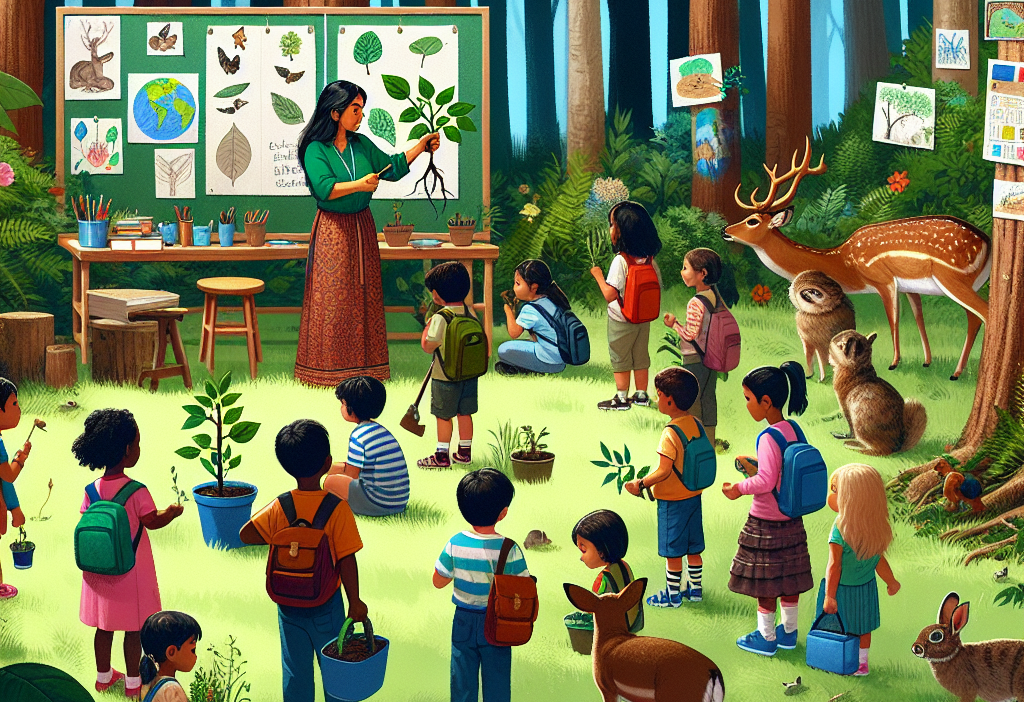
In today’s rapidly changing world, instilling a sense of environmental responsibility in young minds is not just beneficial; it’s essential. 🌍 Unfortunately, conventional classroom settings often fall short of offering students hands-on experiences that cultivate environmental awareness. This is where the concept of "Nature’s Classroom" comes into play. By taking learning beyond the four walls and immersing students in nature, we can create innovative strategies that enhance their understanding of the environment and their role in protecting it.
In this comprehensive guide, we will explore a variety of innovative strategies for teaching environmental awareness. From integrating experiential learning with outdoor education to leveraging technology for virtual field trips, you’ll find actionable takeaways to stimulate environmental consciousness amongst students. Whether you’re an educator, parent, or community organizer, this article aims to empower you with engaging methods that can transform the way we teach about nature and sustainability.
The Importance of Environmental Awareness
Before diving into specific strategies, it’s crucial to underscore why environmental awareness is vital:
Understanding Ecosystems: Students equipped with environmental knowledge understand biodiversity, ecosystems, and human impacts on nature.
Encouraging Sustainable Practices: Environmental literacy fosters sustainable behaviors, helping to combat issues like climate change and pollution.
Promoting Critical Thinking: Interacting with real-world environmental issues encourages students to think critically and develop problem-solving skills.
- Empowering Future Leaders: By engaging in environmental education, today’s students become informed citizens who can advocate for policies that protect the planet.
In this light, let’s look at innovative strategies for teaching environmental awareness that can redefine traditional learning methodologies.
Hands-On Learning: Nature-Based Projects
1. Community Gardening Initiatives
Description: Gardening in community spaces can initiate conversations about food sustainability, local ecosystems, and biodiversity.
Implementation Steps:
- Select a location: Identify a community or school plot suitable for gardening.
- Engage students: Involve them in planning the garden layout, choosing plants, and maintaining the garden.
- Curriculum integration: Link gardening projects with science lessons on plant biology, environmental cycles, and nutrition.
Benefits
- Enhances teamwork and responsibility.
- Connects students with local ecosystems.
- Instills pride in contributing to the community.
Visual Aid: Here’s a simple infographic that outlines the benefits of community gardening.
Insert Infographic Here
2. Nature Walks and Field Studies
Description: Organizing regular nature walks allows students to engage with local flora and fauna, fostering a deeper appreciation for their environment.
Implementation Steps:
- Identify local natural habitats: Parks, wetlands, or forests can serve as effective learning environments.
- Prepare observation sheets: Encourage students to document their findings, making it easier to discuss later.
- Facilitate guided discussions: Use the walk to talk about ecosystems, conservation, and the role of organisms in their habitat.
Benefits
- Encourages critical observation skills.
- Connects theoretical concepts with real-world applications.
- Stimulates an emotional connection to nature.
Visual Aid: A chart illustrating the benefits of spending time in nature.
Insert Chart Here
Incorporating Technology
3. Virtual Field Trips
Description: Leverage technology for virtual field trips to places that may not be easily accessible, such as national parks, marine reserves, or even the Amazon rainforest.
Implementation Steps:
- Identify resources: Use platforms offering virtual tours or partner with organizations.
- Pre-trip preparation: Discuss possible questions and topics that students should focus on.
- Post-trip activities: Engage students in discussions or creative projects based on their virtual experiences.
Benefits
- Expands exposure to diverse ecosystems and environmental challenges.
- Overcomes geographic limitations.
- Helps integrate technology in learning.
Visual Aid: A table comparing physical versus virtual field trips.
Insert Table Here
4. Interactive Learning Tools
Description: Utilize apps and online platforms that focus on environmental education, such as interactive quizzes, games, and simulations.
Implementation Steps:
- Identify suitable apps: Research and select educational tools aimed at teaching sustainability.
- Integrate into lessons: Use these tools during class to facilitate engagement.
- Encourage independent exploration: Assign students to explore these tools at home.
Benefits
- Adapts to various learning styles.
- Makes learning fun and engaging.
- Provides instant feedback for students.
Connecting Curriculum with Environmental Education
5. Thematic Units
Description: Frame your lessons around environmental themes, allowing for an interdisciplinary approach to learning.
Implementation Steps:
- Choose a theme: Examples include water conservation, renewable energy, or wildlife preservation.
- Integrate subjects: Connect science, math, literature, and art through the thematic lens.
- Showcase results: Have students present a project that demonstrates their understanding of the theme.
Benefits
- Facilitates holistic and interconnected learning experiences.
- Encourages creativity and critical thinking.
- Enhances student engagement by connecting lessons to real-world issues.
Collaborating with Local Organizations
6. Partnership with Environmental NGOs
Description: Collaborate with local nonprofits focused on environmental conservation, allowing students hands-on opportunities for activism.
Implementation Steps:
- Identify potential partners: Research organizations that align with educational goals.
- Plan joint initiatives: Develop projects like clean-up days, tree planting, or awareness campaigns.
- Involve students in planning: Empower students to take the lead in these initiatives.
Benefits
- Offers real-world applications of their learning.
- Promotes community involvement.
- Enhances network building for students.
Utilizing Art and Creativity
7. Eco-Art Projects
Description: Use art as a medium to convey environmental messages. Projects can include recycled art, murals addressing sustainability, or performances.
Implementation Steps:
- Gather materials: Encourage students to bring in recyclable items.
- Provide inspiration: Showcase famous eco-artists to offer students ideas.
- Exhibit works: Organize a showcase where students present their art to the school/community.
Benefits
- Provides an outlet for creativity and expression.
- Raises awareness through visual storytelling.
- Encourages recycling and resourcefulness.
Measuring Impact: Student Reflections and Community Surveys
8. Feedback and Evaluation
Description: Evaluate the effectiveness of your environmental education strategies through surveys, reflections, and presentations.
Implementation Steps:
- Create surveys: Gather student feedback on their experiences and learning.
- Encourage presentations: Allow students to share what they’ve learned.
- Analyze data: Review outcomes to improve future initiatives.
Benefits
- Enhances learning by fostering reflection.
- Encourages students to think critically about their impact.
- Guides future curriculum adjustments.
Conclusion
The educational landscape is evolving, and it’s imperative that we adapt to meet the pressing needs of our environment. Nature’s Classroom: Innovative Strategies for Teaching Environmental Awareness offers a myriad of opportunities for educators to break the mold of traditional learning. By incorporating hands-on projects, technology, community partnerships, and creativity, we can inspire the next generation to become not just learners, but stewards of our planet.
As you explore these strategies, remember that engagement is key! Empower your students to take action, voice their opinions, and become proactive contributors to environmental conservation. By doing so, we equip them with the tools they need to carry forward the responsibility of safeguarding our planet for future generations.
FAQs Section
1. What age group is suitable for Nature’s Classroom activities?
- Nature’s Classroom activities can be tailored for all age groups. Younger students might focus on basic nature observations, while older students can engage in complex projects like ecosystem studies.
2. How can I start a community garden at my school?
- Begin by gathering support from your school community, seek funding or donations, and involve students in planning and planting to ensure ownership.
3. Are virtual field trips effective in teaching environmental awareness?
- Yes! Virtual field trips can provide exposure to unique environments and issues that may be logistically inaccessible, enhancing the learning experience.
4. How do I assess the impact of environmental education strategies?
- Utilize student feedback through surveys and reflections on their experiences, as well as track behavioral changes regarding sustainability practices within the school community.
5. Can these activities be integrated with existing curricula?
- Absolutely! Many of these strategies can be seamlessly integrated into science, math, and art curricula, providing a holistic approach to learning.
By implementing these innovative strategies for teaching environmental awareness in Nature’s Classroom, we can ignite a passion for the environment in students, nurturing them into responsible, informed citizens ready to lead the change toward a sustainable future. 🌱