Introduction
In an increasingly interconnected world, the concepts of multiculturalism and political identity are more relevant than ever. As societies evolve, the traditional notions of identity and governance are being challenged, leading to a profound transformation in democratic practices. This article explores Multiculturalism and Political Identity: A New Paradigm for Democracy, delving into how these elements can reshape our understanding of citizenship, governance, and community engagement.
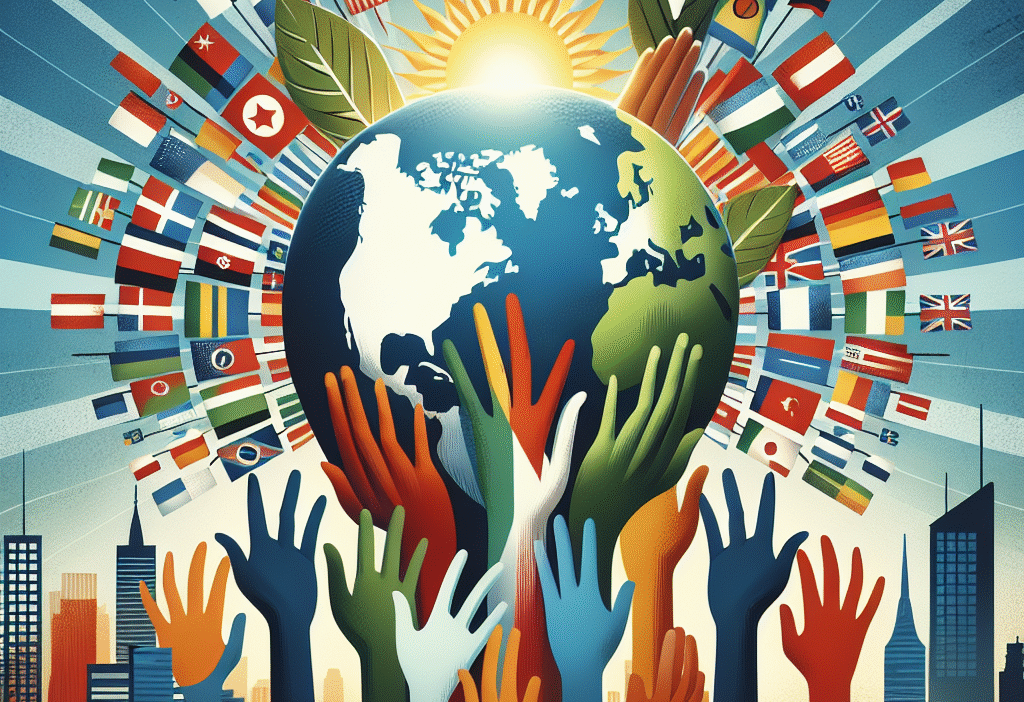
Imagine a society where diverse voices are not just heard but celebrated, where political identity is shaped by a rich tapestry of cultures rather than a singular narrative. This vision is not just aspirational; it is essential for the future of democracy. In this comprehensive guide, we will examine the interplay between multiculturalism and political identity, the challenges and opportunities they present, and actionable insights for fostering a more inclusive democratic framework.
Understanding Multiculturalism
What is Multiculturalism?
Multiculturalism refers to the coexistence of diverse cultures within a society, where cultural differences are acknowledged and respected. It promotes the idea that cultural diversity enriches communities and enhances social cohesion. In a multicultural society, individuals maintain their unique cultural identities while also participating in a shared national identity.
The Importance of Multiculturalism in Modern Democracies
Cultural Enrichment: Multiculturalism fosters creativity and innovation by bringing together diverse perspectives. This cultural exchange can lead to new ideas and solutions to societal challenges.
Social Cohesion: By recognizing and valuing different cultures, societies can build stronger bonds among citizens, reducing tensions and fostering a sense of belonging.
- Political Representation: Multiculturalism encourages political systems to reflect the diversity of their populations, ensuring that all voices are represented in decision-making processes.
Challenges of Multiculturalism
While multiculturalism offers numerous benefits, it also presents challenges:
- Integration vs. Assimilation: Striking a balance between integrating diverse cultures and avoiding forced assimilation can be difficult.
- Prejudice and Discrimination: Societal biases can lead to discrimination against minority groups, undermining the principles of equality and justice.
- Political Polarization: In some cases, multiculturalism can exacerbate divisions, leading to political polarization and conflict.
Political Identity in a Multicultural Context
Defining Political Identity
Political identity refers to how individuals and groups perceive themselves within the political landscape. It encompasses factors such as ethnicity, nationality, religion, and ideology. In a multicultural society, political identity becomes more complex as individuals navigate multiple cultural affiliations.
The Role of Political Identity in Democracy
Empowerment: A strong political identity can empower marginalized groups, enabling them to advocate for their rights and interests.
Civic Engagement: Individuals with a clear political identity are more likely to participate in civic activities, such as voting and community organizing.
- Policy Influence: Diverse political identities can shape public policy, ensuring that a wide range of perspectives is considered in governance.
The Intersection of Multiculturalism and Political Identity
The relationship between multiculturalism and political identity is intricate. Multiculturalism can enrich political identity by providing individuals with a broader framework for understanding their place in society. Conversely, political identity can influence how multiculturalism is perceived and implemented within a democratic context.
A New Paradigm for Democracy
Rethinking Democratic Practices
The traditional model of democracy often emphasizes a singular national identity, which can marginalize minority voices. A new paradigm for democracy must embrace multiculturalism and recognize the value of diverse political identities. This shift can lead to more inclusive governance and a stronger democratic framework.
Key Components of the New Paradigm
Inclusive Representation: Political systems should actively seek to include diverse voices in decision-making processes. This can be achieved through proportional representation, affirmative action, and community engagement initiatives.
Cultural Competency: Policymakers and public servants must develop cultural competency to understand and address the needs of diverse populations effectively.
- Education and Awareness: Promoting multicultural education can foster understanding and respect among citizens, reducing prejudice and discrimination.
Case Studies of Successful Multicultural Democracies
Canada: Canada is often cited as a successful example of multiculturalism in action. Its policies promote diversity and inclusion, allowing various cultural communities to thrive while contributing to a shared national identity.
- South Africa: Post-apartheid South Africa has made significant strides in embracing multiculturalism. The government’s commitment to recognizing the rights of various ethnic groups has fostered a more inclusive political landscape.
Actionable Insights for Fostering Multiculturalism and Political Identity
1. Promote Community Dialogues
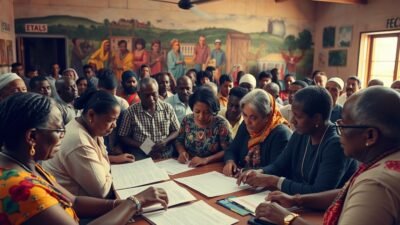
Encouraging open dialogues among diverse communities can help bridge cultural divides. Local governments and organizations can facilitate these conversations to foster understanding and collaboration.
2. Support Multicultural Education
Educational institutions should incorporate multicultural curricula that reflect the diversity of the student body. This approach can help students appreciate different cultures and perspectives from an early age.
3. Advocate for Policy Changes
Citizens can advocate for policies that promote multiculturalism and protect the rights of minority groups. Engaging with local representatives and participating in advocacy campaigns can amplify these efforts.
4. Leverage Technology for Engagement
Social media and digital platforms can be powerful tools for fostering multicultural engagement. Communities can use these platforms to share stories, celebrate cultural events, and mobilize support for inclusive initiatives.
5. Create Safe Spaces for Expression
Establishing safe spaces for individuals to express their cultural identities can enhance community cohesion. These spaces can serve as venues for cultural events, discussions, and artistic expressions.
Conclusion
The interplay between multiculturalism and political identity presents both challenges and opportunities for modern democracies. By embracing a new paradigm that values diversity and inclusion, societies can foster stronger, more resilient democratic frameworks. As we navigate the complexities of our interconnected world, it is essential to recognize that our differences can be a source of strength rather than division.
In conclusion, let us strive to create a future where multiculturalism and political identity are celebrated, empowering all citizens to participate fully in the democratic process. Together, we can build a more inclusive and equitable society for generations to come.
FAQs
1. What is multiculturalism?
Multiculturalism is the coexistence of diverse cultures within a society, where cultural differences are acknowledged and respected.
2. How does political identity influence democracy?
Political identity shapes how individuals perceive their role in governance and can empower marginalized groups to advocate for their rights.
3. What are the benefits of multiculturalism in democracy?
Multiculturalism enriches societies by fostering creativity, enhancing social cohesion, and ensuring diverse political representation.
4. What challenges does multiculturalism face?
Challenges include integration vs. assimilation, prejudice and discrimination, and political polarization.
5. How can communities promote multiculturalism?
Communities can promote multiculturalism through open dialogues, multicultural education, policy advocacy, and creating safe spaces for cultural expression.
By understanding the dynamics of Multiculturalism and Political Identity: A New Paradigm for Democracy, we can work towards a more inclusive and equitable future. Embrace diversity, engage in dialogue, and advocate for change—together, we can make a difference! 😊