Introduction
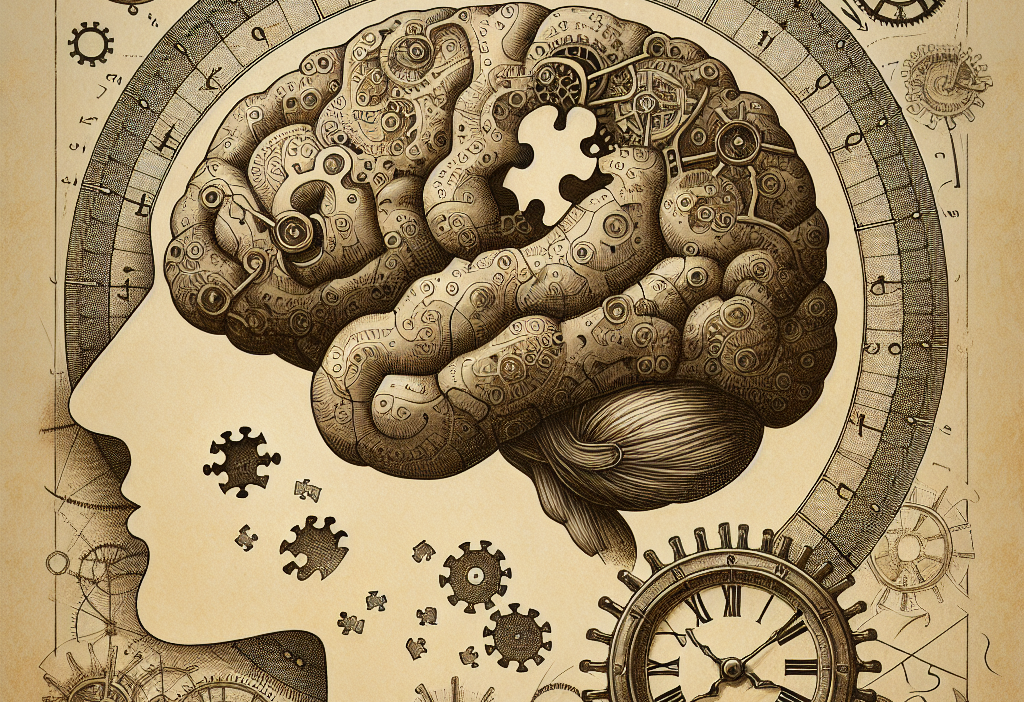
Imagine waking up one day and realizing that pieces of your life have vanished—memories of cherished moments, faces of loved ones, and even significant events that molded who you are. This unsettling scenario is the reality for individuals suffering from retrograde amnesia. In this comprehensive article, “Lost Memories: A Deep Dive into Retrograde Amnesia and How It Affects Lives,” we will explore the intricacies of retrograde amnesia, its causes, effects, and the psychological impact on those affected.
By diving into this fascinating yet often misunderstood topic, we aim to equip you with a deeper understanding of how lost memories can influence not just the individuals who experience them but also their families, friends, and society.
Understanding Retrograde Amnesia
What is Retrograde Amnesia?
Retrograde amnesia is a specific type of amnesia that affects a person’s ability to recall memories that were formed before a traumatic event, illness, or injury. Unlike anterograde amnesia, where individuals struggle to form new memories, retrograde amnesia primarily involves lost memories from the past.
Key Characteristics of Retrograde Amnesia:
- Memory Loss: The individual loses memories, which can range from specific incidents to entire life periods.
- Preservation of Skills: Often, procedural memories (how to perform tasks) remain intact.
- Emotional Context: The emotional significance of lost memories can still be felt, even if the memories themselves are not accessible.
Understanding these characteristics lays the groundwork for how this condition affects daily life and relationships.
Causes of Retrograde Amnesia
Several factors contribute to retrograde amnesia, and these can be categorized into several groups:
Traumatic Brain Injury (TBI): Accidents, falls, or blows to the head can disrupt the brain’s ability to form, store, or retrieve memories.
Neurological Conditions: Disorders like Alzheimer’s disease, seizures, and strokes can lead to memory loss.
Psychological Factors: Traumatic experiences may trigger dissociative amnesia, where memories are blocked as a defense mechanism against emotional pain.
- Substance Abuse: Intoxication or withdrawal from alcohol and drugs can impair cognitive functions and memory.
Here’s a table summarizing the primary causes, along with examples:
| Cause | Description |
|---|---|
| Traumatic Brain Injury | Physical injury leading to disruption in memory recall |
| Neurological Conditions | Illnesses impacting brain health, such as seizures |
| Psychological Factors | Psychological trauma leading to dissociated memories |
| Substance Abuse | Memory impairment due to intoxication or withdrawal |
Types of Retrograde Amnesia
Retrograde amnesia can be classified into several subtypes based on memory loss patterns:
Localized Amnesia: Loss of memories related to a specific event or period.
Generalized Amnesia: Loss of most or all autobiographical memories.
- Systematized Amnesia: Loss of memories related to a specific category of information, such as relationships or particular geographical locations.
Understanding these subtypes can help in diagnosis and treatment.
The Psychological and Emotional Impact
The Struggle with Identity
Lost memories can profoundly impact an individual’s sense of self. Many people derive their identities from their past experiences. For those with retrograde amnesia, the inability to recall significant life events can lead to feelings of confusion, isolation, and diminished self-worth.
Impact on Relationships
Relationships can suffer when one partner loses memories. Families and friends may find it difficult to reconnect, feeling like they are dealing with a stranger. The emotional toll can evoke feelings of grief and loss in loved ones, thereby straining the support system essential for recovery.
Coping Mechanisms and Strategies
Individuals grappling with retrograde amnesia often employ various coping strategies to manage their condition:
- Support Groups: Connecting with others facing similar challenges can create a sense of community.
- Journals: Documenting daily events or emotions can serve as a means of constructing new memories.
- Therapy: Professional treatment can aid in working through emotional struggles and rebuilding identity.
These strategies can be life-changing, especially in regaining a sense of normalcy.
The Role of Neuropsychology
Neuropsychologists play a pivotal role in understanding and treating retrograde amnesia. They utilize specialized assessments to evaluate the extent of memory loss and tailor cognitive rehabilitation programs. Through activities designed to stimulate memory recall, individuals can work through their challenges while fostering hope and resilience.
Treatment Approaches for Retrograde Amnesia
Rehabilitation Techniques
Rehabilitation plays a central role in recovering lost memories. Various therapeutic techniques can help enhance cognitive functions:
Cognitive Behavioral Therapy (CBT): Focuses on changing negative thought patterns related to memory loss.
Memory Stimulation: Engaging activities such as puzzles, storytelling, and reminiscing can stimulate cognitive functions and memory retention.
- Eclectic Approaches: Combining multiple therapies to meet individual needs.
A Typical Rehabilitation Plan Might Include:
- Structured sessions focusing on cognitive exercises
- Group therapy for emotional support
- Family involvement to foster understanding and connection
Technological Interventions
Technological advances have introduced innovative approaches in memory rehabilitation:
- Apps for Memory Recall: Memory aids and apps can assist in re-learning names, faces, and significant life events.
- Virtual Reality (VR): Some therapies employ VR environments to recreate past experiences, potentially helping individuals reconnect with memories.
These technologies offer promising avenues for individuals facing the realities of retrograde amnesia.
Life After Retrograde Amnesia
Adapting to Life Changes
Life after a diagnosis of retrograde amnesia can be a journey of rediscovery. While full recovery may not always be attainable, individuals often find new ways to create meaning in their lives.
- New Experiences: Engaging in new activities can foster a sense of purpose and identity.
- Building New Relationships: Creating new bonds with others can help individuals develop a support network.
The interplay between managing lost memories and savoring new experiences is vital for emotional healing.
Inspiring Stories of Resilience
Many individuals have successfully navigated the challenges of retrograde amnesia. Stories of resilience, such as those who regained partial memories or rebuilt their lives through therapy, serve as inspiration. These experiences reinforce that hope and recovery are possible.
Conclusion
In this deep dive into Lost Memories: A Deep Dive into Retrograde Amnesia and How It Affects Lives, we have explored the multifaceted nature of retrograde amnesia, from its causes and characteristics to its overwhelming psychological and emotional impacts. Hope exists through coping mechanisms, rehabilitation, and the supportive power of community. The journey of navigating lost memories may be challenging, but with perseverance and support, individuals can find new paths to identity and fulfillment.
Takeaway
Should you or someone you know be affected by retrograde amnesia, remember that every small step towards recovery counts. Engage in supportive therapy, lean on your relationships, and remain open to new experiences. The journey of rebuilding can lead to profound personal growth and a renewed sense of self.
FAQs
1. What is the most common cause of retrograde amnesia?
The most common causes include traumatic brain injuries, neurological conditions, and emotional trauma.
2. Can retrograde amnesia be treated?
While complete recovery may not always be attainable, cognitive rehabilitation and therapy can significantly enhance memory functionality.
3. Is it possible to regain lost memories?
Some individuals may regain partial memories over time through various therapeutic techniques, while others may not.
4. How does retrograde amnesia differ from anterograde amnesia?
Retrograde amnesia involves memory loss from prior events, while anterograde amnesia impacts the ability to form new memories.
5. What role do family and friends play in recovery?
Family and friends offer essential emotional support, understanding, and involvement in recovery efforts, significantly aiding the healing process.
This article serves as a thorough guide to understanding retrograde amnesia, its effects, and the enduring hope that exists in recovery. For more information and resources on brain health, visit My JRF.